Have you ever dreamed of collaborating with your favorite brands, receiving complimentary products, and showcasing them on your blog and social media? For aspiring food bloggers, the path to getting free stuff as a beginner food blogger and securing valuable sponsorships might seem like an elusive secret. But fear not! This comprehensive guide will demystify the process, revealing actionable strategies to help you connect with companies and unlock exciting opportunities in the culinary blogging world.
My own blogging journey began just over a year ago with a clear vision: to create a vibrant lifestyle blog that inspires and assists a broad audience with fresh ideas. While achieving a full-time income from my website remains a work in progress, the pursuit of meaningful brand partnerships has been a significant and rewarding part of this adventure. It’s not just about the products; it’s about building relationships, expanding your reach, and adding tangible value to your content.
How to Get Free Stuff as a Beginner Food Blogger: Your Ultimate Guide to Brand Collaborations
The Truth About “Free” Products for Food Bloggers
When diving into the world of brand collaborations, many new food bloggers initially ask: “How can I get FREE stuff for my blog?” It’s an excellent question, as understanding the nuances behind these opportunities is crucial.
While the term “free stuff” sounds incredibly appealing, it’s essential to recognize that these items are rarely, if ever, truly free. When a company sends a food blogger complimentary products, it’s a strategic investment with a singular goal: to expand their product’s reach and visibility to a larger, engaged audience. This exchange creates a mutually beneficial relationship, but it’s important to acknowledge the work involved on your end.
As a food blogger, once you receive a sponsored product, your real work begins. This often includes a substantial time commitment dedicated to developing unique recipes, meticulously styling and shooting the product, editing high-quality photographs, crafting engaging blog posts or social media content, and then actively promoting that content across your various channels. This extensive process highlights the considerable effort and creativity required for these “free” items. Keeping this perspective in mind will help you value your work and approach collaborations as professional partnerships, rather than merely receiving handouts.
Can Beginner Food Bloggers Secure Brand Collaborations Immediately?
A common misconception among new bloggers is the expectation of instant access to sponsored products. The reality is that as a beginner food blogger, or any blogger for that matter, you need to establish a certain level of influence and audience engagement before you’re typically accepted into various brand campaigns. For those just starting, it’s advisable to have at least 15-20 high-quality articles published on your blog and a growing, authentic follower base across your social media platforms before actively seeking out product collaborations through the websites mentioned later in this guide.

This might sound like a harsh reality, but understanding it early on allows you to focus your energy on what truly matters: building a valuable platform. Concentrating on audience growth and content creation in the initial stages will lay a solid foundation for future success in securing exciting brand partnerships, rather than wasting time on premature requests.
Essential Strategies for Securing Sponsored Products
1. Focus on Building Your Blog’s Audience and Traffic
The fundamental truth of influencer marketing is that without a engaged audience, attracting brand collaborations is nearly impossible. This is a straightforward concept: if your blog lacks significant visitors and followers, why would a company invest in sending you their products? Their primary objective is always to reach new customers and expand their market presence. By cultivating a decent amount of page views and a loyal follower base, you position yourself as a valuable asset to potential brand partners.

As an emerging food blogger, you’ll be able to secure complimentary items and sponsored opportunities only if you can demonstrate a measurable impact on your online community. Therefore, dedicate a significant portion of your efforts to strategies that grow your audience:
- Consistent, High-Quality Content: Publish compelling recipes, reviews, and culinary tips regularly. Focus on SEO to ensure your content is discoverable.
- Social Media Engagement: Actively engage with your followers on platforms like Instagram, Pinterest, and TikTok. Use relevant hashtags and create visually appealing content.
- Email List Building: Nurture a community beyond social media with an email newsletter. This provides a direct line of communication with your most loyal followers.
- Niche Definition: Clearly define your food niche. Brands prefer working with bloggers who have a specific, engaged audience that aligns with their target market.
2. Proactively Showcase Products from Your Local Grocery Store
One of the most effective ways to attract brands is to demonstrate your capability through self-initiated product showcases. By purchasing unique or interesting products from your local grocery stores and featuring them prominently in your blog posts and social media content, you create a powerful portfolio. This gives potential collaborators a tangible preview of your content creation style, photography skills, and how effectively you can integrate their products into your culinary narratives.
For instance, I once received a VoxBox containing Pure Blends avocado oil buttery spread through Influenster. Instead of creating a dedicated recipe, I strategically incorporated it into a photo for my Healthy Homemade Strawberry Chia Jam (No Sugar Added) post. Even though that photo was taken with my cell phone before I acquired my Canon t6i, it still successfully demonstrated product integration.
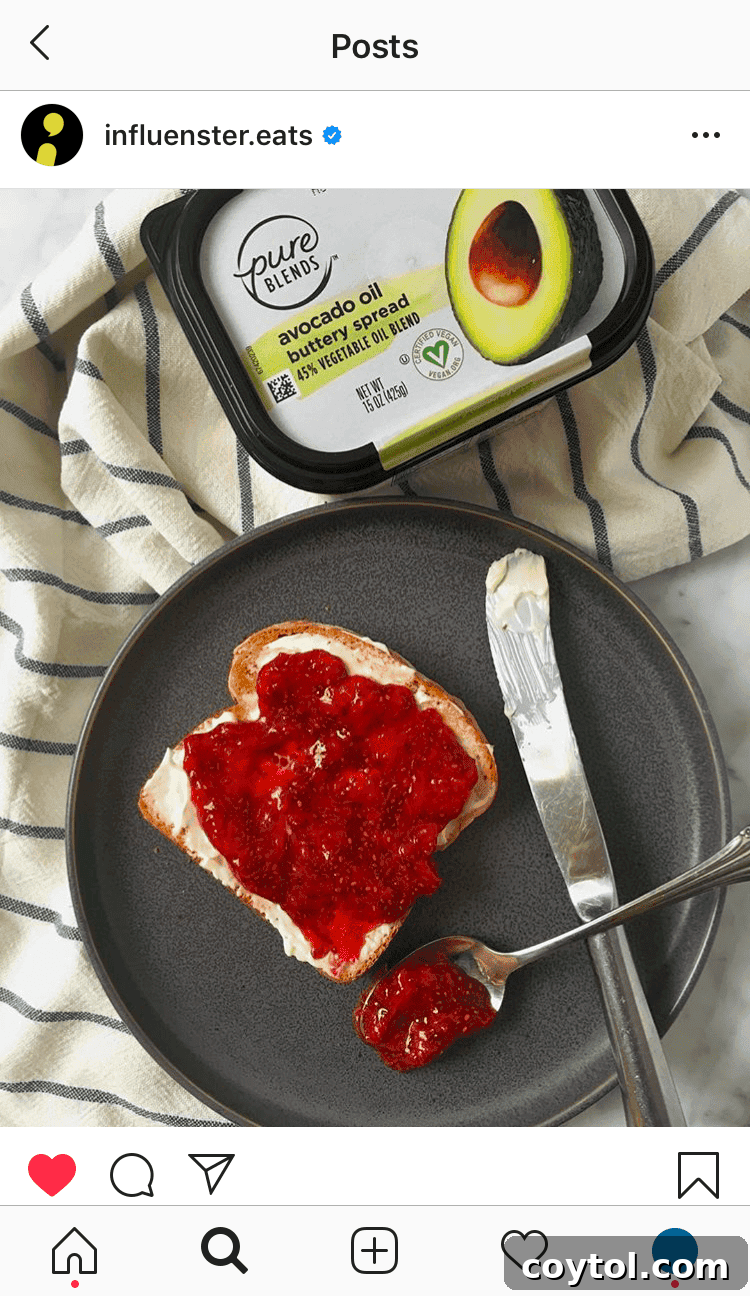
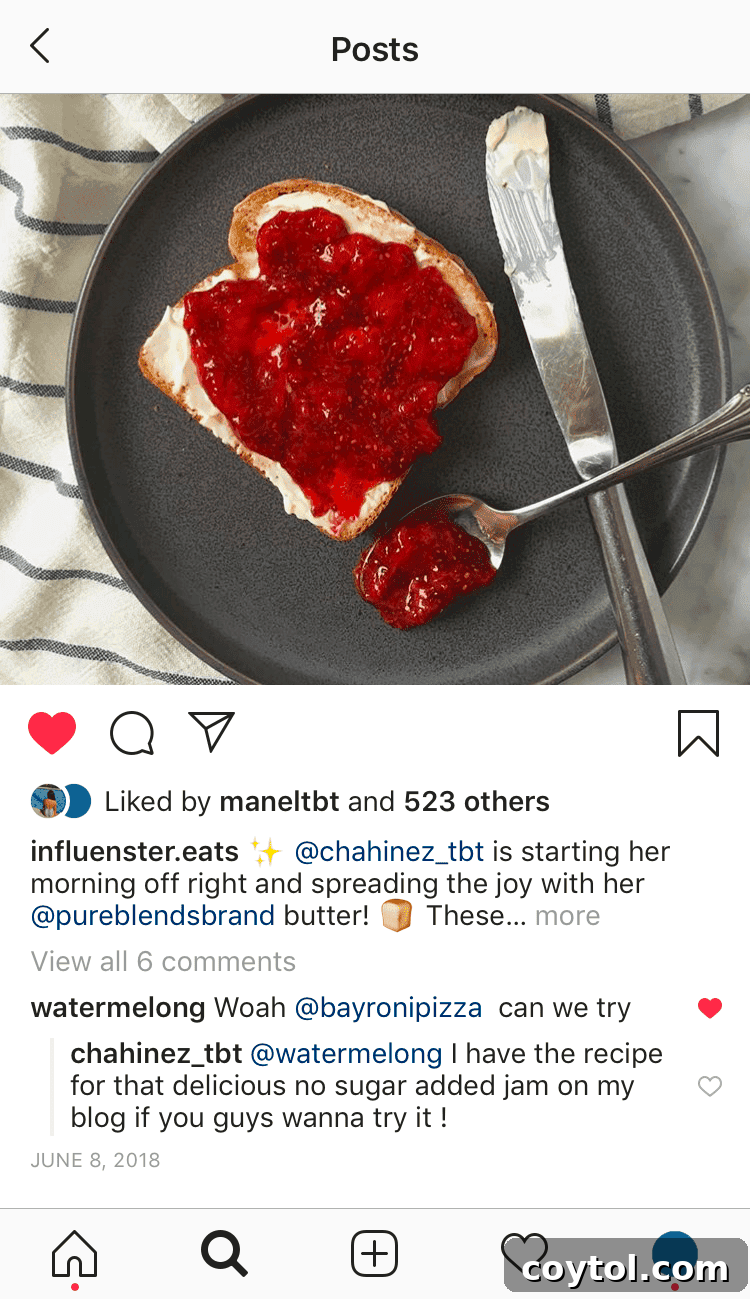
After sharing that photo on my Instagram, it caught the attention of @Influenster.eats and was subsequently reposted! This generated significant exposure and put my work in front of larger brands and a broader audience. It was a simple, yet effective strategy that paid off. Make sure to sign up for Influenster and start reviewing products you already use to increase your chances of landing real sponsored opportunities!
By consciously incorporating different products into your food photography and posts, you effectively demonstrate your creative capabilities and the value you can bring to a brand collaboration.
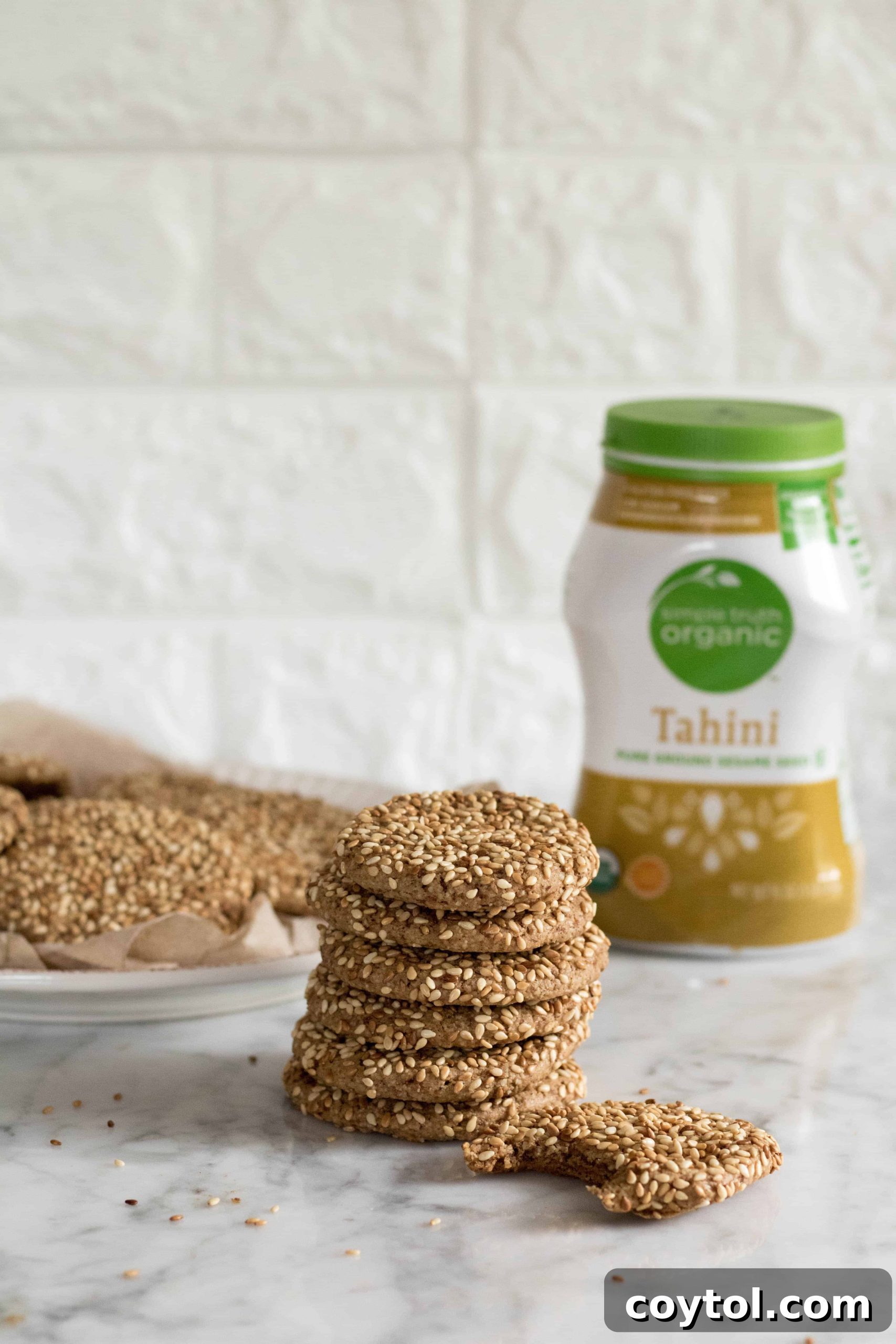
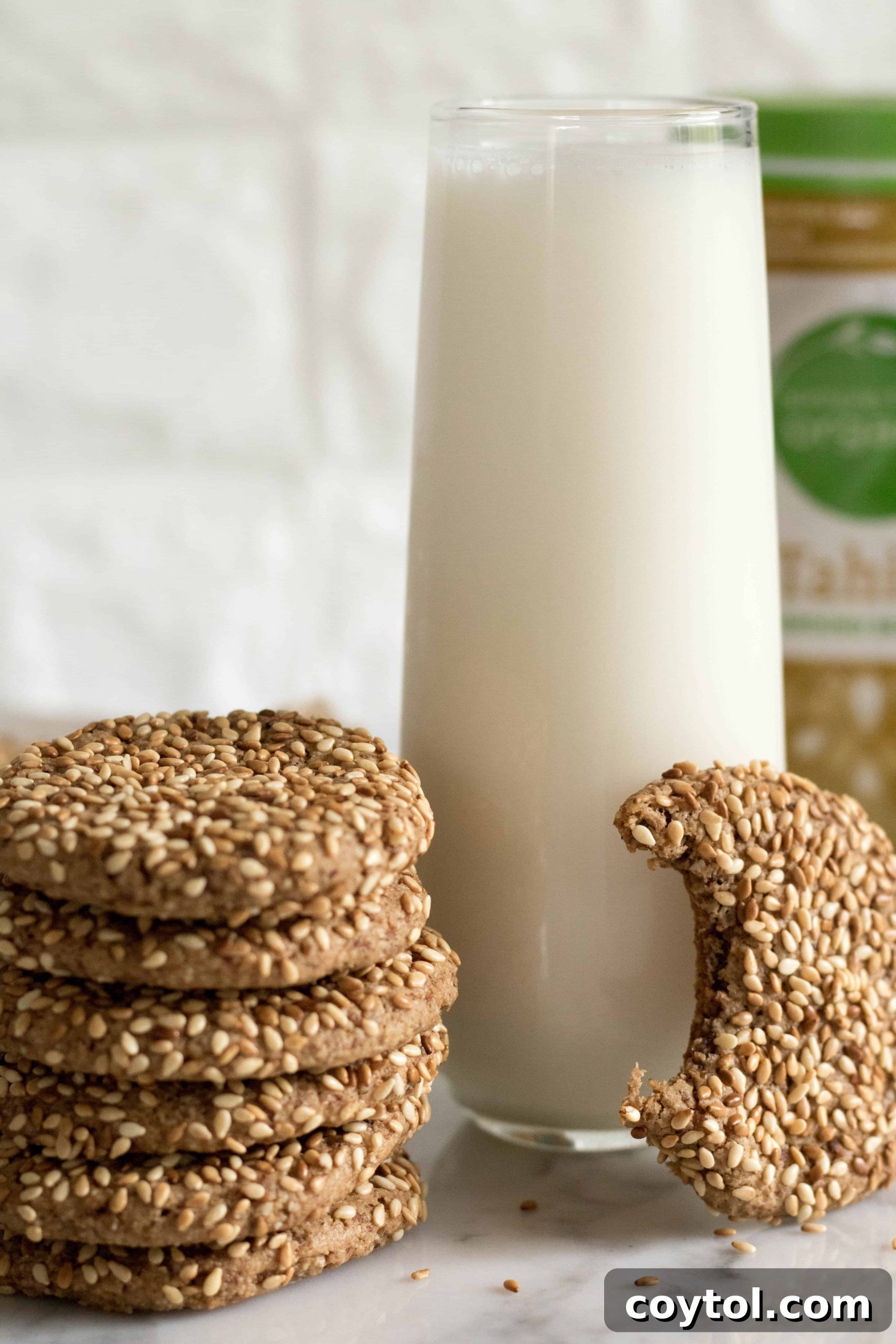
For example, in the photos above, I was not paid or working directly with Simple Truth Organic. However, I still took photos showcasing their tahini product in my recipe for The Best “Gluten Free | Vegan” Tahini Sesame Seed Cookie You’ve Ever Had. This allowed me to highlight the ingredients I used for my readers and simultaneously build a compelling portfolio to present to brands in the future.
3. Leverage Influencer Marketing Platforms Like Influenster and Tomoson
Once you’ve built a foundational audience and a portfolio of product showcases, it’s time to actively seek out opportunities through dedicated influencer platforms. These websites act as bridges between brands looking for exposure and content creators seeking collaborations.
Influenster:
Influenster was the very first platform I used to receive complimentary products, even before I started blogging actively. While many of my initial “VoxBoxes” were beauty-related, as I began reviewing more food products, my chances of receiving food-centric items significantly increased.
Influenster regularly sends out surveys via email to eligible members who are being considered for product campaigns. It’s crucial to complete these surveys promptly and thoroughly to maximize your chances of acceptance into a campaign. Be honest about your preferences and interests to ensure you receive products that genuinely align with your niche.
Tomoson:
Tomoson is another powerful platform I discovered, and while it took a little time to master, it has become an invaluable resource. Tomoson differentiates itself by offering both complimentary product collaborations and paid opportunities.
Through Tomoson, you can find campaigns where companies send you their product, and in return, you’re required to create a blog post, social media content, or both. Crucially, many of these opportunities also include monetary compensation for your time and creative work. This is an excellent way for beginners to gain experience working with brands and generate some income before approaching larger corporations directly.
Here are some of the items I’ve received through these platforms:
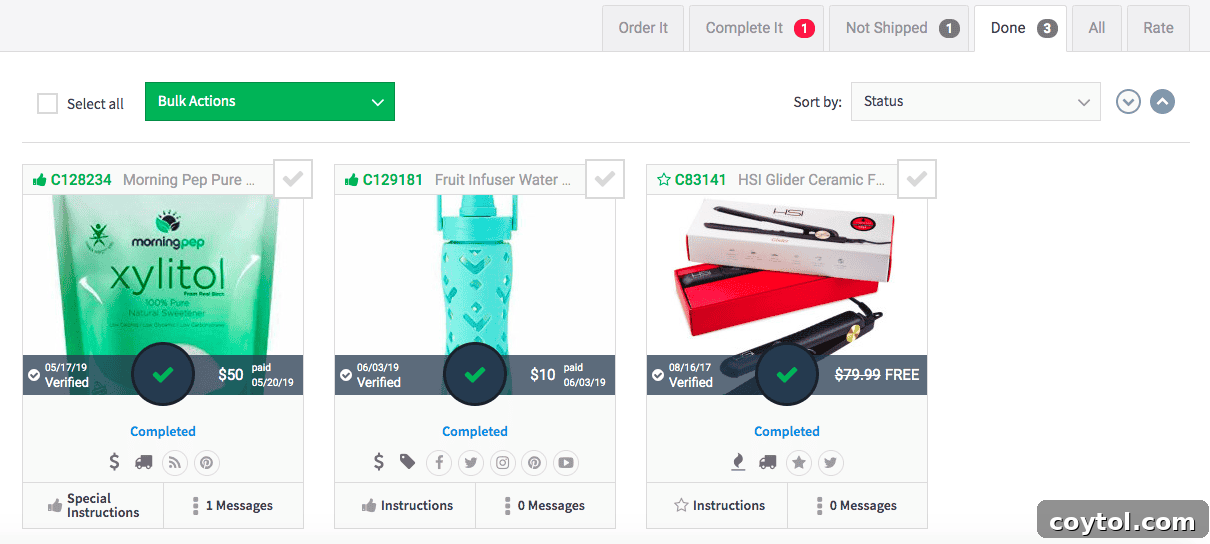
I was compensated for my work on the two most recent campaigns, and I’m currently in the midst of another exciting collaboration! These platforms provide an excellent stepping stone for new bloggers and influencers to connect with brands that are actively seeking content creators.
4. Be Selective: Choose Your Brand Collaborations Wisely
When opportunities for complimentary products or sponsored content arise, it’s paramount to be discerning. You must carefully evaluate whether a product or brand aligns perfectly with your blog’s niche, your personal values, and the expectations of your audience. Authenticity is the cornerstone of trust in blogging.
Consider this: if you accept a product that you don’t genuinely believe in or wouldn’t use yourself, even if it’s food-related, your audience will likely sense the disconnect. This can quickly erode the trust you’ve worked hard to build, leading readers to believe you’re willing to promote anything for a “freebie.” Maintaining integrity is far more valuable than any single product.
A more extreme but illustrative example would be a food blogger accepting a collaboration for a hair styling tool. While amusing, it highlights the importance of staying within your content vertical. If it doesn’t fit, don’t do it. (It’s ironic for me to use this example, as I did receive a free hair straightener back in 2017 – long before I launched this food blog!)
Only accept products and opportunities that genuinely excite you and align with your passion. When you’re truly enthusiastic about what you’re promoting, that passion will radiate through your content, resulting in more beautiful photos, engaging articles, and authentic posts that resonate deeply with your audience.
5. Don’t Be Afraid to Put Yourself Out There: Proactive Outreach
As a beginner food blogger, it’s rare for companies to seek you out directly. More often than not, you’ll need to be proactive and initiate contact with brands. This involves confidently reaching out to companies and articulating the unique value proposition you can offer them. Clearly explain why partnering with you – whether through featuring their products or creating sponsored content – will bring tangible benefits and exposure to their brand.
Stepping out of your comfort zone to contact brands can feel intimidating, but it’s a critical step in opening doors to new opportunities, including receiving complimentary products. The worst outcome is a polite refusal, in which case you’re no worse off than before you tried. But if they say yes, you’ve just unlocked a new collaboration!
Tips for Proactive Outreach:
- Craft a Compelling Pitch Email: Your email should be concise, professional, and highlight your unique selling points. Include an introduction, relevant blog statistics (page views, social media following), explain why their specific product resonates with your content, and propose concrete ideas for collaboration.
- Prepare a Media Kit: A media kit is a professional document (often a PDF) that outlines your blog’s demographics, traffic statistics, social media reach, past collaborations, and contact information. It serves as your professional resume for brands.
- Research Brand Contacts: Look for marketing or PR contacts on company websites, or use tools like LinkedIn to find relevant personnel.
- Follow-Up Gracefully: If you don’t hear back within a week or two, a polite follow-up email is acceptable, but avoid being persistent to the point of annoyance.
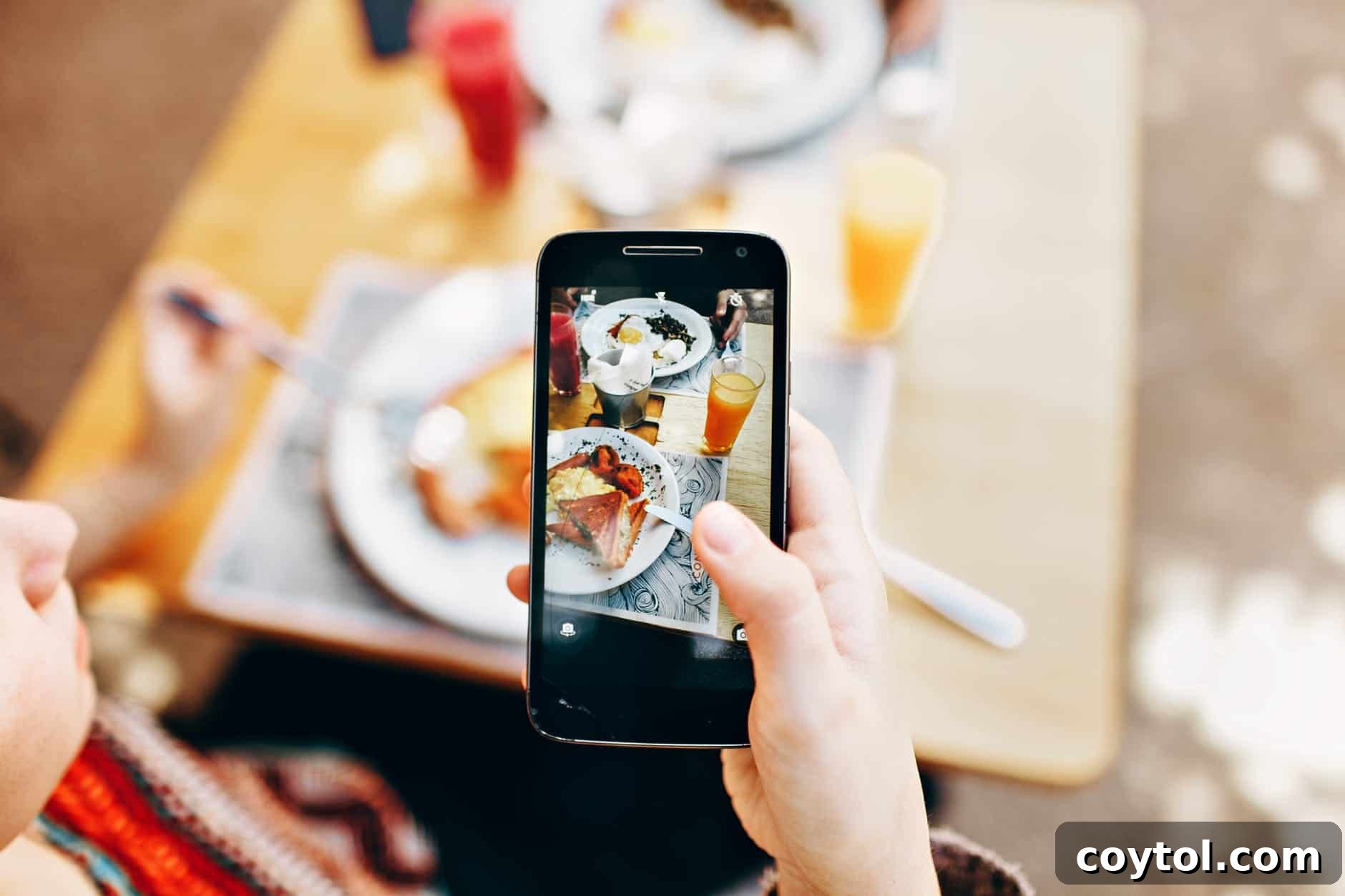
6. Understand Brand Expectations and Disclosure Guidelines
Before entering any collaboration, it’s vital to have a clear understanding of the brand’s expectations. This includes specific deliverables (e.g., number of blog posts, social media stories, recipe development), timelines for content submission and publication, usage rights for the content you create, and payment terms if it’s a paid opportunity. Always ensure these details are outlined in a written agreement.
Furthermore, adhering to disclosure guidelines is non-negotiable. Regulatory bodies like the FTC (Federal Trade Commission) in the US require transparent disclosure of sponsored content. This means clearly indicating to your audience when you’ve received a product for free or been compensated for a post (e.g., using #ad, #sponsored, or a clear disclosure statement at the beginning of your content). Transparency builds trust and is a legal requirement for ethical influencer marketing.
Embarking on the journey of securing sponsorships as a beginner food blogger is an exciting one. It requires dedication, strategic planning, and a commitment to authenticity. By focusing on building a strong platform, showcasing your talents, leveraging appropriate tools, and approaching brands with professionalism, you can transform your passion for food into rewarding collaborations.
As always, make sure to follow me on Instagram at @Chahinez_tbt and Pinterest for more culinary inspiration and blogging tips.
If you found this guide helpful and different from my usual content, please let me know in the comments below! I’m always considering broadening the topics I cover to better serve my community.
Have an awesome day, and don’t forget to pin this valuable resource for later!
XO, Chahinez