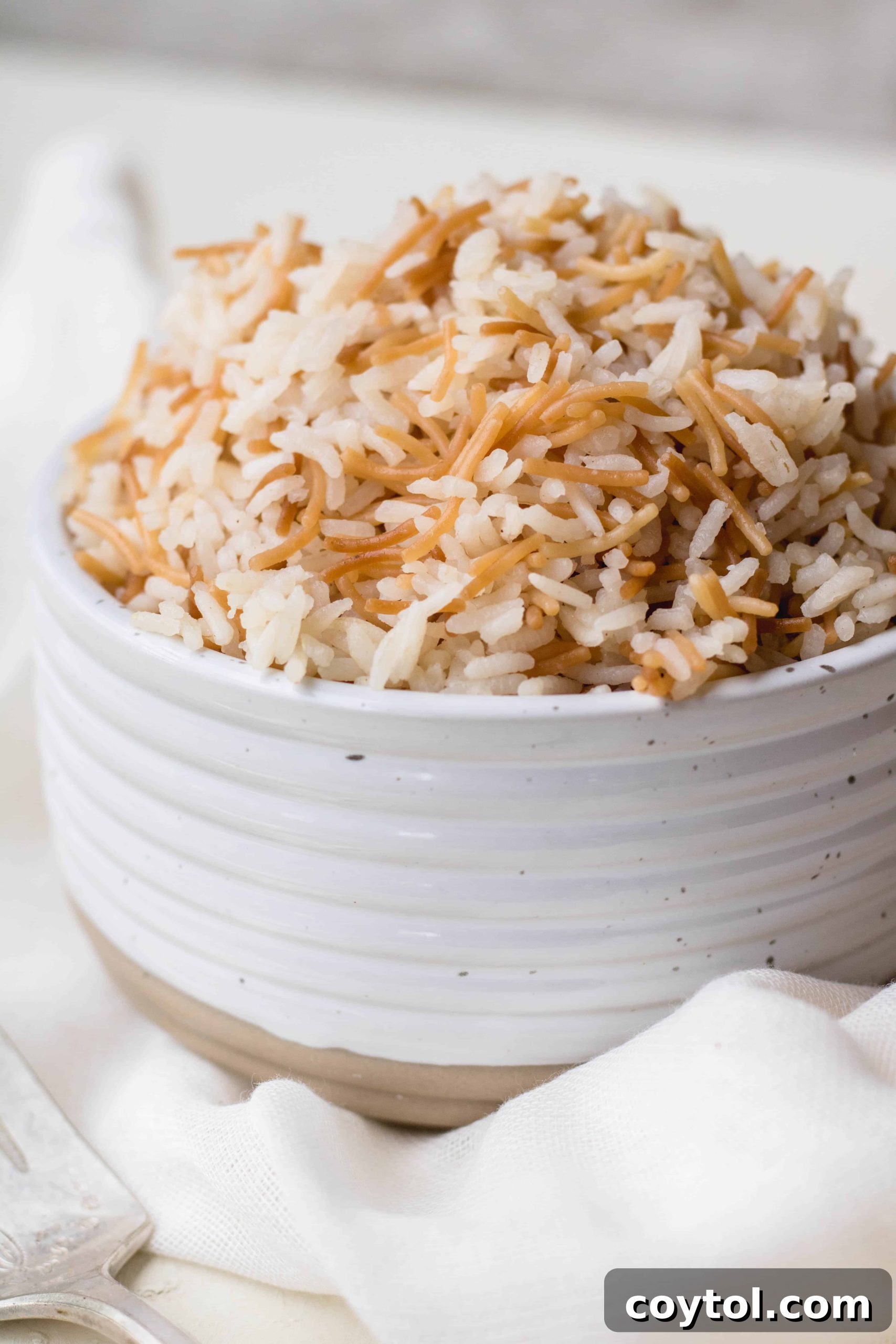
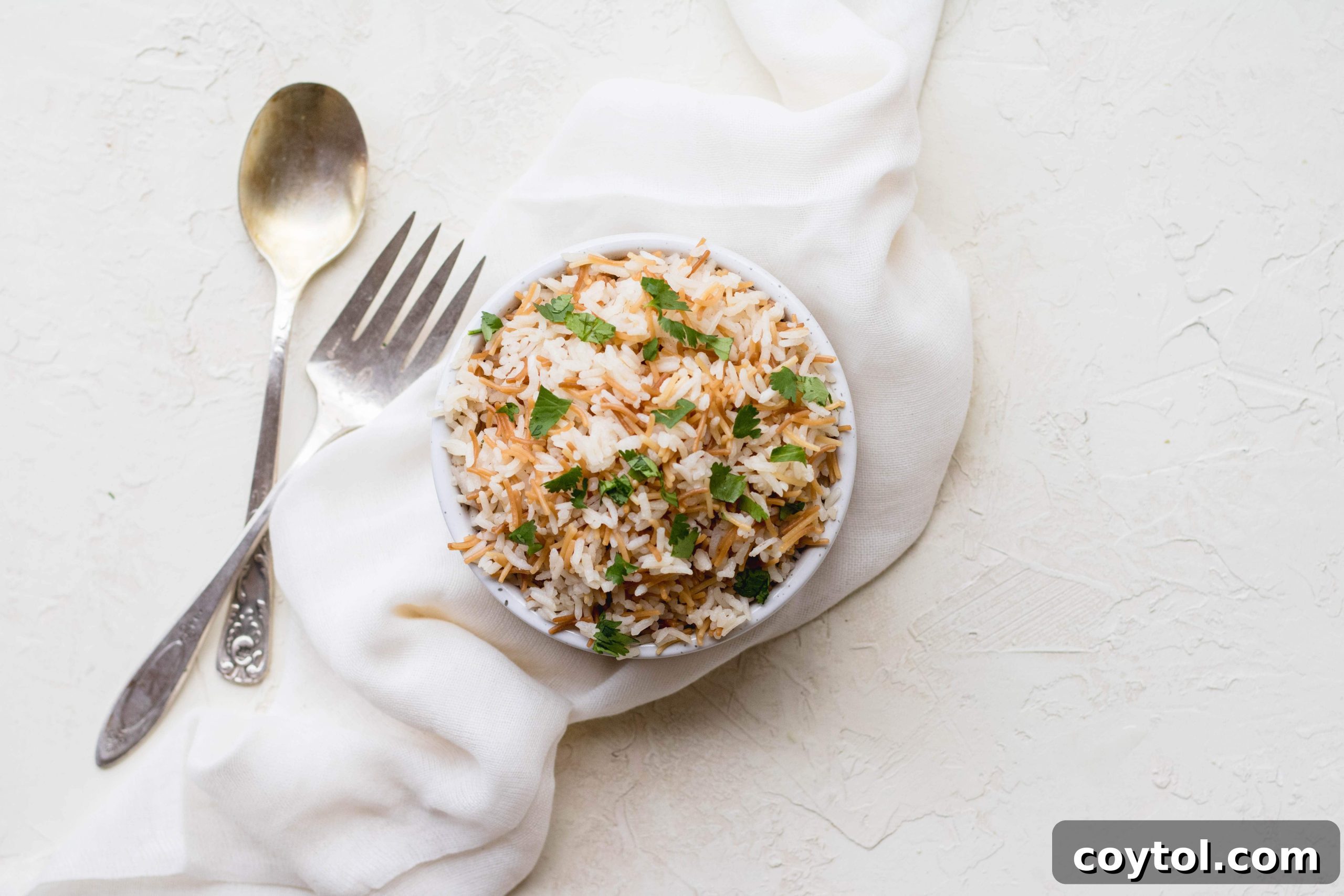
Welcome to the culinary journey of Lebanese rice pilaf with vermicelli and cinnamon, a remarkably simple yet profoundly flavorful dish that has graced tables across the Middle East for generations. This beloved recipe calls for just a handful of staple ingredients, transforming them into an incredibly versatile side that complements an array of Mediterranean and Middle Eastern main courses – or truly, any meal seeking a touch of aromatic elegance. Prepare to elevate your dining experience with this easy-to-master, incredibly satisfying rice pilaf.
Join Our Culinary Community for Exclusive Recipes & Meal Plans!
Unlock a world of delicious possibilities by subscribing to our mailing list. Receive a free weekly meal planner and exclusive recipe cards directly in your inbox, making home cooking easier and more inspiring than ever before!
Hello, fellow food enthusiasts!
In these ever-changing times, where daily routines are often reshaped, finding comfort and joy in our homes has become more important than ever. For many, the kitchen has transformed into a sanctuary, a place to experiment, create, and nourish. While the outside world may present its challenges, there’s immense satisfaction in crafting a wholesome, delicious meal with ingredients you likely already have on hand. Today, I’m thrilled to share a recipe that embodies this spirit: a simple, heartwarming side dish that brings a touch of exotic flavor right to your family table, without requiring any special trips to the grocery store. It’s a perfect recipe for those times when you seek both ease and exceptional taste.
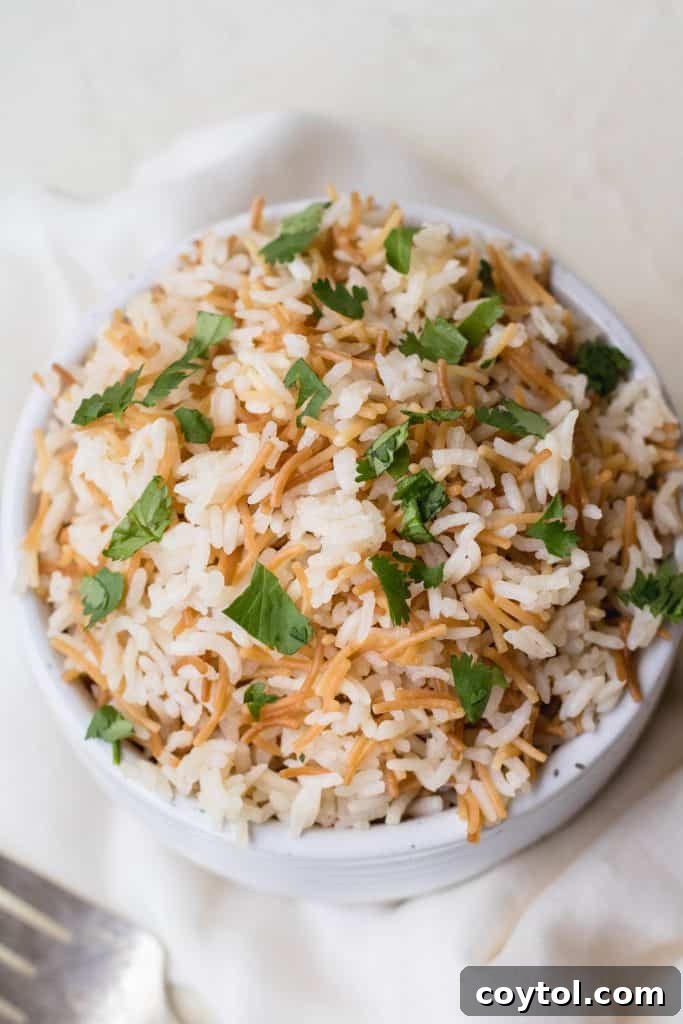
The Story Behind This Aromatic Lebanese Rice Pilaf Recipe
My journey with this particular cinnamon-infused Lebanese rice pilaf began not in a traditional Lebanese kitchen, but at a dear friend Nagam’s graduation party. Though I am Mediterranean, I had never encountered rice quite like this before. From the very first bite, I was completely captivated by its delicate flavors and perfectly cooked texture. Nagam’s mother, a truly gifted cook, had prepared it, and lucky for me, her family was heading on vacation the next day, leaving me with a generous portion of the glorious leftovers!
Over the following days, I became utterly obsessed, much like Monica from Friends in her quest for the Nestle Tollhouse cookie recipe. I was determined to unravel the secrets of this delightful Lebanese rice. It was more than just rice; it was a dish imbued with warmth and comfort, a testament to the power of shared food and tradition. I tirelessly experimented, conducted extensive online research, and went through a couple of trial-and-error batches. Each attempt brought me closer to that elusive perfect balance of flavors.
Finally, I cracked the code! We successfully recreated the authentic taste and texture of that unforgettable Lebanese rice. And now, I’m thrilled to share this treasured stovetop rice cooking method with all of you. Especially during these times when many have wisely stocked up on rice, knowing how to transform it into something truly special is invaluable.
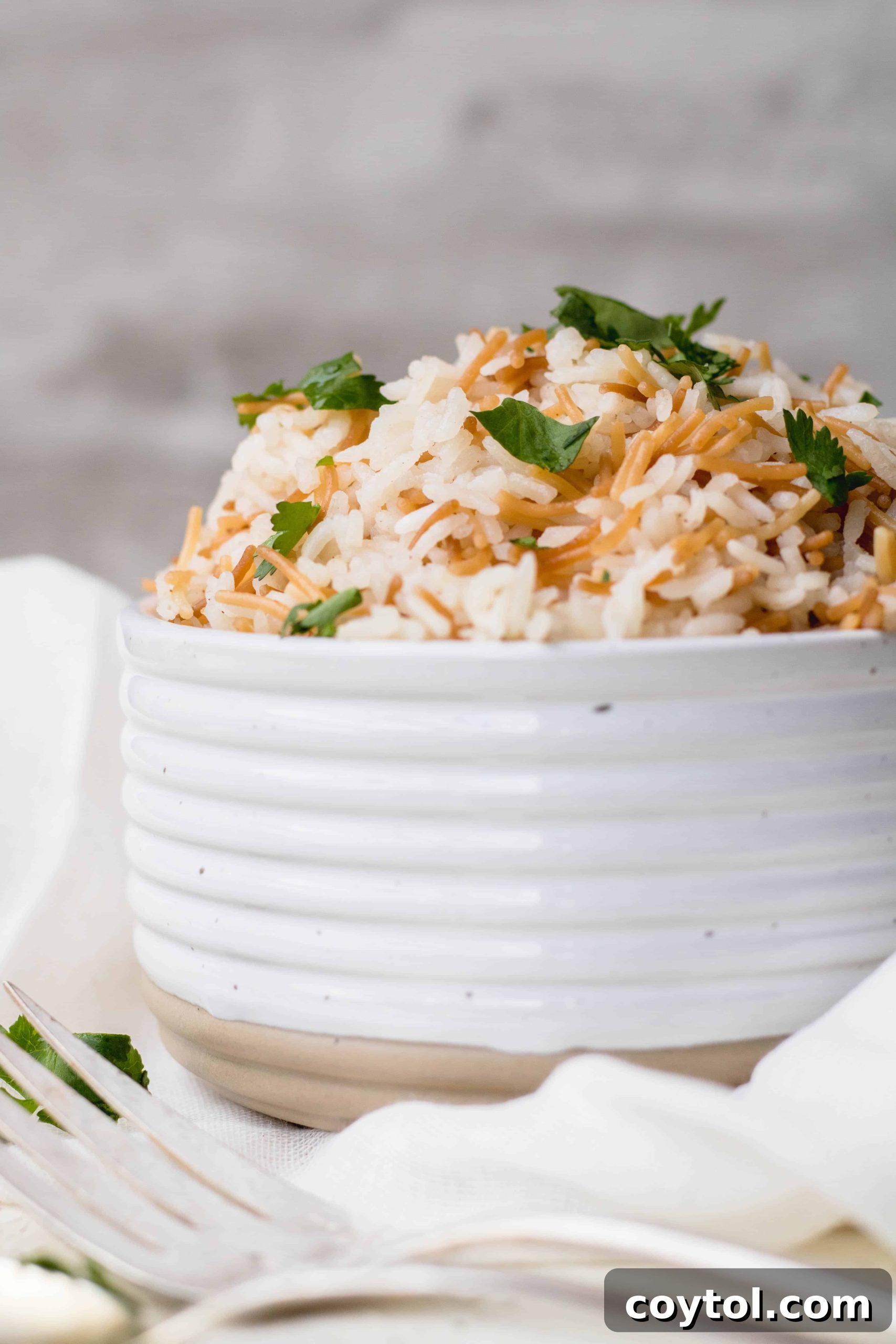
What Exactly Is Lebanese Rice?
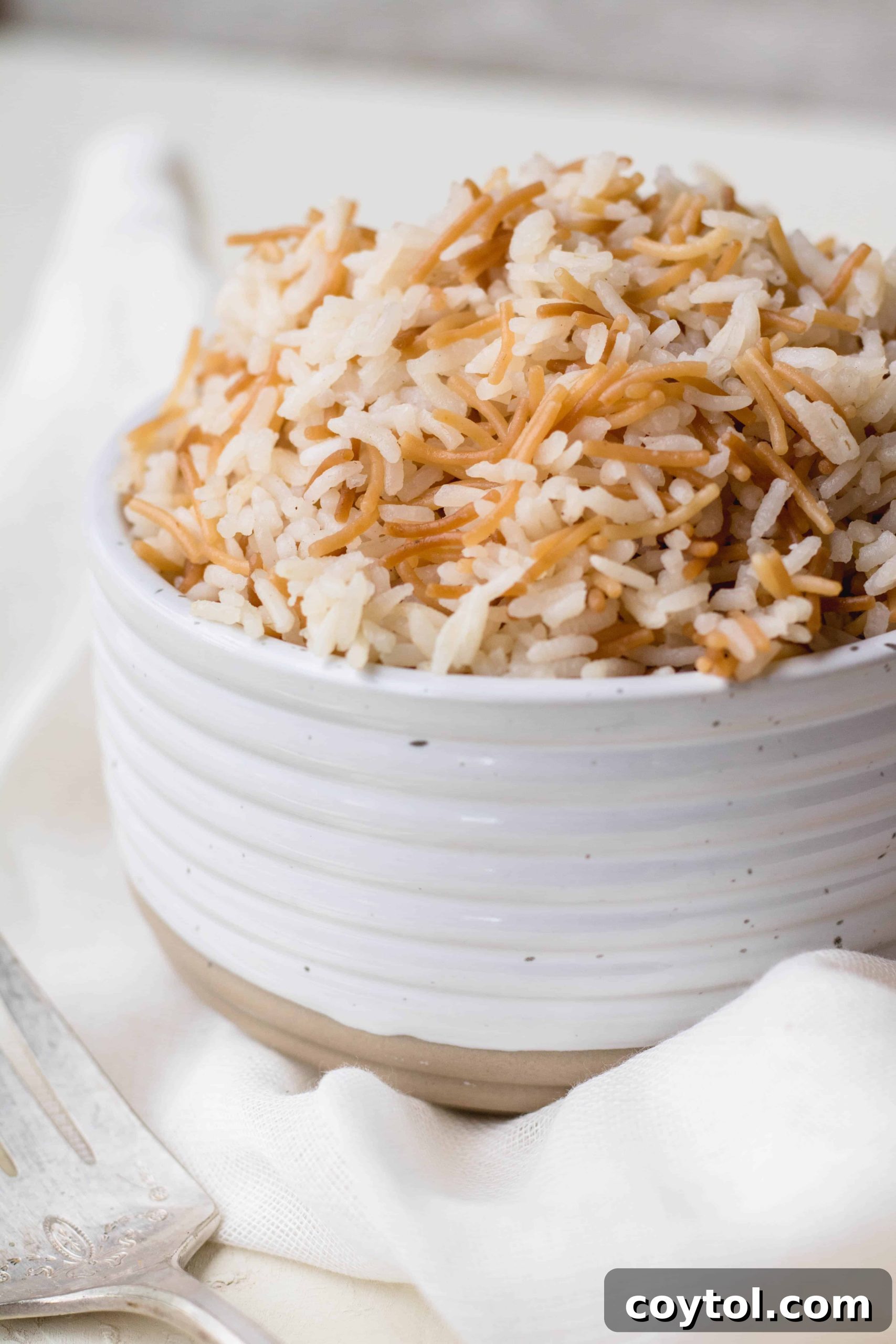
You might be wondering what sets Lebanese rice apart and why it generates such enthusiasm. Simply put, Lebanese rice is a beautifully simple, yet incredibly satisfying rice pilaf. It’s often referred to as vermicelli rice due to one of its key components.
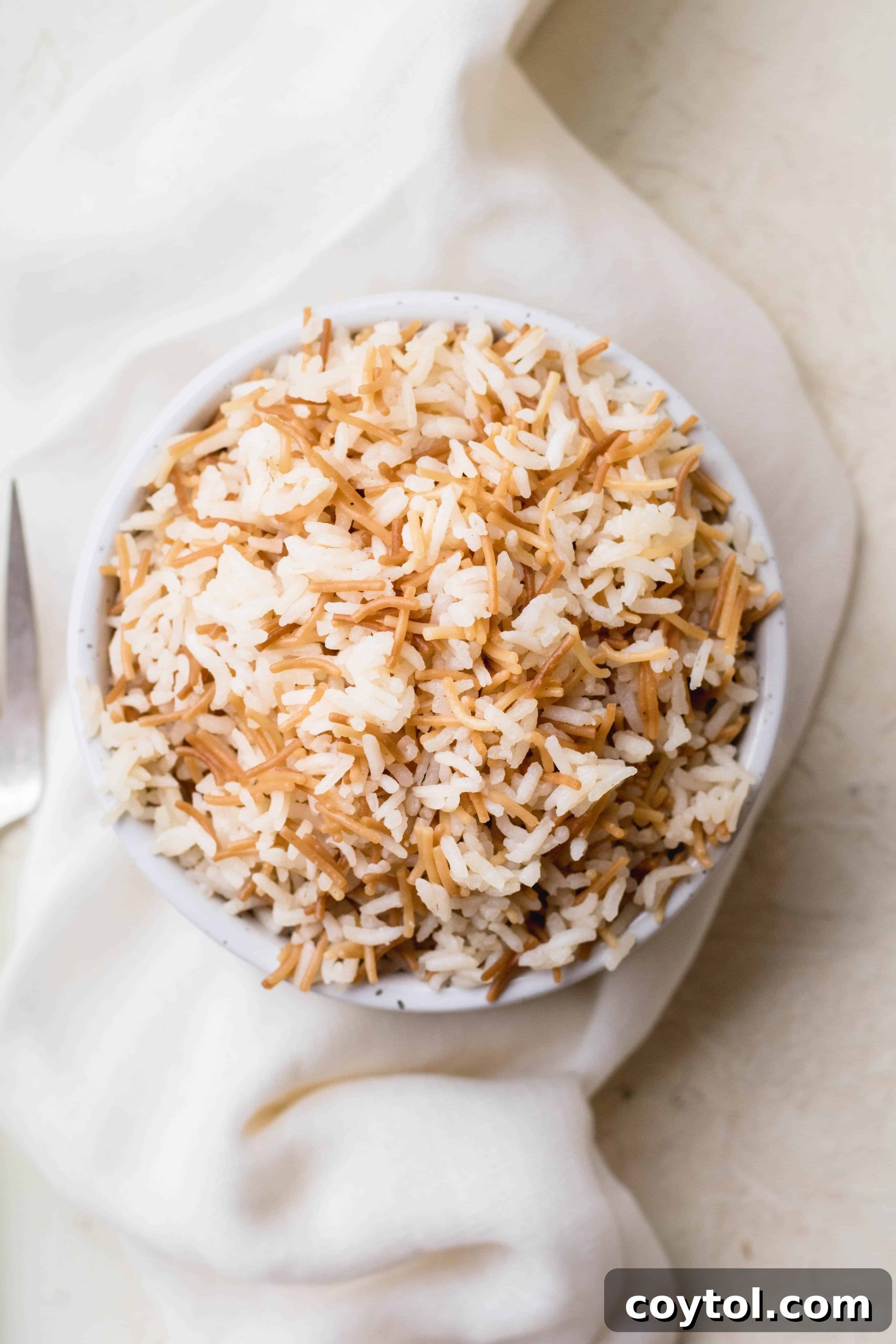
At its heart, Lebanese rice is crafted from long-grain white rice, toasted vermicelli noodles, and either butter or oil. While oil offers a lighter touch, I personally find that butter lends a richer, more profound flavor, enhancing the overall indulgence of the dish. The magic truly happens with a thoughtful seasoning of salt and a delicate whisper of cinnamon. This subtle hint of spice is what elevates it beyond a mere rice dish, adding an unexpected warmth and aromatic depth.
For those looking to add an extra layer of elegance, many variations include additions like toasted nuts (such as pine nuts, cashews, or almonds) and dried fruits like cranberries or raisins. These additions introduce delightful textures and complementary notes of sweetness, transforming it into a truly fancy and irresistible side dish that everyone is sure to adore.
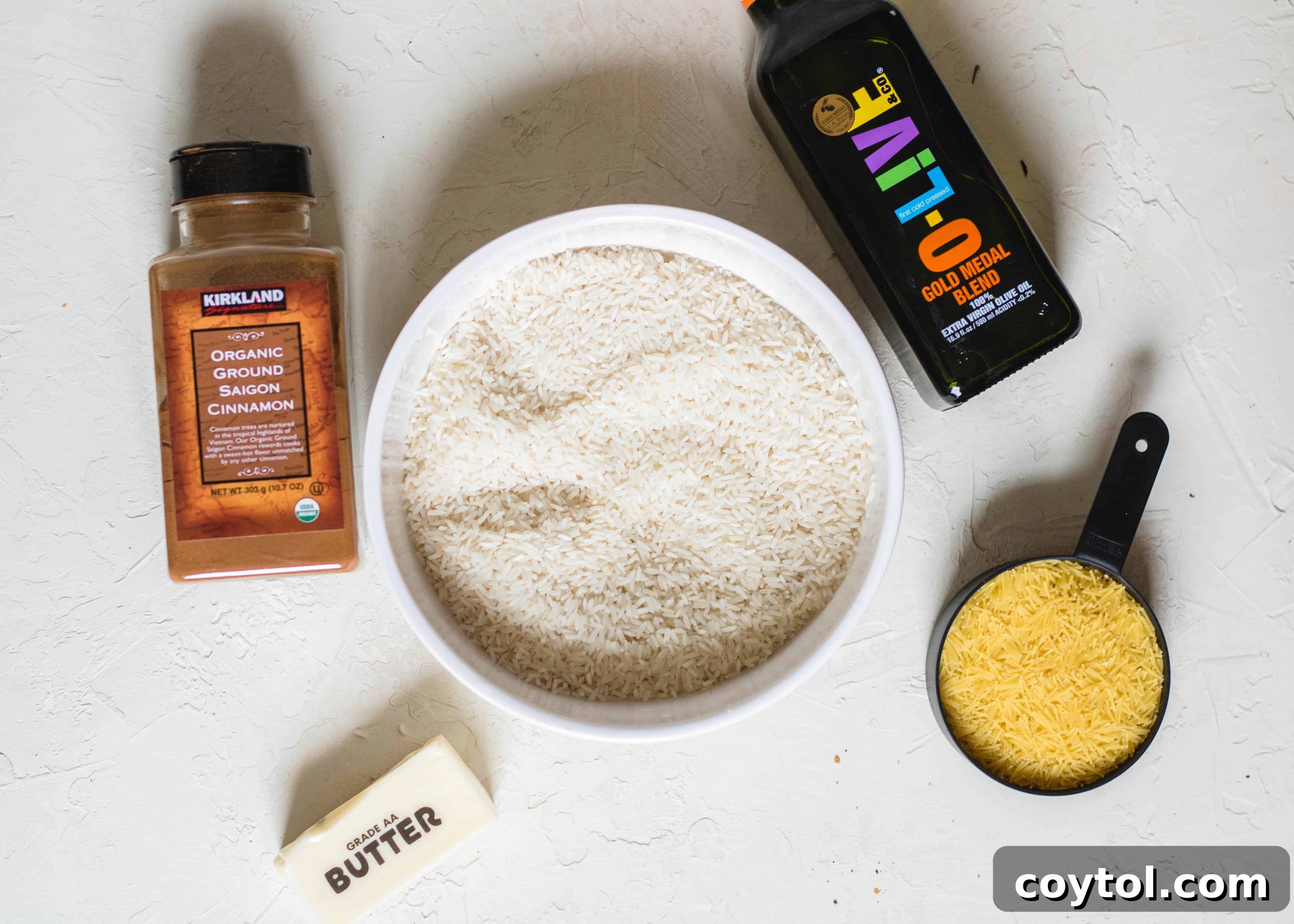
Key Ingredients for Authentic Lebanese Rice Pilaf
As I mentioned, this Lebanese rice pilaf might sound exotic, but it’s wonderfully straightforward and requires minimal ingredients, most of which you probably already have in your pantry. Here’s a detailed breakdown of what you’ll need to create this simple yet impressive side dish:
- Long-Grain White Rice: The foundation of our pilaf. While the traditional recipe often specifies long-grain, don’t fret if you only have regular white rice on hand. It will still yield a delicious result, perfect for using up pantry staples.
- Vermicelli Noodles: These delicate, thin pasta strands are crucial, giving the pilaf its signature texture and nutty flavor when toasted. They are why this dish is sometimes known simply as ‘vermicelli rice’.
- Butter or Oil: Used to beautifully toast the vermicelli, developing a deep, nutty aroma. I highly recommend butter for its rich, browned notes, but a neutral oil can be used as a 1:1 substitute if butter isn’t available.
- Salt: Essential for seasoning. Start with 2-3 teaspoons and adjust to your preference, as taste can vary.
- Cinnamon: The defining aromatic touch. This provides a subtle, warm flavor that sets Lebanese rice apart. If you’re not a fan of cinnamon, it can be omitted, but I encourage you to try it for an authentic experience.
- Parsley: An optional garnish that adds a vibrant splash of color and fresh herbal notes, enhancing the visual appeal of the dish.
- Toasted Nuts: For an elevated presentation and added crunch, consider incorporating toasted pine nuts, cashews, or almonds. These luxurious additions will truly take your Lebanese rice to the next level.
- Dried Cranberries or Raisins: A fantastic optional extra for a hint of sweetness that beautifully contrasts with the savory rice.
Smart Substitutions for Lebanese Rice Pilaf
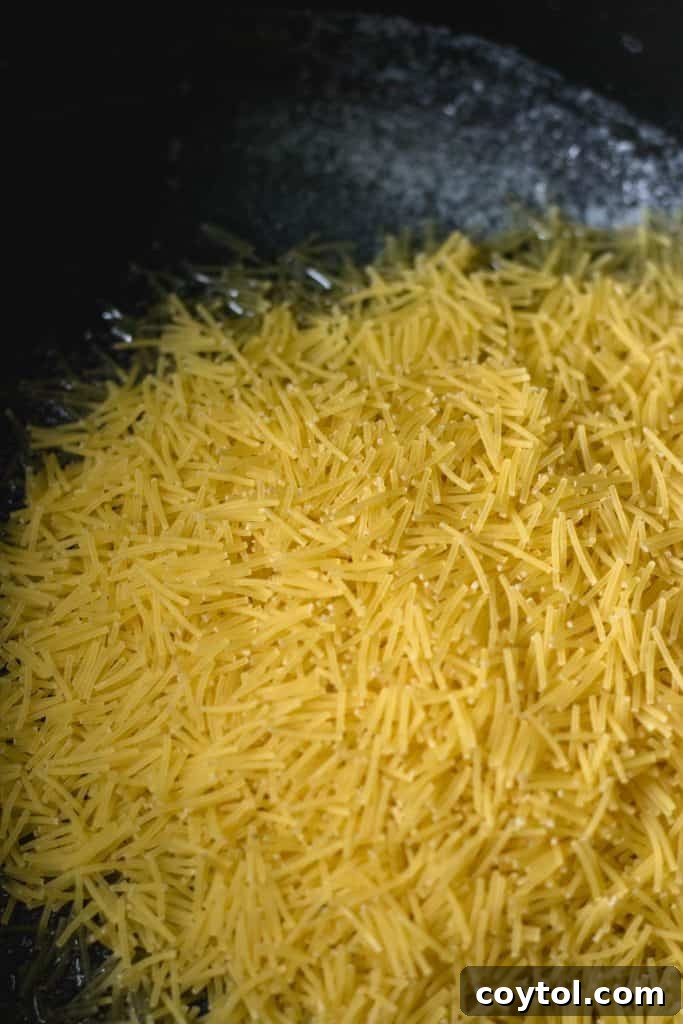
Don’t have vermicelli noodles? No problem! You can easily substitute them with angel hair spaghetti. Simply break the angel hair pasta into smaller, vermicelli-like pieces before toasting. This ensures a similar texture and integrates seamlessly into the rice pilaf. The key is to achieve those short, golden strands that give the dish its characteristic nutty flavor.
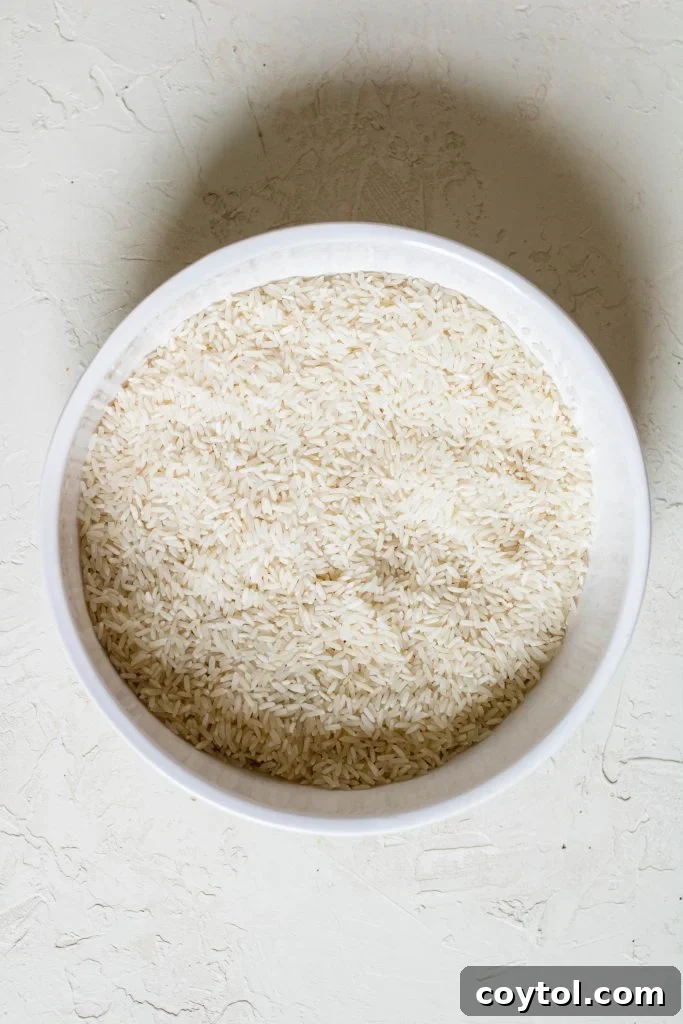
Mastering the Art of Stovetop Lebanese Rice
Cooking this delicious Lebanese rice pilaf on the stovetop is surprisingly simple and yields consistently excellent results. Follow these steps for perfect, fluffy rice every time:
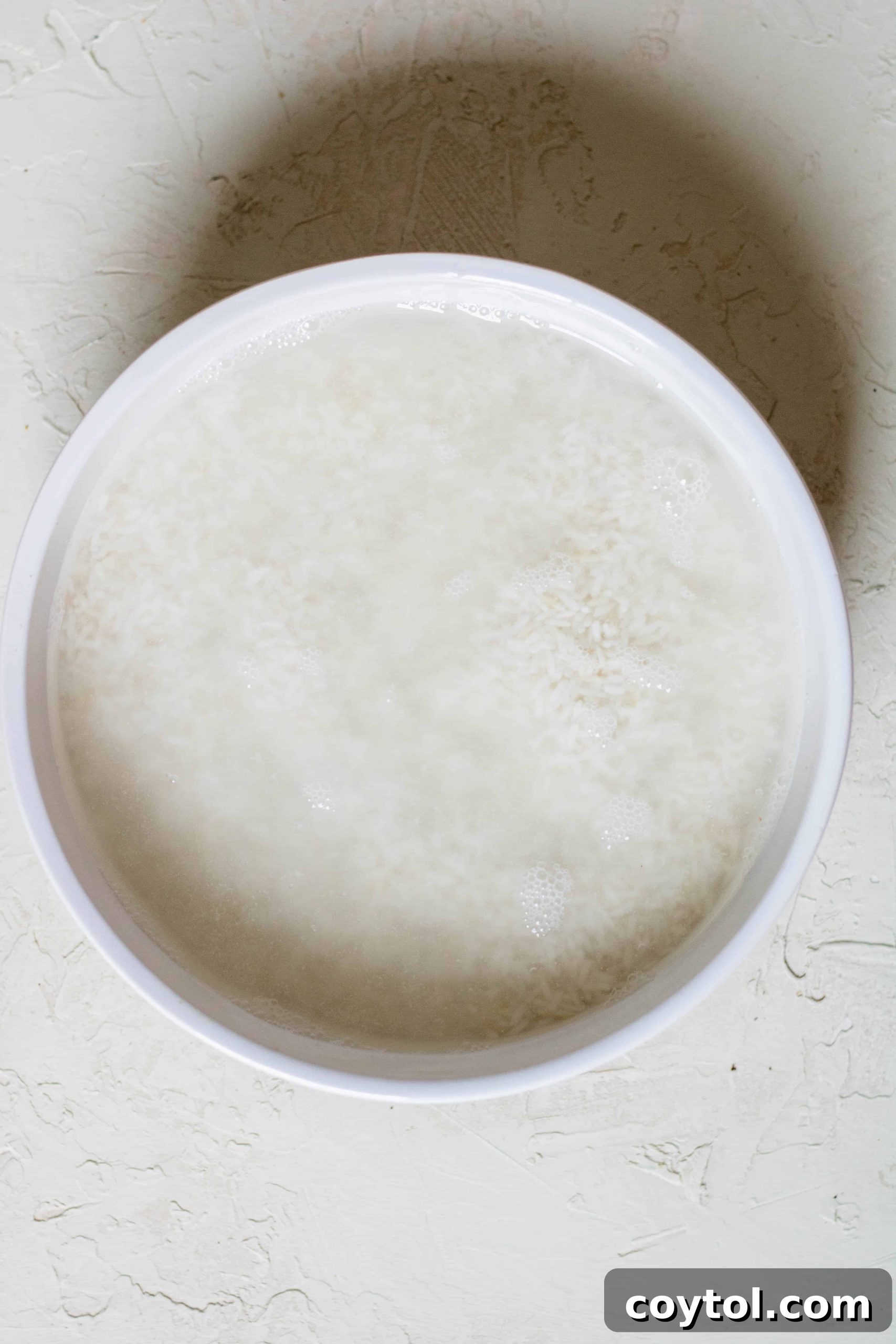
- Prepare the Rice: Begin by thoroughly rinsing your rice under cold running water. Continue rinsing until the water runs clear, ensuring that excess starches are removed. After rinsing, soak the rice in fresh cold water for 10-20 minutes. While you can skip this step if you’re short on time, soaking significantly improves the texture and helps each grain cook evenly, making for a superior pilaf.
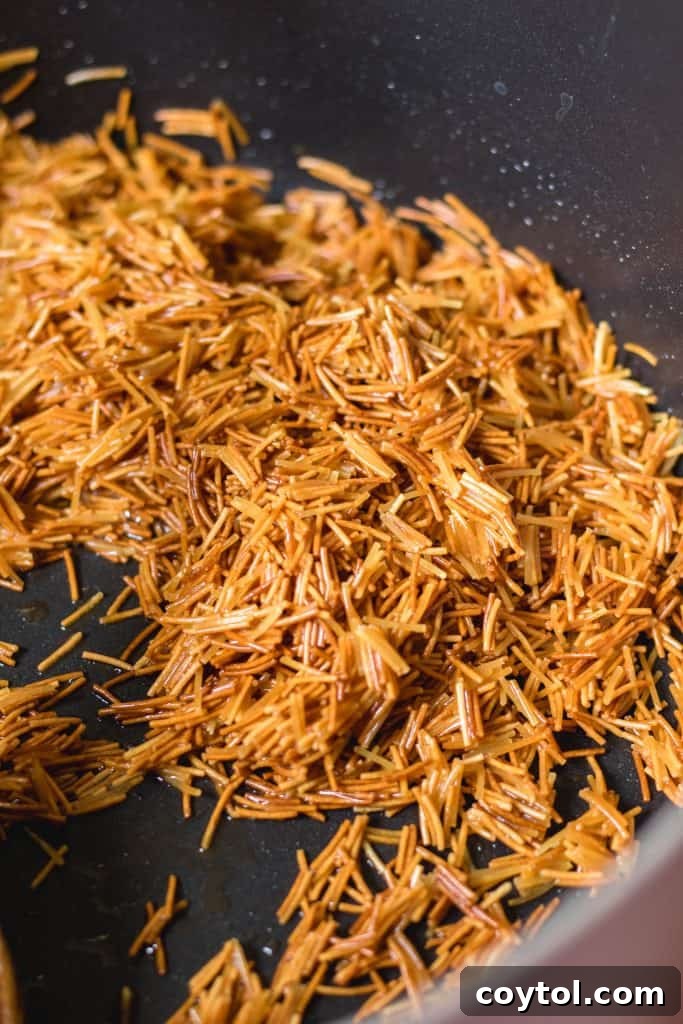
- Toast the Vermicelli: In a large, heavy-bottomed pot, melt the butter (or heat the oil) over medium heat. Add the vermicelli noodles and stir constantly to ensure they are evenly coated. Keep a close eye on them, as vermicelli browns quickly! Stirring frequently prevents burning and promotes an even golden-brown color. The darker the vermicelli (without burning), the more pronounced and nutty the flavor will be. This step typically takes 4-5 minutes.
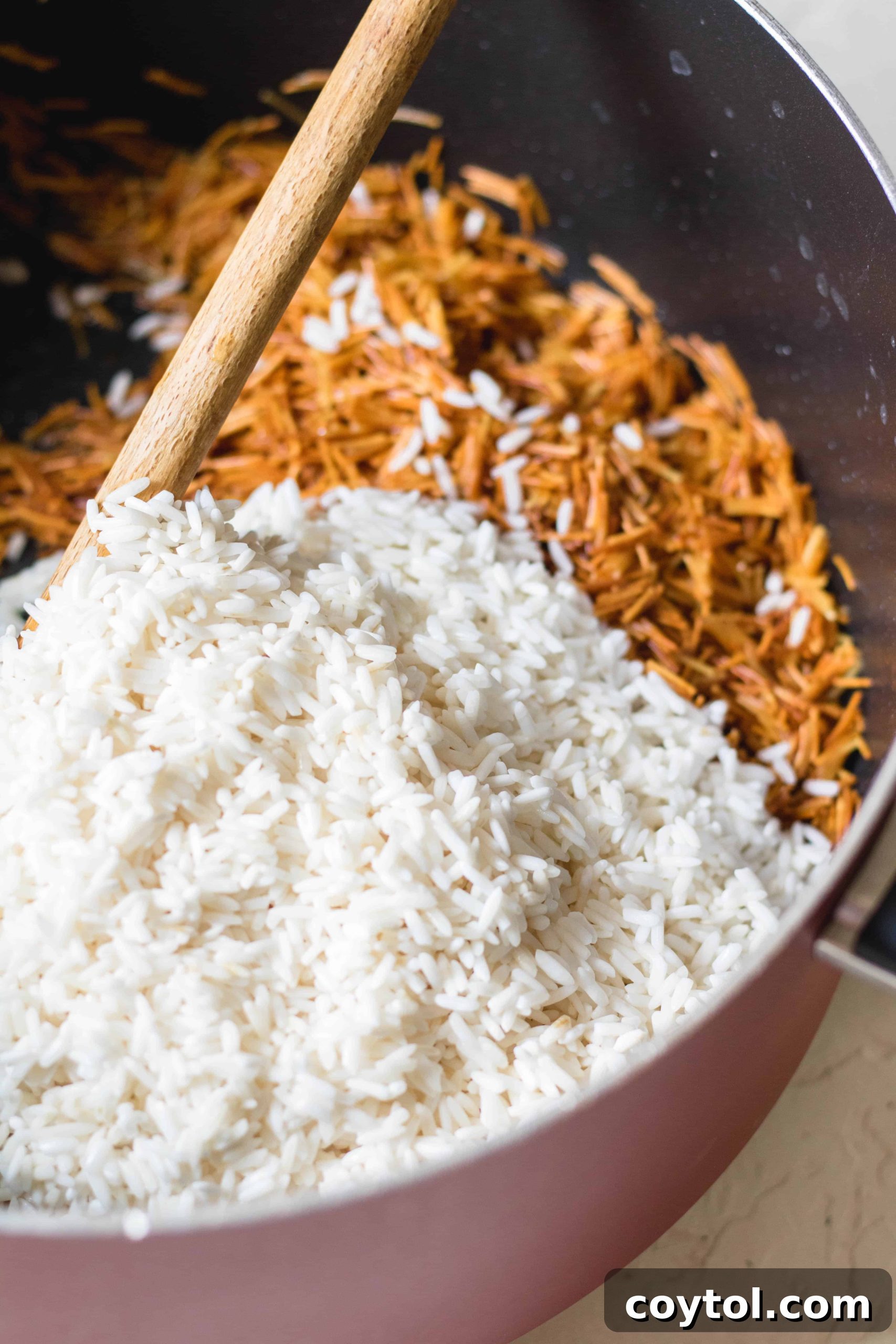
- Combine and Toast: Once the vermicelli has achieved a deep golden-brown hue, drain the soaked rice thoroughly and add it to the pot. Sprinkle with salt and cinnamon, then stir gently to combine the rice with the toasted vermicelli. Continue toasting the mixture for an additional 2-3 minutes, stirring frequently. This step is crucial for developing a deeper flavor profile in the rice itself.
- Simmer to Perfection: Slowly pour the hot water into the pot and stir once more to ensure everything is well-mixed. Bring the liquid to a rolling boil, then stir briefly one last time. Immediately reduce the heat to its lowest setting, cover the pot tightly with a lid, and allow the rice to cook undisturbed for 15-20 minutes.
- Rest and Fluff: Once the cooking time is complete, resist the urge to peek! Do not uncover the pot for at least 5 minutes after removing it from the heat. This crucial resting period allows the steam to finish cooking the rice, ensuring every grain is tender and fluffy. After resting, gently uncover the pot and fluff the rice with a fork before serving.
Pro Tips for the Best Lebanese Rice Pilaf
Achieving consistently perfect Lebanese rice pilaf is easy with a few key techniques. These simple tips will ensure your rice is fluffy, flavorful, and never sticky:
- Always Soak Your Rice in Cold Water: While you *can* skip this step in a pinch, I cannot emphasize enough how beneficial soaking rice is. Soaking for 10-20 minutes in cold water helps to remove excess starches from the surface of the grains. This process allows each individual grain to cook more evenly from the inside out, preventing stickiness and resulting in a wonderfully light and fluffy pilaf. It’s a small step that makes a huge difference in the final texture.
- Stir Vermicelli Frequently to Prevent Burning: When you’re frying the vermicelli, attention is key. These delicate pasta strands can go from perfectly golden-brown to burnt in a matter of seconds. To achieve that ideal nutty flavor without any bitterness, you must stir the vermicelli almost constantly as it toasts. Aim for a beautiful, deep golden-brown color, which signifies that the rich, toasty flavor has fully developed. This easy but necessary step is fundamental to the authentic taste of this rice pilaf.
Perfect Pairings: What to Serve with Lebanese Rice Pilaf
Lebanese rice pilaf is an incredibly versatile side dish that pairs wonderfully with a wide variety of cuisines. Its subtle cinnamon notes and nutty vermicelli make it an ideal accompaniment for rich stews, grilled meats, and vibrant vegetable dishes. Here are a few suggestions to inspire your next meal:
- Baked Indian Chicken Meatballs: The aromatic spices of the meatballs beautifully complement the subtle warmth of the rice.
- Beef Kofta: A classic Middle Eastern pairing, where the savory grilled beef is perfectly balanced by the light and fluffy rice.
- Lebanese Chickpea Stew: For a vegetarian option, this hearty stew offers a comforting and nutritious meal alongside the pilaf.
- Grilled Lamb Chops or Kebabs: The robust flavors of grilled lamb are a natural match for the delicate rice.
- Roasted Chicken or Fish: The pilaf acts as a fantastic absorbent base for any pan juices or marinades.
- Vegetable Tagines or Curries: Its neutral yet flavorful profile makes it excellent with various spiced vegetable dishes.
Storing and Reheating Your Delicious Lebanese Rice Pilaf
Made a larger batch of this irresistible Lebanese rice pilaf? No problem! It’s excellent for meal prepping and storing for later enjoyment.
To store your rice pilaf, transfer it to an airtight container and refrigerate it for up to 5-7 days. Ensure it cools completely before sealing to prevent condensation.
If you wish to freeze it for a longer period, place the cooled rice in a freezer-safe airtight container or heavy-duty freezer bag. It can be kept in the freezer for up to 2 months. When you’re ready to enjoy it again, simply thaw it in the refrigerator overnight. To reheat, add 2-3 tablespoons of water or broth to the rice, cover, and microwave for a couple of minutes, stirring halfway through, until it is heated through and fluffy again. The added liquid helps to restore moisture and prevent the rice from drying out.
If you’ve tried this Lebanese rice pilaf recipe or any other creation from our kitchen, we’d love to hear from you! Please share your thoughts and experiences in the comments below. And don’t forget to connect with us on Instagram, Pinterest, and Facebook for more delicious recipes and culinary inspiration.
Lebanese Rice Pilaf with Vermicelli and Cinnamon
Rating: 5 out of 5 stars (5 votes)
Lebanese Rice Pilaf with Vermicelli
Ingredients
- 2 cup white rice
- 1 cup vermicelli
- 2 tbsp butter
- 1/8 tsp cinnamon (optional)
- 2-3 tsp salt
- 4.5 cups hot water
Instructions
-
First, thoroughly rinse the rice under cold water until the water runs clear. After rinsing, soak the rice in cold water for 10-20 minutes. This step is highly recommended for optimal texture, but can be skipped if time is short.
-
Next, fry the vermicelli pasta. In a large pot, melt the butter over medium heat. Add the vermicelli noodles and stir continuously to ensure even coating and prevent burning. The noodles will brown fairly quickly, taking 4-5 minutes in total. The darker they become, the nuttier the flavor will be.
-
Once the noodles are deep golden brown, add the drained rice to the pot. Season with salt and cinnamon, then stir to combine. Toast the rice mixture for an additional 2-3 minutes, stirring frequently.
-
Slowly pour the hot water into the pan and stir everything together. Bring the mixture to a boil, stir once more, then reduce the heat to low and cover tightly with a lid. Cook the rice for 15-20 minutes.
-
Do not uncover the pot for at least 5 minutes after cooking. This allows the steam to finish cooking the rice, ensuring it’s perfectly fluffy. Afterward, you can uncover the pot and gently fluff the rice with a fork.
Nutrition information is automatically calculated, so should only be used as an approximation.
Thank you for exploring this wonderful Lebanese rice pilaf recipe. Your culinary adventures are important to us, so please don’t hesitate to share how your dish turned out in the comments section below. We also welcome any recipe requests you might have – your feedback helps us create content you’ll love!
More Delicious Side Dishes You Might Enjoy
Looking for other fantastic accompaniments to your meals? Explore these popular side dish recipes from our collection:
- Brown Butter Garlic Mashed Sweet Potatoes: A comforting and flavorful twist on a classic.
- Air Fryer Parmesan Broccoli: Quick, easy, and deliciously crispy broccoli with a cheesy finish.
Shop Essential Ingredients for This Recipe
This post may contain affiliate links, meaning that at no additional cost to you, I may earn a small commission from any qualifying purchases you make. Your support helps keep this blog running!
Shop for Vermicelli Noodles on Amazon
Find Quality Cinnamon on Amazon
Purchase Long-Grain White Rice on Amazon