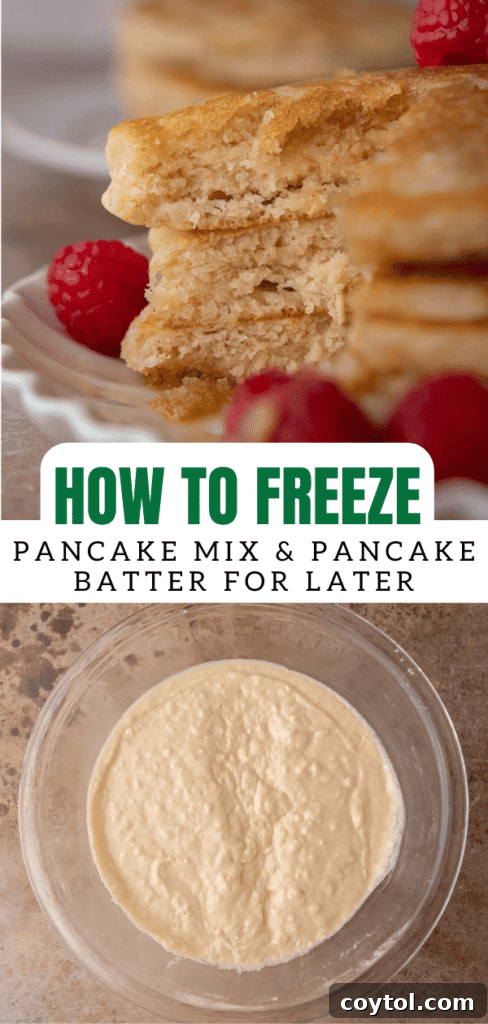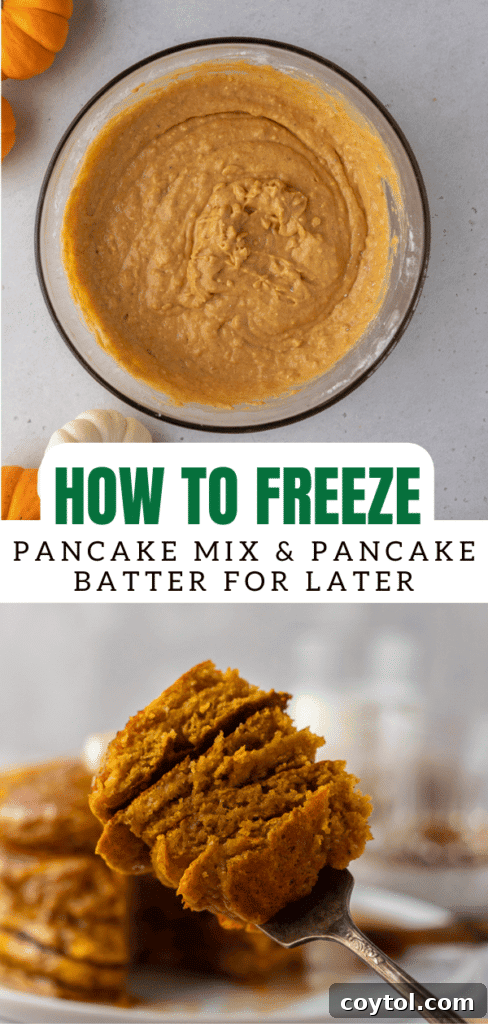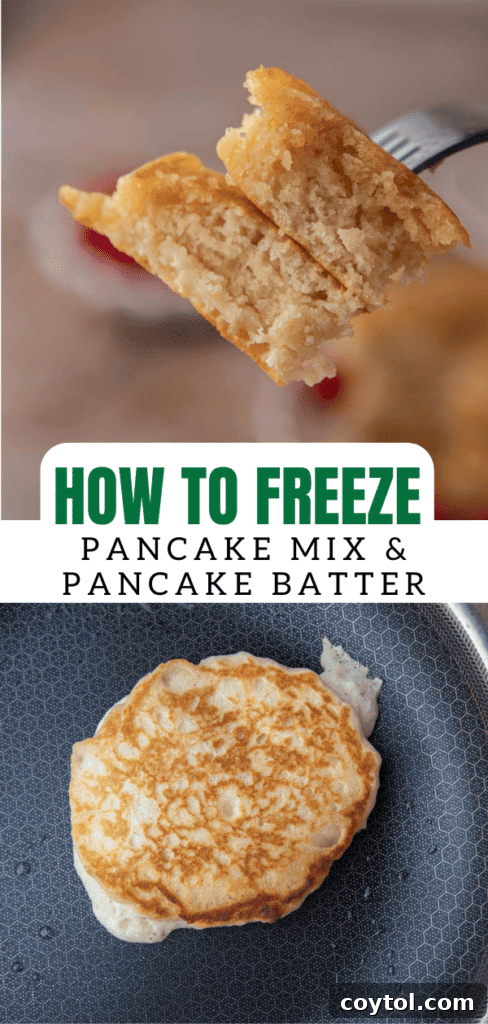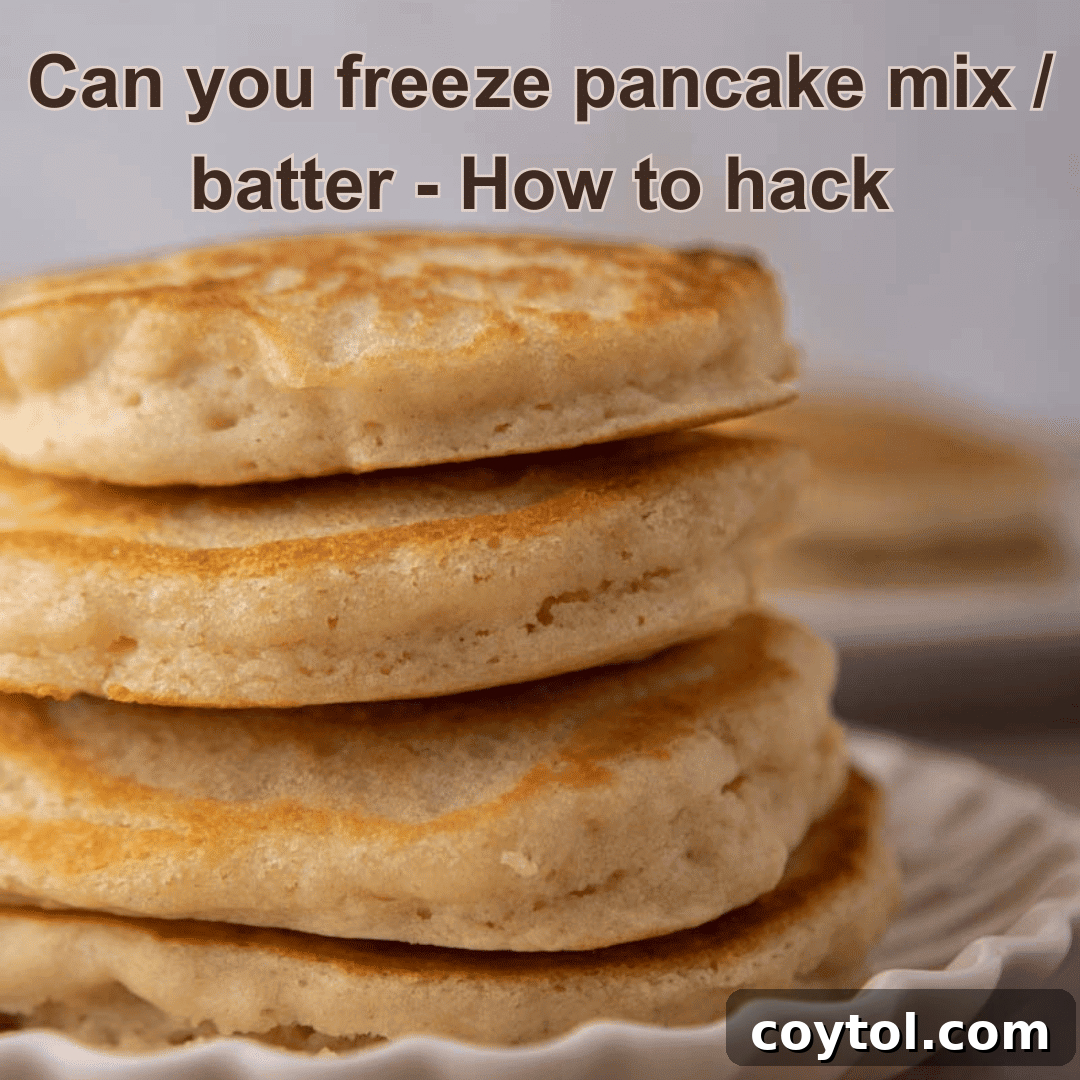
Whipping up a batch of fluffy, golden pancakes is a cherished breakfast tradition for many families. The aroma alone can transform an ordinary morning into something special. However, the reality of busy schedules often means that fresh, from-scratch pancakes aren’t always feasible. We crave that homemade comfort, but time isn’t always on our side. This often leads to leftover batter or an unused box of mix nearing its expiration date, posing a dilemma: how can we enjoy the convenience of pancakes without sacrificing quality or contributing to food waste?
The solution lies in the freezer! Whether you’re wondering how to freeze pancake batter, how to store dry pancake mix for extended periods, or even how to save already cooked pancakes for a quick reheat, this comprehensive guide has you covered. By mastering simple freezing techniques, you can ensure that delicious pancakes are always just a few steps away, saving you precious time and money while reducing waste. Get ready to embrace the ultimate pancake hack and bring consistent joy to your breakfast table!
While you’re here learning about clever pancake storage, don’t miss out on these fantastic resources to elevate your pancake game:
- Discover how to make boxed pancakes taste even better with these simple tips and recipes.
- Transform your mix into delightful treats with this pancake mix blueberry muffin recipe.
- For a quick and easy dessert, try this Easy Vanilla Pancake Mix Cake.
- Embrace seasonal flavors with this super easy pumpkin pancake mix pancakes recipe.
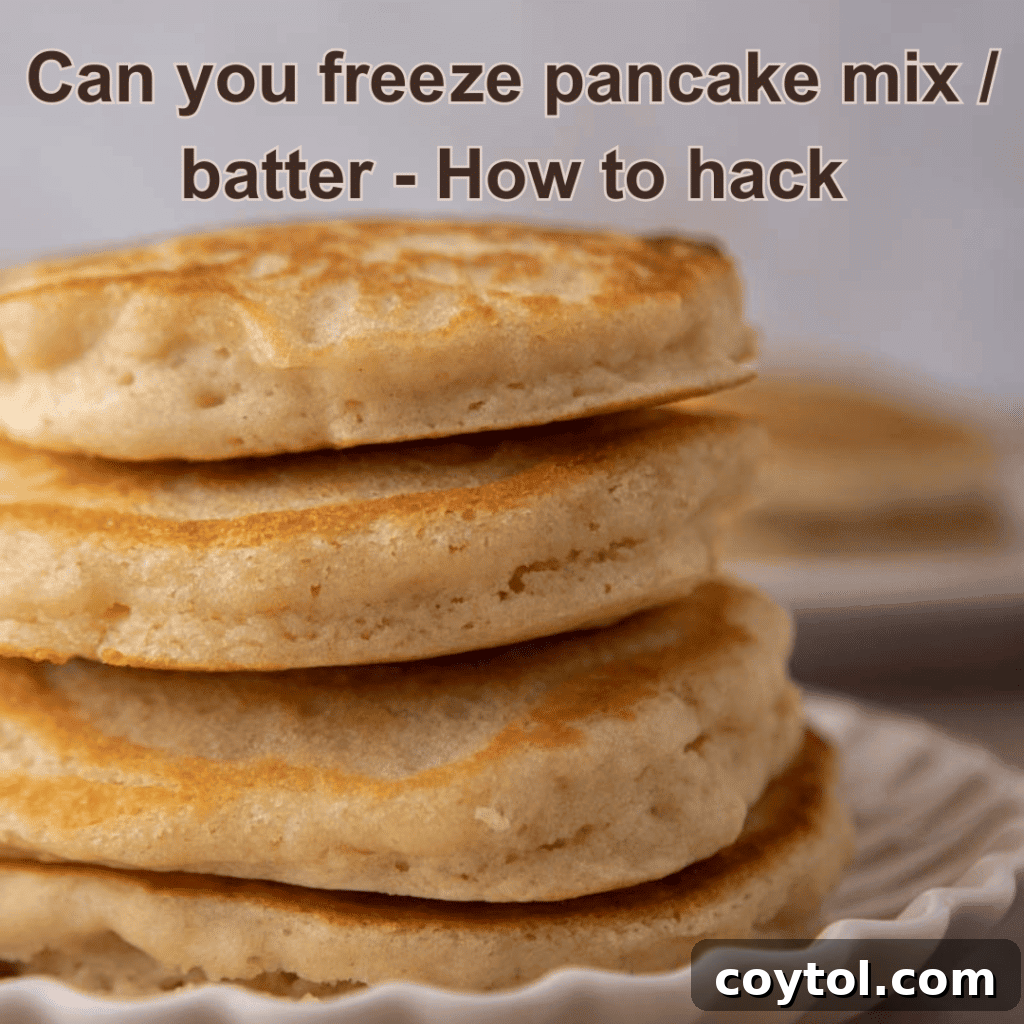
Understanding Pancake Mix: Ingredients and Convenience
Pancake mix is a staple in many kitchens, lauded for its sheer convenience. It’s essentially a pre-portioned blend of dry ingredients that simplifies the pancake-making process, allowing you to create a delicious breakfast without having to measure out individual components from scratch. Typically, a standard pancake mix contains:
- Flour: The primary structural component, usually all-purpose wheat flour.
- Leavening Agent: Most commonly baking powder (a combination of baking soda and an acid), which is crucial for creating light, fluffy pancakes by producing carbon dioxide gas when mixed with liquid and heated.
- Salt: Enhances flavor and balances sweetness.
- Sugar: Adds sweetness and aids in browning.
- Other Dry Ingredients: Some mixes might include dry milk powder, emulsifiers, or flavorings for added richness and stability.
The beauty of pancake mix lies in its simplicity. The box usually instructs you to just add wet ingredients like eggs, milk (or buttermilk), oil, or even just water, and then you’re ready to cook. This eliminates the need for weighing and sifting, making it an ideal choice for busy mornings or when you simply want a hassle-free meal. While homemade batter from scratch offers customization, a good quality pancake mix provides consistent results and a significant time-saver.
Why Freezing Pancake Mix and Batter Is a Game-Changer
Freezing pancake mix, batter, or even fully cooked pancakes might seem unconventional at first, but it offers a multitude of practical benefits that make it an invaluable kitchen hack. Here are the primary reasons why you should consider freezing your pancake components:
- Exceptional Preservation: Dry pancake mix, like most dry goods, has a decent shelf life in the pantry. However, exposing it to the consistent cold of a freezer significantly extends its usability, often far beyond the printed “best by” date. For batter, freezing is a superior alternative to refrigeration, which typically only keeps batter fresh for a few days before spoilage. This is especially vital for the leavening agents (baking powder) in the mix, as their potency can diminish over time, leading to flat pancakes. Freezing helps maintain their effectiveness.
- Unbeatable Convenience: Imagine waking up on a lazy weekend morning, craving pancakes, but realizing you’re out of milk or eggs. Or perhaps you’ve got unexpected guests. Having pre-portioned, frozen pancake batter or ready-to-reheat cooked pancakes means you’re always prepared. It eliminates last-minute grocery runs and dramatically cuts down on prep time, making a homemade breakfast a quick reality even on the busiest weekdays. This foresight truly transforms meal preparation into a seamless experience.
- Effective Waste Reduction: If you occasionally buy large containers of pancake mix but don’t use them frequently, there’s a real risk of the mix going stale or the leavening agents losing their power before you can finish it. Similarly, leftover homemade batter often gets discarded if not used within a few days. Freezing provides an excellent solution, preventing perfectly good ingredients from ending up in the bin. By extending the usability of your pancake ingredients, you contribute to a more sustainable kitchen and save money in the long run.
- Cost Savings: Buying ingredients in bulk or taking advantage of sales is a smart way to save money. Freezing allows you to do this with pancake mix without worrying about spoilage. You can stock up when prices are low, knowing your investment is secure for months, even years.
- Meal Prep Perfection: For those who love to plan ahead, freezing pancakes or batter is a meal prep dream. You can dedicate a block of time to make a large batch, freeze it, and enjoy quick, delicious breakfasts throughout the week or month without any extra effort each morning.
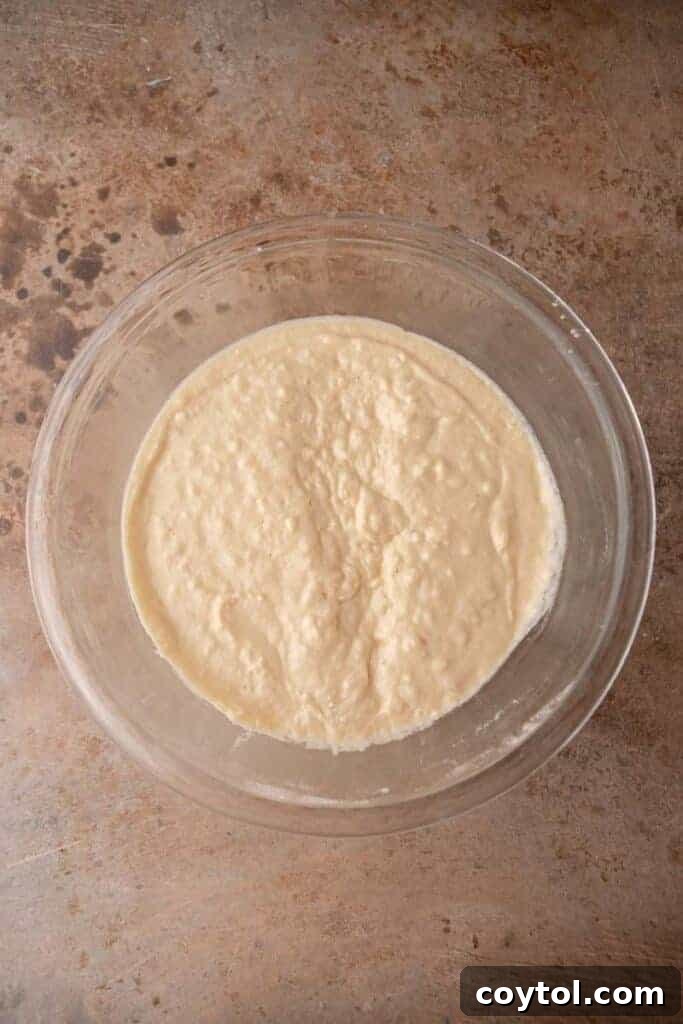
Long-Term Storage Solutions for Dry Pancake Mix
Dry pancake mix is inherently designed for longer storage compared to its liquid counterpart. Its dry nature makes it less susceptible to bacterial growth. However, extending its shelf life significantly, especially for the active leavening agents it contains, requires proper storage. The main concern with dry mix over time is that the baking powder can lose its potency, leading to flat, dense pancakes. Chilling helps to slow down this degradation process considerably.
- Storing Dry Pancake Mix in the Refrigerator:
- Preparation: Transfer your dry pancake mix into an airtight container or a heavy-duty, resealable bag (like a Ziploc freezer bag). You can also use the original bag if it’s designed for resealing and is robust, but an additional layer of protection is always beneficial. The key is to prevent moisture absorption and exposure to air.
- Placement: Place the sealed container or bag in your refrigerator.
- Duration: Stored in the fridge, dry pancake mix can maintain its quality and leavening power for up to 6 months beyond its printed expiration date.
- Storing Dry Pancake Mix in the Freezer:
- Preparation: For the longest possible storage, place your pancake mix into a heavy-duty freezer bag or an airtight, freezer-safe container. Before sealing, try to remove as much excess air as possible from the bag or container. This helps prevent freezer burn and preserves the mix’s quality.
- Labeling: Always label your container with the date you stored it. This seemingly small step is crucial for good pantry management and ensures you use the mix within its optimal timeframe.
- Duration: When stored correctly in the freezer, dry pancake mix can remain viable and effective for up to 24 months (2 years). This is an excellent option for bulk purchases or homemade dry mix blends.
The Big Question: Can You Freeze Pancake Batter?
Absolutely, yes! Freezing pancake batter is not only possible but highly recommended for anyone looking to streamline their breakfast routine, reduce food waste, or simply have a quick, delicious meal ready at a moment’s notice. While storing leftover batter in the refrigerator might keep it fresh for about 3-4 days, freezing extends its life exponentially, allowing you to enjoy fresh-tasting pancakes weeks or even months down the line.
This method works wonderfully for both homemade pancake batter and batter prepared from a store-bought mix. It preserves the texture and flavor, ensuring that once thawed and cooked, your pancakes are just as fluffy and delicious as if they were made from freshly mixed batter. The convenience of simply pulling out a bag of pre-made batter and thawing it overnight or quickly in a water bath makes it a true breakfast game-changer.
Step-by-Step Guide: How to Freeze Leftover Pancake Batter
Freezing pancake batter is a straightforward process that will save you time and effort in the future. Follow these simple steps for optimal results:
- Choose the Right Container:
- Freezer Bags: Large, heavy-duty freezer bags are excellent for freezing batter. Pour the batter into the bag, pressing out as much air as possible before sealing. Lay it flat on a baking sheet to freeze, which saves space and allows for quicker thawing.
- Freezer-Safe Containers: Airtight, freezer-safe plastic or glass containers are also a great option. Choose containers that allow for minimal air space above the batter.
- Ice Cube Trays: For individual, small portions perfect for single servings or quick snacks, pour batter into ice cube trays. Once frozen solid, transfer the pancake batter cubes to a large freezer bag for longer storage. This method is fantastic for “pancake bites” or when you only need a few small pancakes.
- Eliminate Excess Air: Regardless of your chosen container, removing as much air as possible before sealing is critical. Air exposure leads to freezer burn, which can degrade the quality, texture, and flavor of your batter. For freezer bags, gently press the air out as you seal. For containers, ensure the lid is tightly secured.
- Label and Date: Always use a permanent marker to clearly label your container or bag with the contents (“Pancake Batter”) and the date it was frozen. This helps you track freshness and ensures you use older batches first.
- Freeze: Place the prepared batter in your freezer. If using bags, lay them flat initially until frozen solid to create uniform blocks that stack easily.
Frozen pancake batter will maintain its best quality for up to 3 months. While it may still be safe to eat after this period, its texture and leavening power might start to diminish.
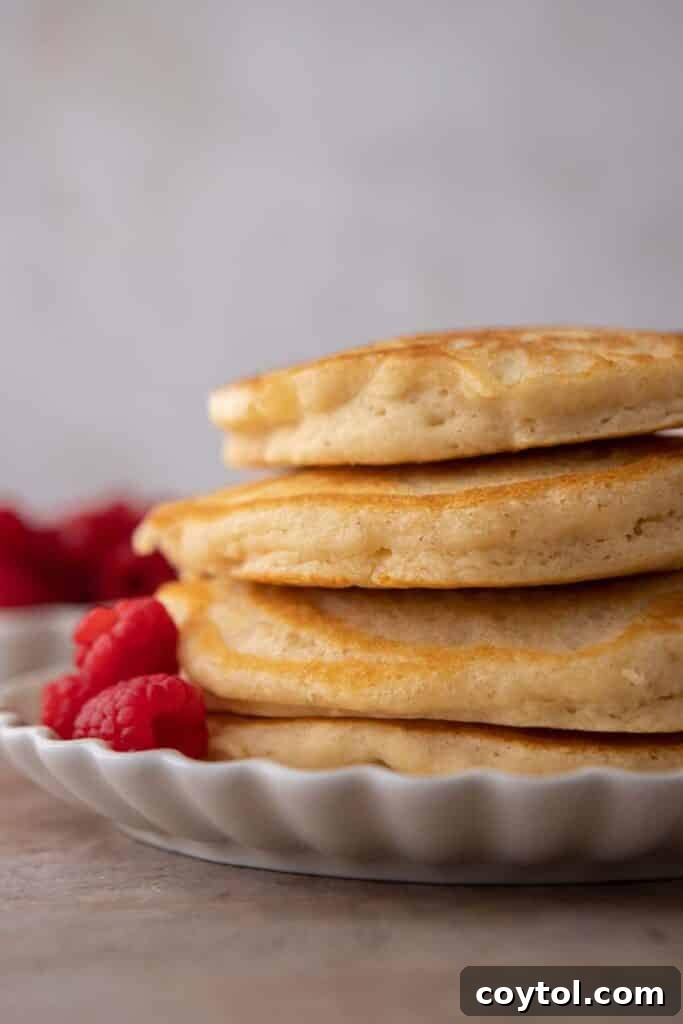
How Long Can Pancake Batter Last in the Freezer?
When properly stored in an airtight, freezer-safe container or bag, pancake batter can last for up to 3 months in the freezer. Beyond this period, while it might still be technically safe to consume, you might notice a decline in quality, such as decreased fluffiness due to weakened leavening agents or a slight change in texture. Always adhere to the “first in, first out” principle by dating your frozen batter.
Thawing Frozen Pancake Batter: Best Methods
Successfully thawing your pancake batter is key to achieving delicious, fluffy results. Here are the most effective methods:
- Overnight in the Refrigerator (Recommended Method):
- Method: The safest and most recommended way to thaw pancake batter is to remove it from the freezer and place it in the refrigerator overnight (for 8-12 hours).
- Benefits: This slow thawing process helps maintain the integrity of the batter and ensures an even temperature throughout.
- Preparation for Cooking: The next morning, give the batter a good stir to recombine any separated ingredients. It should be ready to cook like fresh batter.
Important Note: While convenient, this method requires foresight. Once thawed, use the batter within 1-2 days. Do not refreeze thawed batter.
- Quick Thaw in Cold Water:
- Method: If you’re short on time, you can thaw frozen batter (especially if stored in a freezer bag) in a bowl of cold water. Place the sealed bag of batter into a larger bowl and fill it with cold tap water.
- Duration: Change the water every 30 minutes to keep it cold. A typical bag of batter might thaw in 1-2 hours depending on its thickness.
- Important: Never use hot water, as this can start to cook the batter unevenly and affect its texture.
For pancake batter frozen in ice cube trays: You can often cook these directly from frozen on a medium-low griddle. They will take a little longer to cook through, so adjust your heat and cooking time accordingly to ensure they cook evenly without burning.
Achieving Fluffy Pancakes with Thawed Batter
Once your pancake batter is thawed, a few simple steps will ensure you get those perfectly fluffy pancakes you crave:
- Stir It Up: After thawing, the batter may appear a little separated or watery. This is completely normal. Give it a good, gentle stir with a whisk or spoon until it’s smooth and well combined again. Avoid overmixing, as this can develop the gluten in the flour, leading to tougher pancakes. A few small lumps are perfectly fine and often desirable for tenderness.
- Adjust Consistency (If Needed): If your batter seems a bit too thick after thawing and stirring, you can add a tablespoon or two of milk (or water) at a time, mixing gently, until it reaches your desired consistency. If it’s too thin, you can try adding a small amount of extra dry pancake mix or flour, though this is less common with thawed batter.
- Cook as Usual: Heat your griddle or non-stick pan over medium heat. Lightly butter or oil the surface. Pour or scoop your thawed batter onto the hot griddle, just as you would with fresh batter.
- Flipping Cues: Cook until bubbles appear on the surface and the edges look set, then flip and cook the other side until golden brown and cooked through.
- Piping from a Bag: If you froze your batter in a ziplock bag, you can simply roll the bag around to mix the batter. Then, snip off one corner of the bag with scissors and pipe the batter directly onto your griddle. This is a neat trick for making uniformly sized pancakes or even fun shapes!
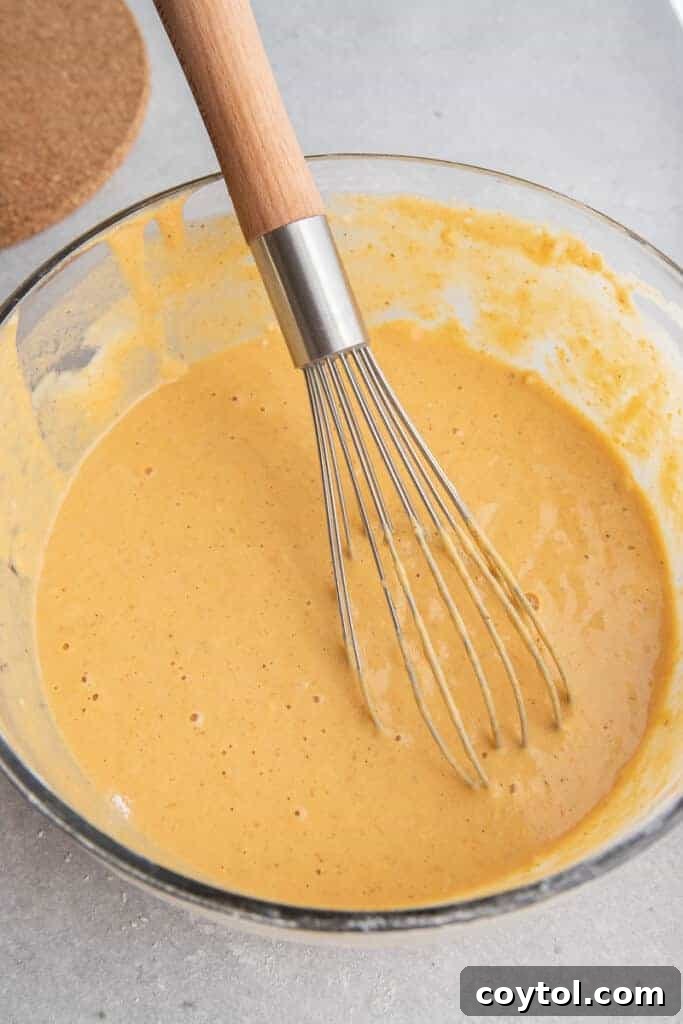
Frequently Asked Questions About Freezing Pancakes
Can you freeze pancake batter with eggs in it?
Yes, absolutely! Most standard pancake batter recipes include eggs, and freezing batter with eggs is perfectly safe and common. The eggs integrate well into the batter and freeze without any significant issues. The thawed batter will be safe to eat and cook into delicious pancakes, provided it’s used within the 3-month storage period.
However, there’s one exception: If your pancake recipe specifically calls for whipping egg whites separately and then folding them into the batter for extra lightness (like a soufflé-style pancake), it’s generally not recommended to freeze that particular batter. The delicate structure of whipped egg whites tends to break down during freezing and thawing, resulting in thinner, less airy pancakes.
Why is my pancake batter lumpy? Is it bad?
Lumpy pancake batter is not only completely normal but often preferred by experienced cooks! Those small lumps are actually a good sign that you haven’t overmixed your batter. Overmixing can develop the gluten in the flour, leading to tough, chewy pancakes.
The lumps in your batter contain pockets of dry flour that will hydrate during cooking, creating tiny air pockets. These air pockets are what contribute to perfectly tender, moist, and flavorful pancakes. So, resist the urge to whisk out every single lump; a few small ones will result in a superior texture!
Can you freeze cooked pancakes as well?
Yes, you absolutely can! Freezing already cooked pancakes is a fantastic way to have ready-to-eat breakfasts or snacks at your fingertips. It’s incredibly convenient for meal prep and ensures you always have a quick option when cravings strike. This is particularly useful if you make a very large batch and want to store the excess.
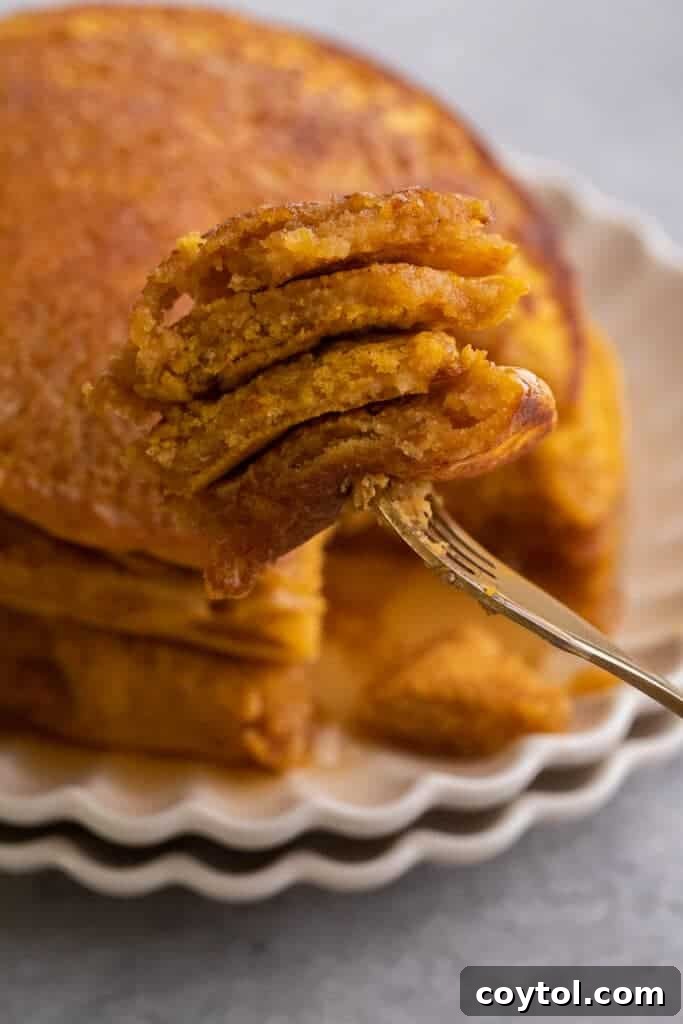
How to Freeze Cooked Pancakes for Future Enjoyment
Freezing cooked pancakes is a simple process that guarantees a quick and easy breakfast or snack anytime. Follow these steps for best results:
- Cool Completely: This is the most crucial step. After cooking, lay your pancakes in a single layer on a wire rack to cool down fully. Any residual heat will create condensation in your storage container, leading to ice crystals and soggy pancakes. Ensure they are at room temperature before proceeding.
- Flash Freeze (Optional but Recommended): For best results and to prevent pancakes from sticking together, arrange the completely cooled pancakes in a single layer on a baking sheet lined with parchment paper. Place the baking sheet in the freezer for about 30 minutes to 1 hour, or until the pancakes are firm. This “flash freezing” step ensures each pancake freezes individually.
- Layer and Store: Once flash-frozen (or simply cooled if you skip flash freezing), stack your pancakes with a piece of parchment paper or wax paper between each one. This prevents them from sticking together and makes it easy to grab just one or two at a time.
- Airtight Container: Transfer the stacked pancakes into a heavy-duty freezer bag or an airtight, freezer-safe container. Press out as much air as possible from bags.
- Label and Freeze: Label the container with the date. Cooked pancakes can be stored in the freezer for up to 3 months.
Cooked Pancakes vs. Frozen Batter: Which Is Better?
The choice between freezing cooked pancakes or freezing pancake batter largely comes down to personal preference and how you plan to use them. Both methods offer fantastic convenience, but they cater to slightly different needs:
- Freezing Pancake Batter:
- Pros:
- Freshly Cooked Taste: You get that delightful experience of cooking fresh pancakes, with the aroma filling your kitchen.
- Customization: You can add mix-ins like fresh berries, chocolate chips, or nuts right before cooking, allowing for variety.
- Texture: Often yields the closest result to scratch-made pancakes in terms of fluffiness and tenderness.
- Cons:
- Thawing Time: Requires planning, as the batter needs time to thaw (usually overnight in the fridge).
- Cooking Time: You still need to dedicate time to standing at the griddle and cooking each pancake.
- Pros:
- Freezing Cooked Pancakes:
- Pros:
- Ultimate Convenience: Simply pull them out and reheat. They’re ready in minutes with minimal effort.
- No Prep/Cook Time: Ideal for extremely busy mornings or when you need an instant meal.
- Portion Control: Easy to grab just one or two without dealing with an entire batch of batter.
- Cons:
- Reheated Texture: While good, they might not be quite as fluffy or fresh-tasting as pancakes cooked from thawed batter.
- Limited Customization: Mix-ins must be added during the initial cooking.
- Pros:
Conclusion: If you value the experience of cooking fresh and enjoy adding last-minute ingredients, freezing batter is your best bet. If speed and absolute minimal effort are your top priorities, then freezing cooked pancakes will be your go-to. Many households find value in doing both to cover all their breakfast needs!
Essential Tools for Freezing Pancakes and Batter
Having the right tools makes the freezing process much easier and ensures optimal results:
- Heavy-Duty Freezer Bags: Essential for preventing freezer burn and allowing for flat, space-saving storage of batter.
- Airtight Freezer-Safe Containers: Durable options for both dry mix and batter, available in various sizes for portion control.
- Ice Cube Trays: Perfect for freezing small, individual portions of batter.
- Parchment Paper or Wax Paper: Crucial for layering between cooked pancakes to prevent sticking.
- Baking Sheets: Useful for flash-freezing cooked pancakes or laying batter bags flat.
- Permanent Marker and Labels: Absolutely vital for dating and identifying contents to ensure freshness and proper rotation.
- Whisk or Spoon: For stirring batter after thawing.
Tips for Perfect Freezing Results
- Always Cool Completely: Whether it’s dry mix (allowing it to reach room temperature before packaging) or cooked pancakes, ensure everything is completely cool before freezing to prevent condensation and ice crystals.
- Remove Air: Air is the enemy of frozen food. Always remove as much air as possible from your storage bags and ensure containers are tightly sealed to prevent freezer burn.
- Portion Control: Freeze batter or pancakes in quantities you’re likely to use at one time. This prevents unnecessary thawing and refreezing, which degrades quality.
- Label Everything: Don’t underestimate the power of a clear label with contents and date. You’ll thank yourself later!
- Consider Buttermilk Batter: Buttermilk batters tend to freeze and thaw very well, often retaining their excellent texture.
Creative Uses for Your Frozen Pancake Stash
Beyond traditional breakfast stacks, frozen pancakes and batter offer surprising versatility:
- Pancake Sandwiches: Use cooked pancakes as bread for sweet or savory breakfast sandwiches.
- Pancake “Tacos”: Fill smaller cooked pancakes with yogurt, fruit, or even scrambled eggs.
- Dessert Bases: Layer cooked pancakes with cream, fruit, or chocolate for a quick dessert.
- Quick Snacks: Thawed batter cubes can be quickly pan-fried for mini pancake snacks.
- Casseroles: Tear cooked pancakes into pieces and use them in breakfast casseroles.
Conclusion: Embrace the Freezer for Pancake Perfection
Freezing pancake mix, batter, and even cooked pancakes is a simple yet incredibly effective strategy for streamlining your kitchen, reducing waste, and ensuring that delicious, homemade breakfast is always within reach. By following the tips and instructions outlined in this guide, you can confidently extend the life of your pancake ingredients and components, allowing you to enjoy fluffy, flavorful pancakes whenever the craving strikes, without the stress of last-minute prep.
Whether you’re a busy parent, a meal prep enthusiast, or simply someone who loves the joy of pancakes, incorporating these freezing techniques into your routine will undoubtedly simplify your life and elevate your breakfast game. So go ahead, make that extra batch, and fill your freezer with the promise of future pancake happiness!
If you found this guide helpful, we encourage you to share it with friends and family. Pin it to your favorite breakfast or meal prep board on Pinterest so you can easily reference it whenever you need!