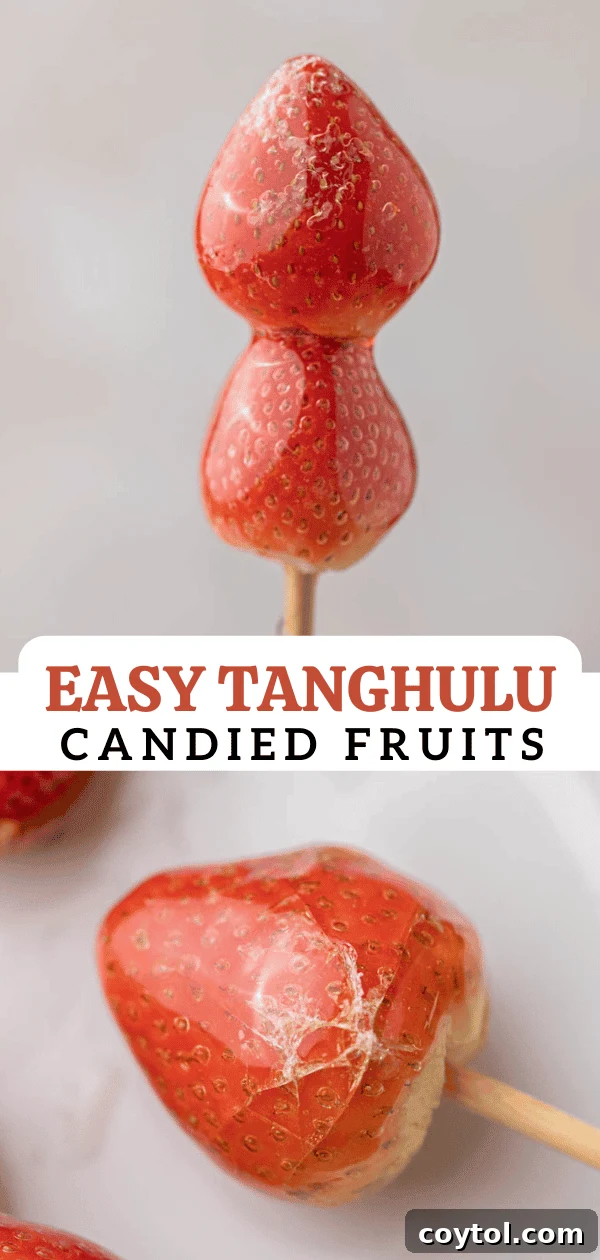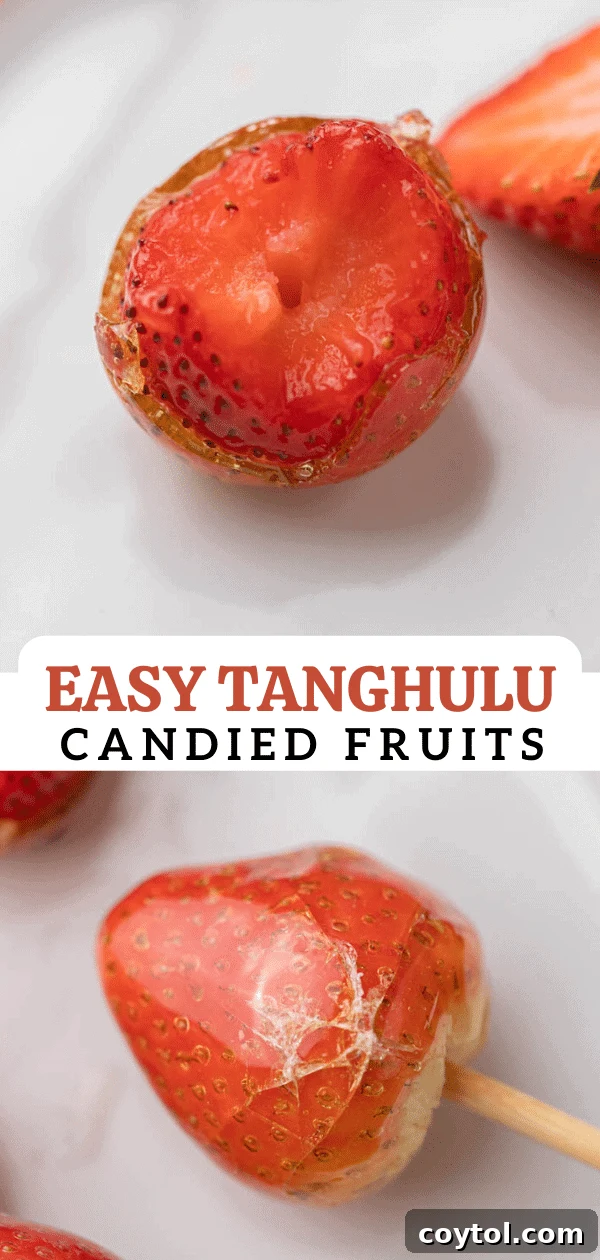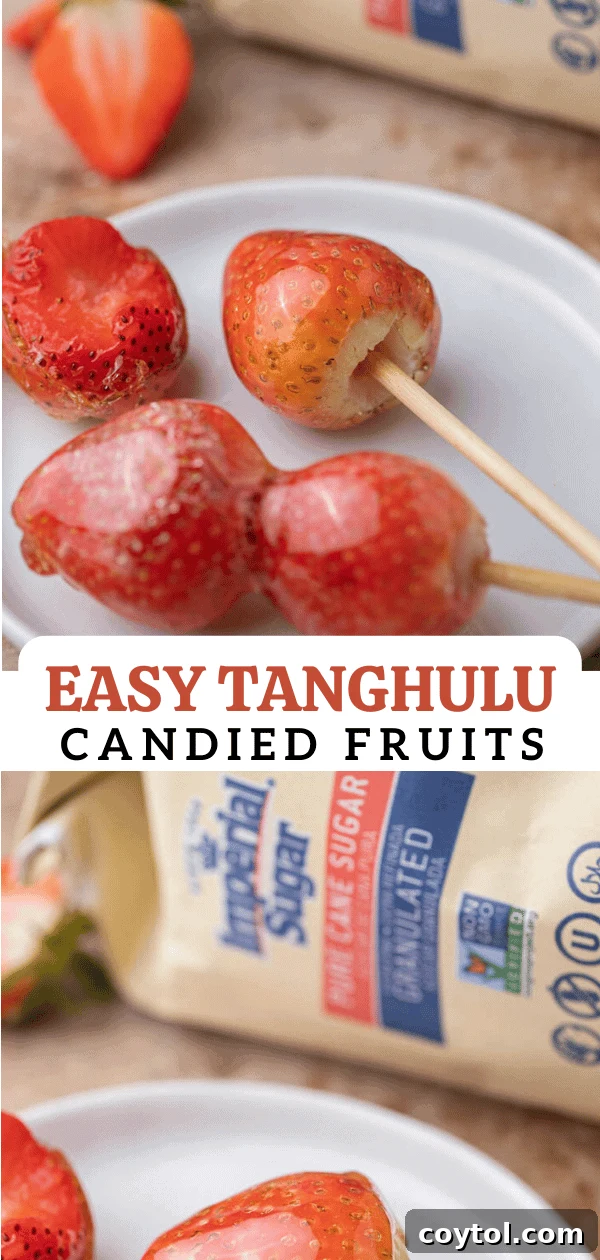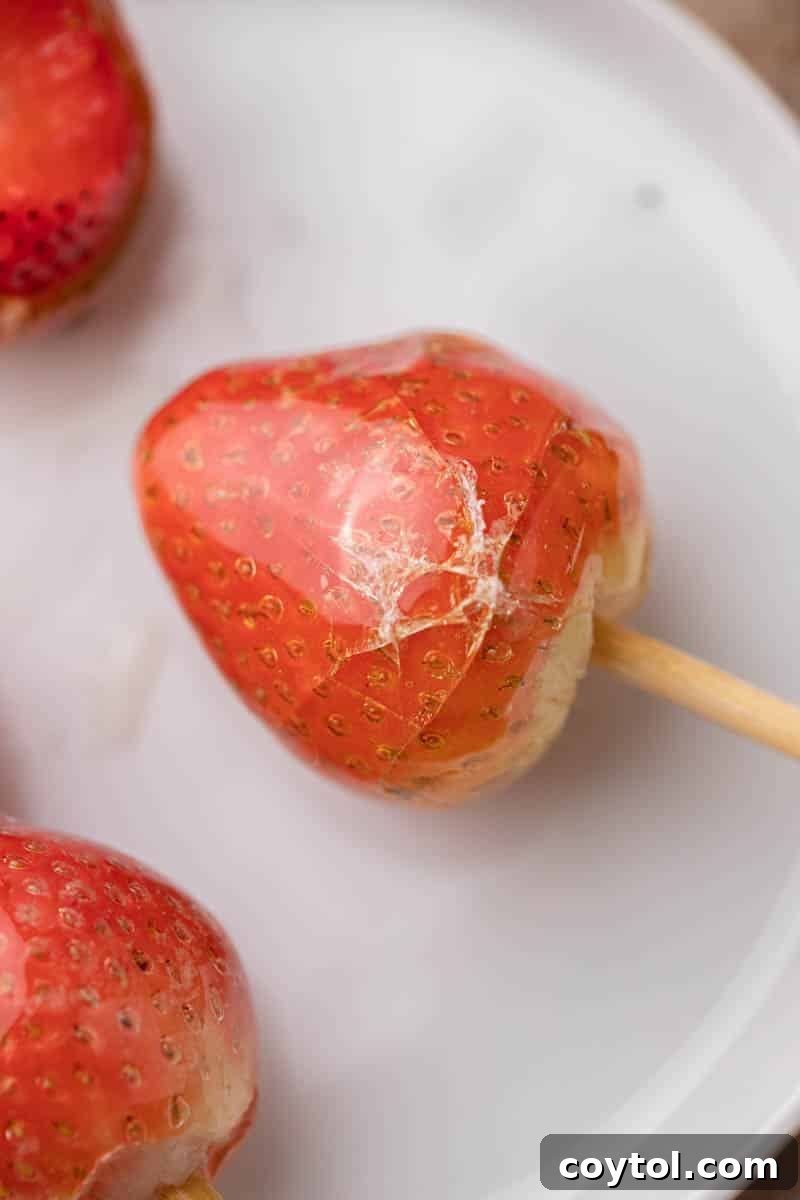
Welcome to the ultimate guide for creating Tanghulu, a delightful Chinese candied fruit snack that promises a burst of sweet crunch with every bite! This recipe offers one of the simplest and most enchanting ways to transform fresh, juicy fruits into a captivating treat, encased in a shimmering, hard candy shell. Originally a beloved Chinese street snack, Tanghulu has captured hearts worldwide, admired for its beautiful presentation, irresistible texture, and delicious flavor profile.
If you’re eager to explore more delightful fruit-based creations, we highly recommend checking out our homemade strawberry milk recipe for a creamy, refreshing drink, our decadent strawberry blondie recipe, and these incredible strawberry shortcake cookies. These recipes offer unique ways to enjoy the vibrant taste of fresh strawberries.

The Sweet Craze: Why Tanghulu is Everywhere!
You’ve likely seen this mesmerizing candied fruit gracing your social media feeds lately, and for good reason! The visual appeal of perfectly glossy, fruit-laden skewers is simply captivating. The moment I started seeing Tanghulu trending, I knew I had to master the art of making it at home. My goal was to develop a foolproof method that ensures a restaurant-quality result right on your very first attempt, delivering that coveted crisp sugar shell and tender fruit interior.
One of the best aspects of Tanghulu is its versatility. You can use a variety of fruits you probably already have on hand. However, for the absolute best results, certain fruits shine brighter than others, and specific tips are crucial for achieving that signature hard-crack candy coating. Continue reading to discover which fruits work best and all the essential secrets for success when crafting this delightful sweet treat.
With this comprehensive guide, you’ll gain the confidence and knowledge to transform everyday fruits into a spectacular candy-coated masterpiece, all from the comfort of your own kitchen! Prepare to impress your friends and family with this visually stunning and incredibly tasty snack.
What is Tanghulu? The Iconic Chinese Candied Fruit
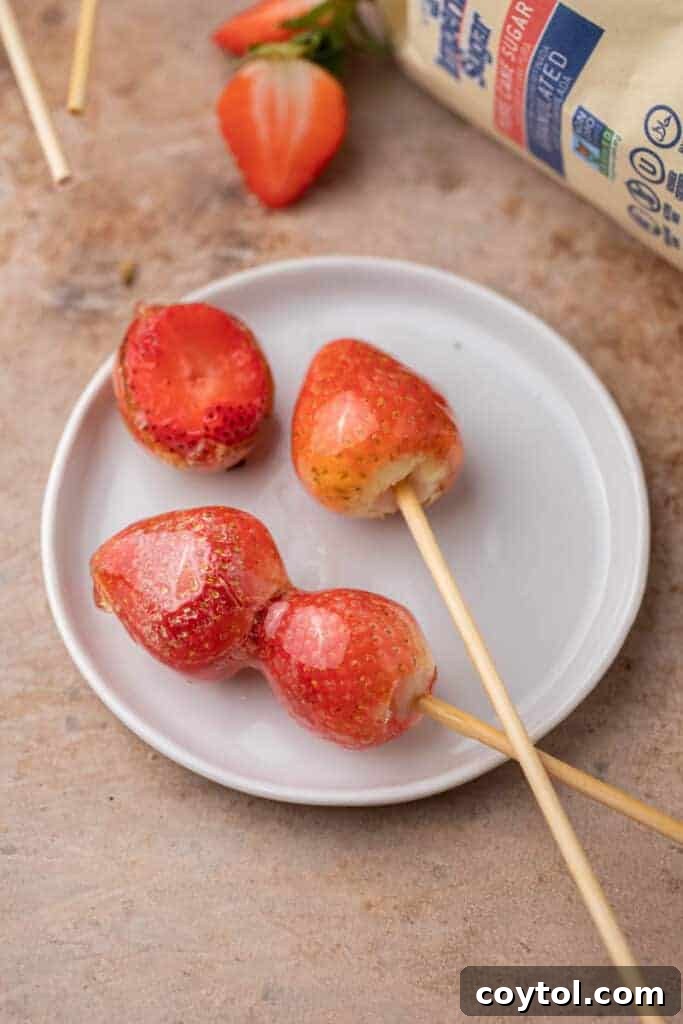
Tanghulu is a renowned traditional Chinese street food originating from northern China, where it has been cherished for centuries. At its heart, Tanghulu consists of fresh fruits, typically skewered on bamboo sticks, meticulously dipped in a piping hot, clear sugar syrup, and then rapidly cooled in an ice water bath. This quick thermal shock causes the sugar syrup to instantly harden into a beautifully glossy, crisp, and crackling candy coating, creating a delightful contrast with the soft, juicy fruit beneath.
This simple yet ingenious method elevates fresh fruit into an exciting sensory experience, combining sweetness, tartness, and an addictive crunch. It’s not just a snack; it’s a cultural icon, representing a blend of culinary heritage and joyful indulgence that has recently found widespread global appeal.
A Journey Through Time: The Rich History and Origin of Tanghulu
Known historically as Bingtang Hulu, Tanghulu is a traditional Northern Chinese street snack with roots stretching back hundreds of years, potentially even to the Song Dynasty. Traditionally, it was made with Chinese hawthorn berries (山楂, shānzhā), known for their tart and slightly bitter flavor, which perfectly complemented the sweet molten sugar coating. These berries, threaded onto slender bamboo skewers, were (and still are) dipped in a hot sugar syrup, forming a clear, glossy, and audibly crackling shell.
Legend often links its origin to the Song Dynasty. One popular tale recounts that an ailing imperial concubine, suffering from a loss of appetite, was cured by a palace doctor who prescribed hawthorn fruits coated in sugar. This innovative remedy not only restored her health but also became a beloved snack among the populace. Over the centuries, while hawthorn remains the classic choice, the snack has evolved, embracing a wider variety of modern fruits such as vibrant strawberries, plump grapes, tangy kiwi, and juicy orange segments, making it accessible and appealing to diverse palates around the world.
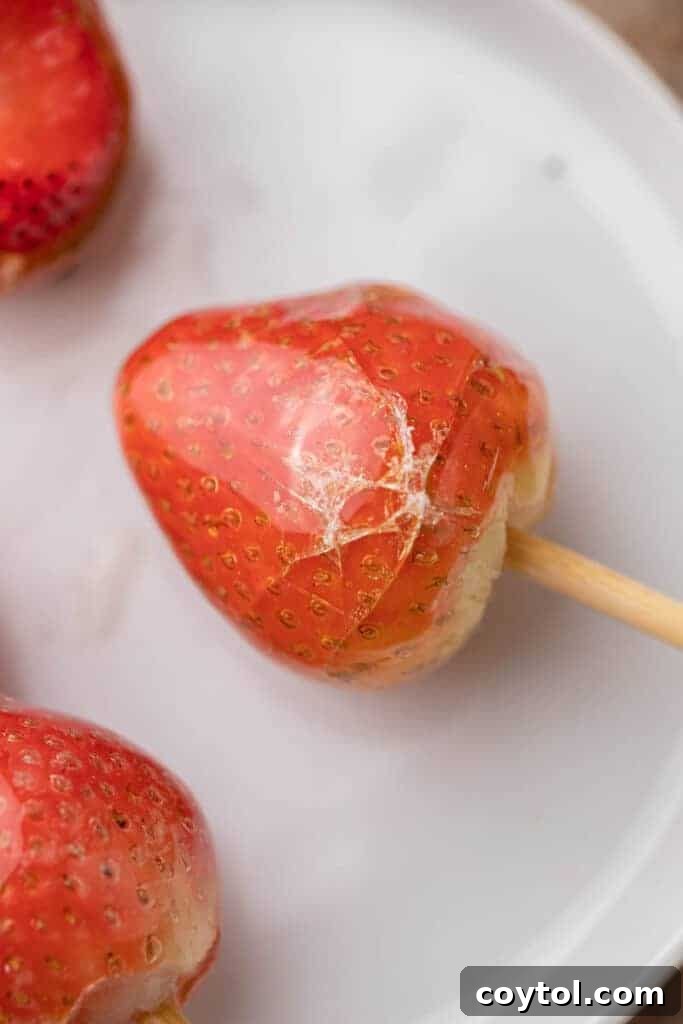
The Irresistible Taste and Texture of Tanghulu
Tanghulu offers an exquisite blend of flavors and textures that make it truly unique. At first bite, you’re greeted by an intensely sweet, thin, and remarkably crispy sugar shell that shatters with a satisfying crackle. This initial sweetness then gives way to the refreshing, natural flavors of the fruit inside. Depending on your choice of fruit, you might experience a burst of juicy sweetness, a tangy tartness, or a delightful combination of both.
The magic of Tanghulu lies in this delightful textural contrast: the delicate, glassy crunch of the candy coating perfectly complementing the soft, often succulent, and refreshing fruit. The experience is both playful and sophisticated, leaving a memorable impression that makes you crave another piece.
Why This Homemade Tanghulu Recipe is a Must-Try!
There are countless reasons to add this Tanghulu recipe to your culinary repertoire. It’s more than just a snack; it’s an experience:
- Effortlessly Simple & Joyfully Fun: This recipe is surprisingly easy to follow, making it perfect even for beginner home cooks. The process is engaging and incredibly rewarding, especially when you achieve that perfect crackle.
- Remarkably Versatile: Embrace the seasons! Tanghulu can be made with a wide array of fruits, allowing you to customize your skewers based on what’s fresh and in season. From berries to citrus, the possibilities are endless.
- No Corn Syrup Required: While some recipes might call for corn syrup to prevent crystallization, our method focuses on pure sugar and water, ensuring an authentic taste and a beautiful, clear coating without needing additional ingredients (though we’ll mention it as an optional stabilizer).
- A Feast for the Eyes and Palate: Tanghulu is undeniably a visually stunning treat. Its glossy, translucent shell glistens, making it look almost too beautiful to eat. Yet, its incredible taste surpasses even its gorgeous appearance.
- Perfect for Any Occasion: Whether you’re hosting a party, looking for a unique snack, or simply want to impress friends and family with a culinary creation, Tanghulu is a fantastic choice that always sparks conversation and delight.
If you enjoy exploring unique Asian-inspired flavors, you absolutely must try this creamy Korean banana milk recipe or this bright and zesty Yuzu curd recipe. They offer equally delightful and distinctive tastes.
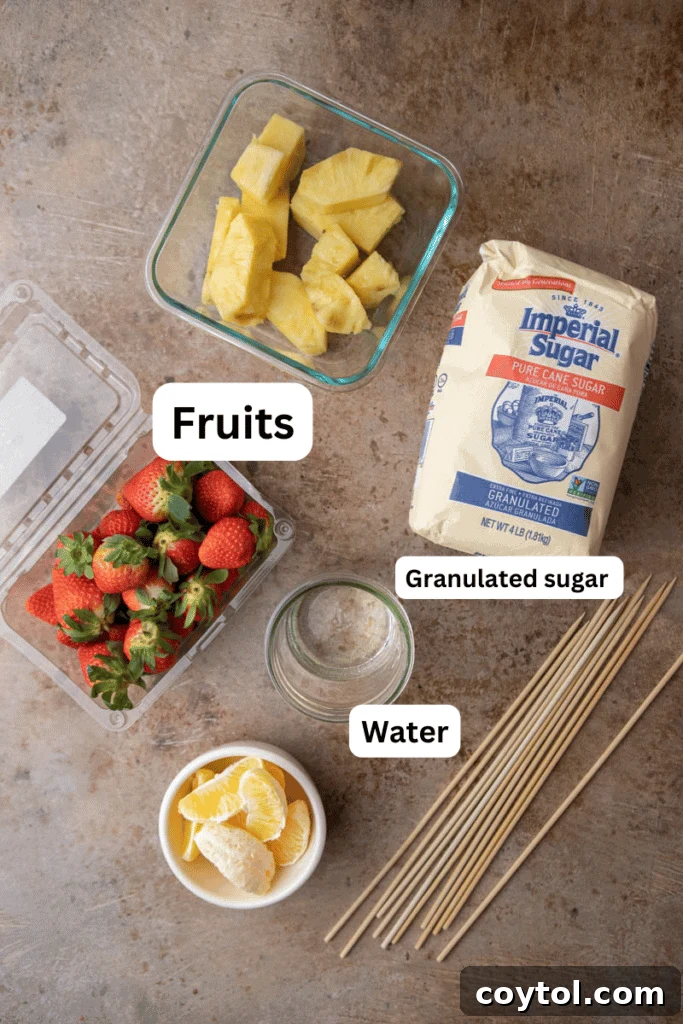
Essential Tools for Perfect Tanghulu
Having the right equipment on hand can make all the difference in achieving perfect Tanghulu. Here’s what you’ll need:
- **Medium Heavy-Bottomed Saucepan:** A thick-bottomed pan ensures even heating and helps prevent the sugar syrup from burning.
- **Candy Thermometer:** This is arguably the most crucial tool. It guarantees accuracy in reaching the critical “hard-crack” stage (300°F/150°C), which is essential for a truly crispy shell.
- **Wooden Skewers:** Long bamboo skewers are ideal for threading fruits and safely dipping them into the hot syrup, keeping your hands away from the heat.
- **Large Bowl with Ice Water (Ice Bath):** Essential for rapidly cooling and hardening the sugar coating immediately after dipping.
- **Parchment Paper or Silicone Mat:** For placing the finished Tanghulu to cool and set without sticking.
- **Pastry Brush (Optional but Recommended):** A wet pastry brush can be used to gently brush down any sugar crystals that form on the sides of the saucepan during boiling, preventing crystallization of the entire syrup.
Selecting and Preparing Your Fruits for Tanghulu
Choosing the right fruits and preparing them correctly are vital steps for successful Tanghulu. The ideal fruits are firm, not overly juicy, and thoroughly dry.
- **Best Fruits for Tanghulu:**
- **Strawberries:** A classic choice, offering a perfect balance of sweetness and a hint of tartness.
- **Grapes:** Seedless varieties work best, providing a delightful pop of juice.
- **Blueberries:** Small and sweet, they make charming bite-sized Tanghulu.
- **Kiwi:** Peel and slice into thick rounds or wedges for a tangy contrast to the sweet coating.
- **Mandarin Orange Segments:** Ensure they are fully separated and dry.
- **Pineapple Chunks:** Cut into small, manageable pieces.
- **Chinese Hawthorn Berries:** For an authentic, traditional experience, if you can find them!
- **Fruits to Approach with Caution or Avoid:**
- **Very Soft Fruits:** Raspberries and blackberries tend to break apart easily when handled and are too delicate for the hot syrup.
- **Overly Watery Fruits:** Watermelon or very ripe peaches can release too much moisture, making the sugar shell sticky or difficult to harden.
- **Preparation Tips:**
- **Thoroughly Wash and Dry:** This cannot be stressed enough. Any moisture on the fruit will cause the sugar syrup to crystallize or become sticky, preventing a clear, hard shell. Pat them impeccably dry with paper towels.
- **Skewer Neatly:** Thread 2-5 pieces of fruit per wooden skewer, depending on their size. Ensure there’s enough space between fruits for even coating and that the skewer isn’t overloaded, which could make dipping difficult.
How to Make Perfect Tanghulu at Home: A Step-by-Step Guide
Crafting this delightful candied fruit snack at home is simpler than you might imagine, provided you follow these crucial steps. Make sure to scroll down to the recipe card for the full detailed instructions and precise measurements!
- **Prepare Your Workspace and Fruits:** Before you even think about the sugar, ensure everything is ready. Wash and thoroughly dry your chosen fruits. Moisture is the enemy of a crisp sugar shell, so pat them completely dry. Thread 2-5 pieces of fruit onto wooden skewers, leaving enough space for the sugar to coat evenly. Have your large ice bath (a bowl filled with ice and water) ready and close by. Also, line a baking sheet with parchment paper or a silicone mat for the finished skewers.
- **Master the Sugar Syrup:** In a medium, heavy-bottomed saucepan, combine your granulated sugar and water. Place the pot over medium heat. Insert a candy thermometer, ensuring it doesn’t touch the bottom of the pan. Slowly bring the mixture to a boil and continue heating until it reaches precisely 300°F (150°C). This is the “hard-crack” stage, crucial for the crispy texture. **Important:** Resist the urge to stir the syrup while it’s boiling, as this can cause premature crystallization. If sugar crystals form on the sides of the pan, gently brush them down with a wet pastry brush.
- **No Thermometer Method:** If you don’t have a candy thermometer, you can test the syrup’s readiness. Carefully dip a clean spoon or the tip of a wooden skewer into the boiling syrup, then immediately plunge it into the prepared ice water bath. If the sugar hardens instantly and snaps cleanly when broken, it’s ready!
- **The Rapid Dipping Technique:** As soon as the syrup reaches 300°F (150°C), immediately remove the pot from the heat and turn down the stove to its lowest setting (if you need to keep it warm for multiple batches). Working swiftly and carefully, submerge each fruit skewer into the hot sugar syrup. Rotate the skewer quickly to ensure the fruit is coated evenly on all sides. Lift the skewer and allow any excess sugar coating to drip off back into the pot. Speed is critical here, as the syrup will cool and thicken quickly.
- **The Ice Water Shock:** Without delay, plunge the sugar-coated fruit skewer directly into the waiting ice water bath for about 2-4 seconds. This rapid temperature change is what makes the sugar harden into its signature brittle, glossy shell. You’ll hear a subtle crackling sound as it sets.
- **Dry and Serve Immediately:** Remove the hardened Tanghulu from the ice water and place it on your prepared parchment paper or silicone mat to finish cooling and drying. The shell will continue to crackle and harden fully as it cools to room temperature. Tanghulu is best enjoyed immediately after it’s made for the ultimate crispness.
Pro Tip: Preparation is absolutely paramount! Once your sugar syrup reaches its target temperature, you have very little time to work before it begins to set or crystallize. Ensure all your fruits are skewered, your ice bath is ready, and your cooling surface is prepared before you even start heating the sugar.
Cleaning Up: Making Hardened Sugar Disappear from Your Pot
Cleaning a pot with hardened sugar can seem daunting, but it’s surprisingly easy. Simply fill your saucepan with warm water and let it soak for at least an hour, or even overnight. The sugar will gradually dissolve. For a quicker method, fill the pot with water and bring it to a boil over medium heat. The boiling water will dissolve the hardened sugar relatively quickly. Once dissolved, carefully dump out the sugary water and wash the pan as you would normally.
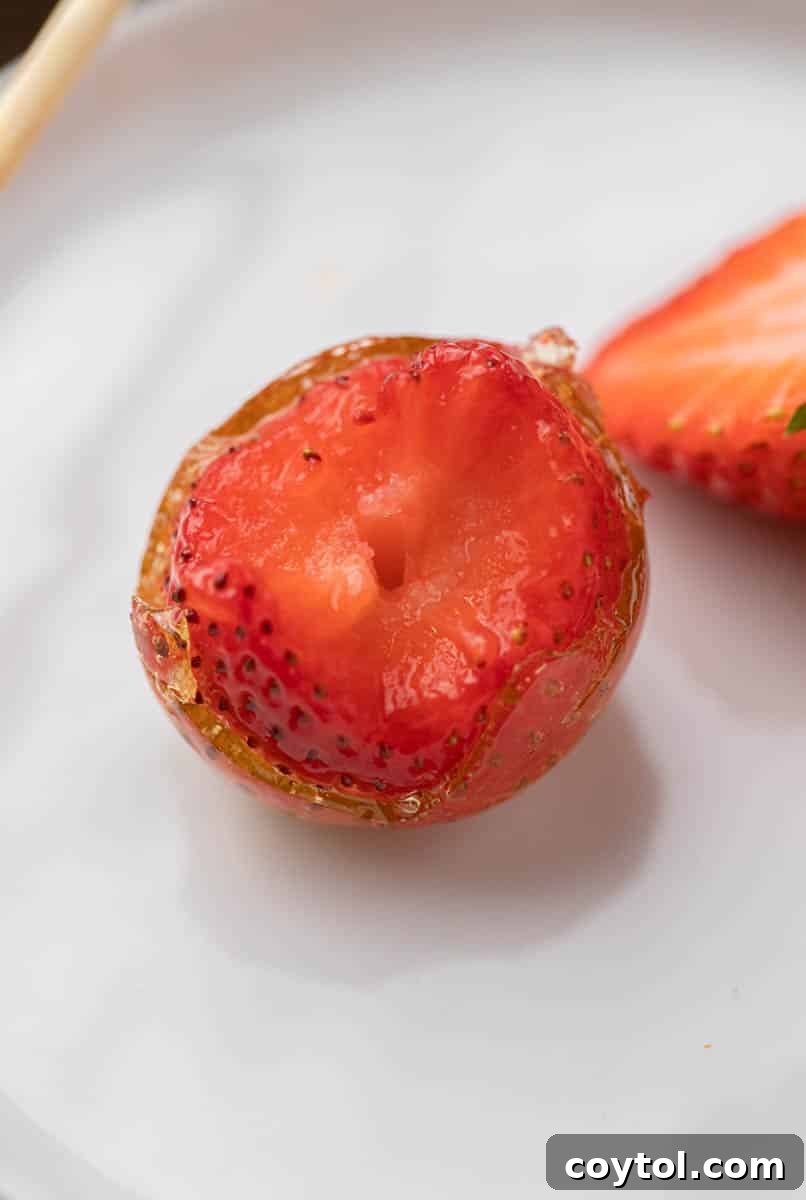
Safety First: Handling Hot Sugar Syrup
Working with hot sugar syrup requires extreme caution, as it can cause serious burns. Please take these precautions to ensure your safety:
- **Stay Focused:** Avoid distractions in the kitchen when making Tanghulu. Hot sugar can quickly become dangerous.
- **Use Appropriate Gear:** Consider wearing heat-resistant gloves if you have them.
- **Brush, Don’t Stir:** If sugar crystals form on the sides of your pan, gently brush them down with a wet pastry brush instead of stirring, which can cause the entire batch to crystallize.
- **Maintain Distance:** Always use long bamboo skewers to hold the fruits, keeping your hands at a safe distance from the intensely hot syrup.
- **Prepare in Advance:** Ensure your ice bath is ready, your parchment paper is laid out, and all fruits are skewered before you even begin heating the sugar. This minimizes frantic movements around hot syrup.
- **Handle Splashes with Care:** If hot sugar splashes onto your skin, immediately run it under cold water for several minutes and seek medical attention if necessary. Do not try to wipe it off with your bare hands.
Tanghulu Troubleshooting and Frequently Asked Questions (FAQ)
Why is my Tanghulu shell sticky or soft?
A sticky or soft sugar shell is almost always due to one of two reasons: either the sugar syrup did not reach a high enough temperature (it needs to hit the hard-crack stage at 300°F/150°C), or there was too much moisture on your fruit. Ensure your candy thermometer is accurate and that your fruits are impeccably dry before dipping. Humidity in the air can also sometimes contribute to a softer shell, so making Tanghulu on a dry day is ideal.
How long does Tanghulu last? Best storage practices.
Tanghulu is truly a treat best enjoyed immediately after preparation. Its signature crispness and crackling texture are at their peak within the first 30-40 minutes. Over time, the fruit naturally releases moisture, and the sugar shell will begin to absorb this moisture, leading to stickiness and a loss of its satisfying crunch. While it’s edible for a few hours, the quality significantly diminishes, so plan to serve and consume it right away.
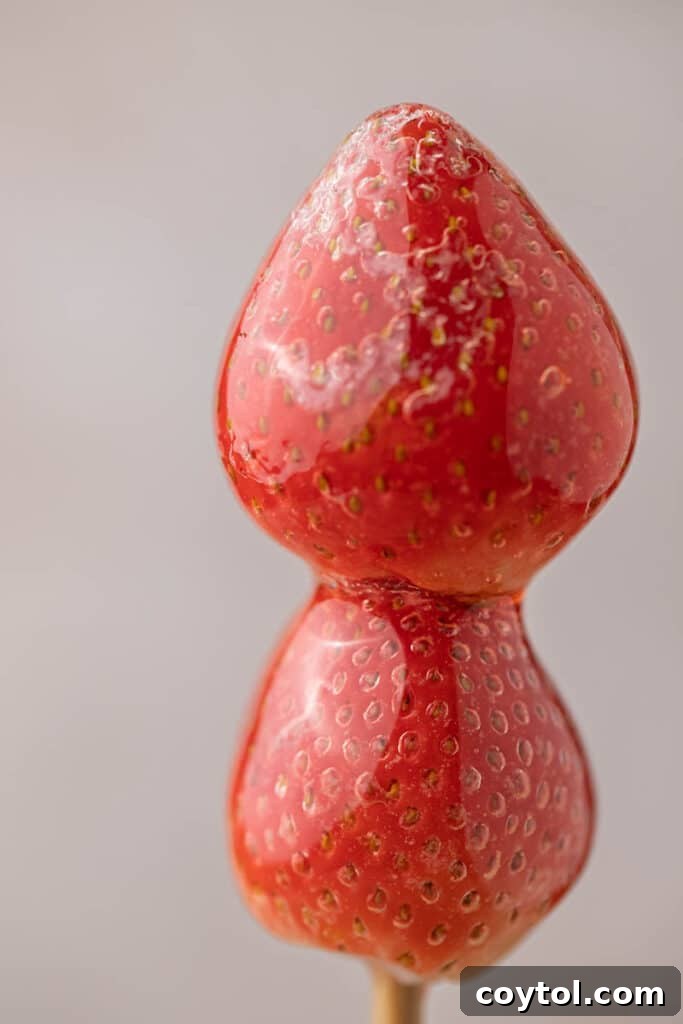
How quickly does Tanghulu harden?
Once your sugar syrup has reached the correct hard-crack stage (300°F/150°C), the hardening process is remarkably quick. Upon immediate submersion into the ice water bath, the sudden drop in temperature causes the sugar to crystallize and harden almost instantly, typically within 2-4 seconds. You’ll see and hear the shell solidify on contact with the cold water.
Can I refrigerate my Tanghulu fruit?
I strongly advise against refrigerating Tanghulu. The humidity and cold environment of a refrigerator will cause the sugar coating to absorb moisture rapidly, leading to a sticky, gooey, and unappetizing texture. To preserve that delightful crunch in every bite, it is best to keep your fruit skewers at room temperature for a very short period of time before enjoying them.
Can I make Tanghulu without a candy thermometer?
Yes, it is possible to make Tanghulu without a candy thermometer by relying on the cold water test described in the step-by-step instructions. However, using a candy thermometer is highly recommended as it provides far more consistent and accurate results, especially on days with varying humidity or when you’re just starting out. A thermometer eliminates the guesswork, ensuring your sugar syrup reaches the precise hard-crack stage every time for that perfect crispy shell.
What are the best fruits for this easy homemade Tanghulu recipe?
For the best results with this easy homemade Tanghulu recipe, start with firm, relatively dry fruits. Excellent choices include strawberries, grapes (seedless), blueberries, kiwi (peeled and sliced), and mandarin orange segments. I particularly love using fruits that offer a hint of tartness, as this natural acidity beautifully balances the sweetness of the sugar coating, creating a more complex and enjoyable flavor profile. Avoid very soft or overly juicy fruits as they can compromise the crispness of the sugar shell.
Easy Tanghulu Recipe at Home
Print Recipe
Ingredients
- 1 cup granulated sugar
- 1/2 cup water
- 1/2 lbs fruits of choice Strawberries, pineapple, kiwis, oranges
- Ice water
Instructions
-
Wash and thoroughly dry your fruit before starting. Ensure there is no moisture.
-
Thread the fruits onto wooden skewers. Aim for 1-3 fruits per skewer, depending on size, to ensure they can be easily dipped in the sugar mixture.
-
In a medium, heavy-bottomed pot, combine the sugar and water. Heat over medium heat without stirring until the mixture is boiling and reaches 300°F (150°C) on a candy thermometer. If you don’t have a thermometer, test readiness by dipping a spoon or wooden skewer into the syrup and immediately plunging it into ice water; if it hardens instantly and snaps, it’s ready.
-
Once the sugar syrup is ready, immediately remove it from heat (or turn the stove to the lowest setting if working quickly with multiple batches). Work quickly and carefully, dipping each fruit skewer into the hot syrup and rotating to coat evenly.
-
Allow any excess sugar to drip off the fruit before immediately dipping the skewer into the ice water for 2-4 seconds to allow the sugar mixture to harden. Place on parchment paper to cool and serve immediately for the best results.
Notes
Nutrition
Nutrition information is automatically calculated, so should only be used as an approximation.
Beyond the Basics: Creative Tanghulu Variations
While classic Tanghulu is undeniably delicious, don’t be afraid to experiment with exciting variations to add your own personal touch:
- **Chocolate Drizzle:** After the sugar shell hardens and cools, melt some high-quality dark or white chocolate and drizzle it decoratively over the Tanghulu for an extra layer of indulgence and a stunning visual contrast.
- **Nutty Crunch:** For added texture and flavor, finely chop some nuts like pistachios, almonds, or walnuts. Just before the sugar fully sets in the ice bath, you can lightly sprinkle these nuts onto the candied fruit.
- **Spice Infusion:** Introduce subtle flavor twists to your sugar syrup. A tiny pinch of ground cinnamon, cardamom, or a few drops of vanilla extract or almond extract can elevate the taste profile.
- **Tropical Medley:** Expand your fruit horizons! Combine exotic fruits like mango chunks, papaya slices, or star fruit wedges for a vibrant and tropical Tanghulu experience that transports you to sunnier climes.
- **Citrus Zest Sparkle:** For an extra aromatic kick, finely grate some lemon, lime, or orange zest over the still-warm sugar-coated fruit before it goes into the ice bath. The oils in the zest will infuse beautifully.
Serving and Enjoying Your Homemade Tanghulu
Tanghulu is a treat that demands immediate gratification. For the ultimate crispness, sweetness, and that satisfying auditory crackle, it should be enjoyed as soon as the sugar coating has fully hardened after its ice bath. The pristine, glossy appearance and the perfect textural contrast between the brittle sugar and the juicy fruit are unparalleled when consumed fresh.
To serve, arrange your Tanghulu skewers upright in a decorative glass, a simple vase, or laid out elegantly on a plate. Their inherent beauty makes them an instant showstopper, perfect as a unique dessert, a delightful party favor, or simply a fun, sweet snack to brighten any moment. Don’t be surprised if these delightful candied fruits disappear remarkably quickly – they are truly hard to resist!
Don’t Forget to Pin This Easy Tanghulu Recipe for Later!