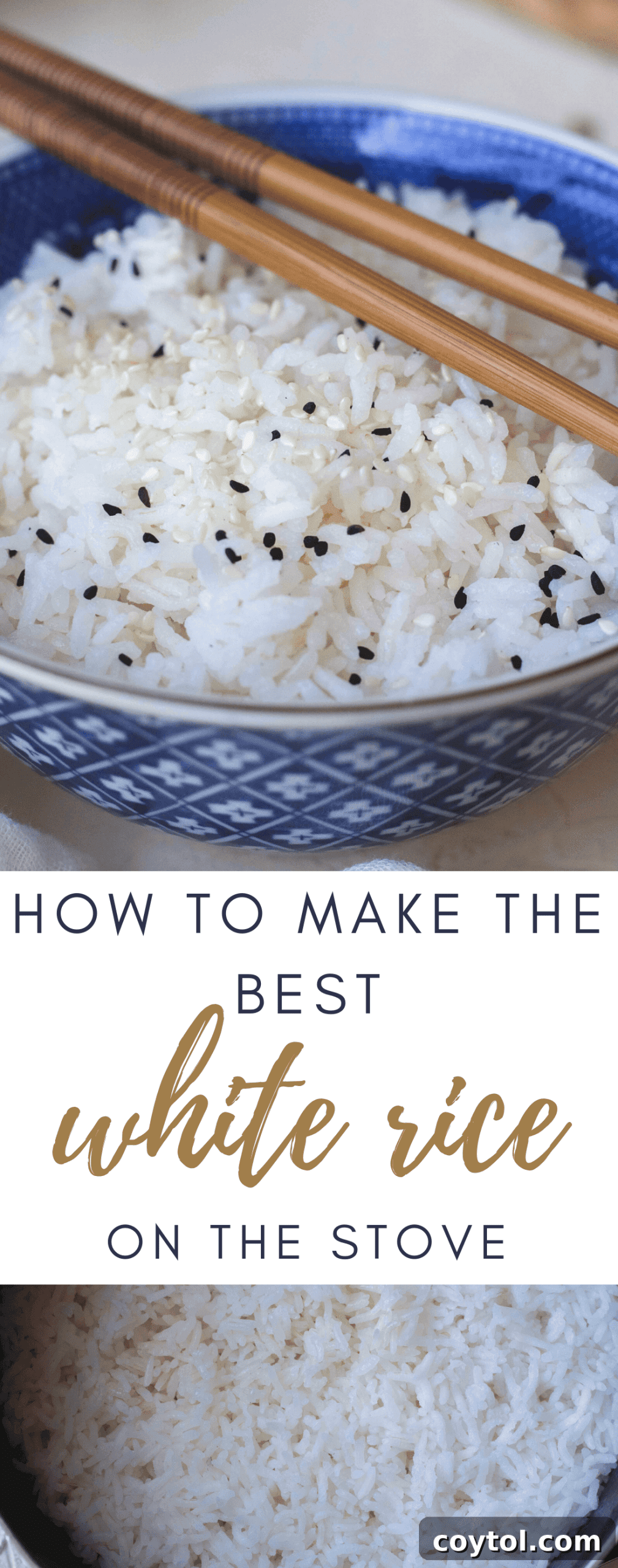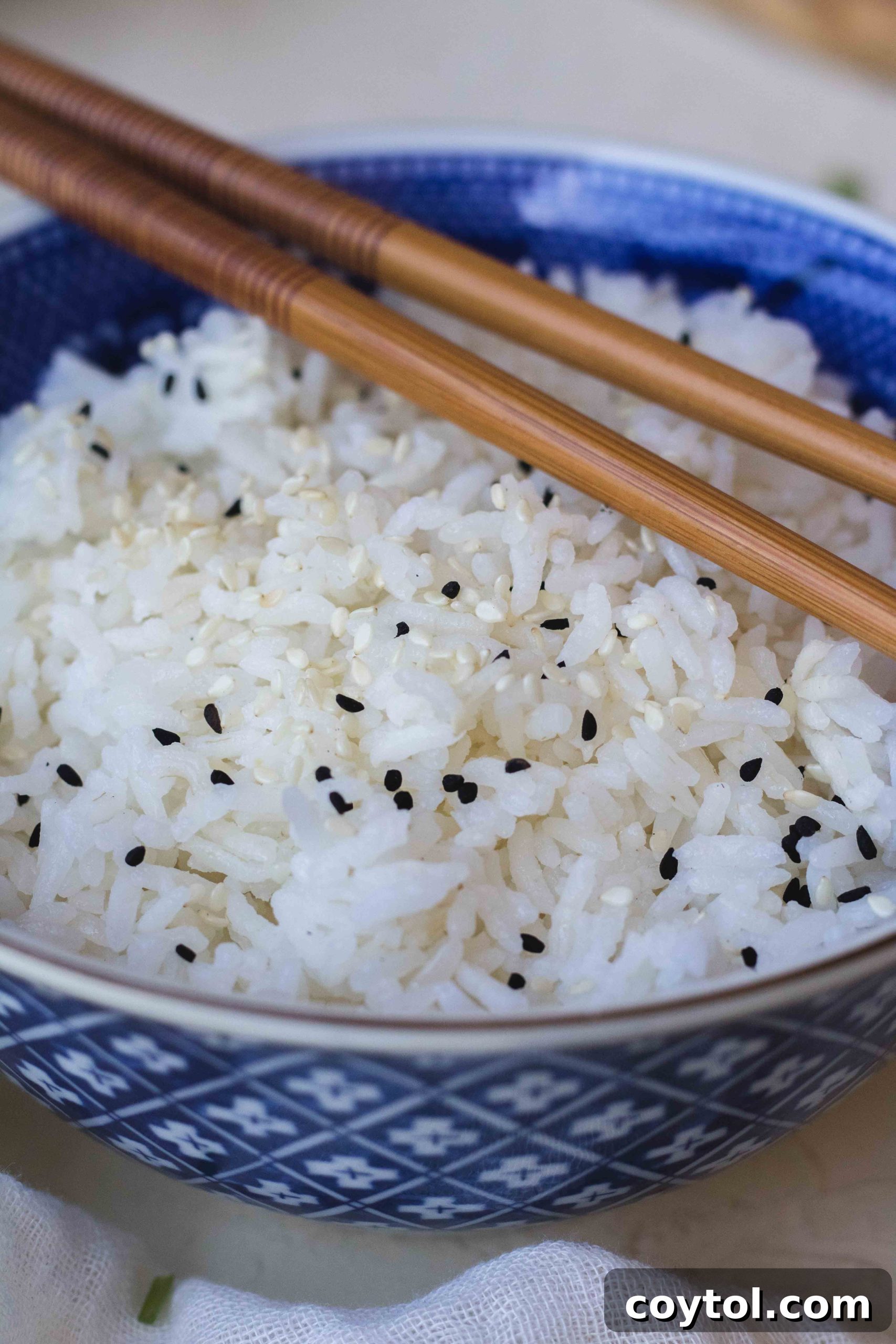
Master the art of cooking perfect white rice on your stovetop with this comprehensive guide. Forget complicated gadgets; this article reveals simple yet crucial tips and techniques to achieve impeccably soft, fluffy, and light white rice in a pot every single time. Get ready to ditch the rice cooker and elevate your home cooking with a foolproof method that delivers delicious results in less than 30 minutes!
Unlock Exclusive Recipes: Join Our Mailing List Today!
Sign up for our mailing list and receive a complimentary weekly meal planner and exclusive recipe cards delivered straight to your inbox. Never run out of meal ideas again!
Hello, home cooks and food enthusiasts!
It wasn’t long ago that I experienced a moment of collective panic at my local grocery store: the rice aisle was completely cleared out! It seemed everyone preparing for an extended stay at home had the same idea – stocking up on this versatile and essential grain. And honestly, it makes perfect sense. Non-perishable staples like rice are invaluable for creating satisfying meals without constant trips to the store.
I always keep a healthy supply of rice at home. It’s my go-to when I need a quick, comforting side dish, or when I’m simply not in the mood for an elaborate culinary endeavor. There’s just something universally appealing about a steaming bowl of perfectly cooked white rice, especially when paired with rich curries, hearty bean stews, or savory stir-fries. It’s a foundational element in countless cuisines, a blank canvas ready to absorb the flavors of whatever it accompanies.
Why This Stovetop White Rice Method Is a Game-Changer
You might be wondering, “What makes *this* stovetop white rice recipe so special?” Well, allow me to elaborate. My method ensures consistently excellent results, transforming a seemingly simple staple into a culinary highlight:
- Effortlessly Simple: This recipe is designed for ease. With just a few basic steps, even absolute beginners can achieve professional-level rice. No complex techniques or specialized equipment needed.
- Versatile Pairing: Perfect white rice is the ultimate companion to an endless array of dishes. From spicy Asian curries and savory Latin American beans to delicate Mediterranean grilled fish or simple roasted vegetables, it complements virtually any cuisine, soaking up sauces and balancing flavors beautifully.
- Budget-Friendly: Rice is one of the most economical food staples available, offering incredible value for its nutritional content and versatility. Learning to cook it perfectly means you can enjoy delicious, filling meals without breaking the bank.
- Lightning Fast: In less than 30 minutes from start to finish, you can have a fresh batch of fluffy white rice ready to serve. This makes it an ideal choice for busy weeknights when time is of the essence.
- Consistently Soft and Fluffy: The biggest promise of this method is its reliability. Say goodbye to sticky, clumpy, or undercooked rice. Follow these steps, and you’ll achieve beautifully separated, tender grains every single time, ensuring a delightful texture that enhances any meal.
Essential Ingredients for Perfect Stovetop White Rice
Crafting flawless white rice on your stovetop requires surprisingly few ingredients. The magic lies in the method and ratios, not in a long shopping list. Here’s what you’ll need:
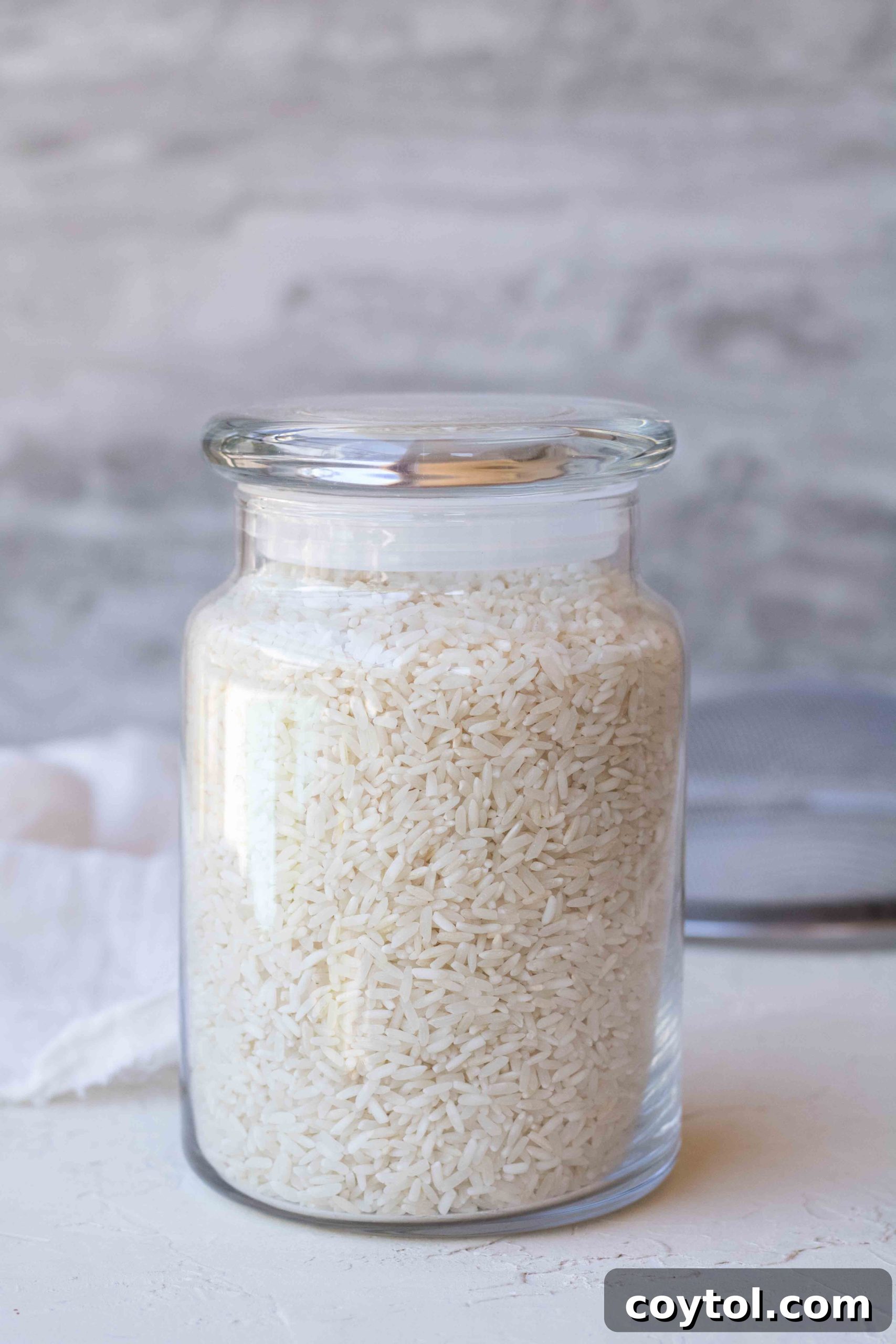
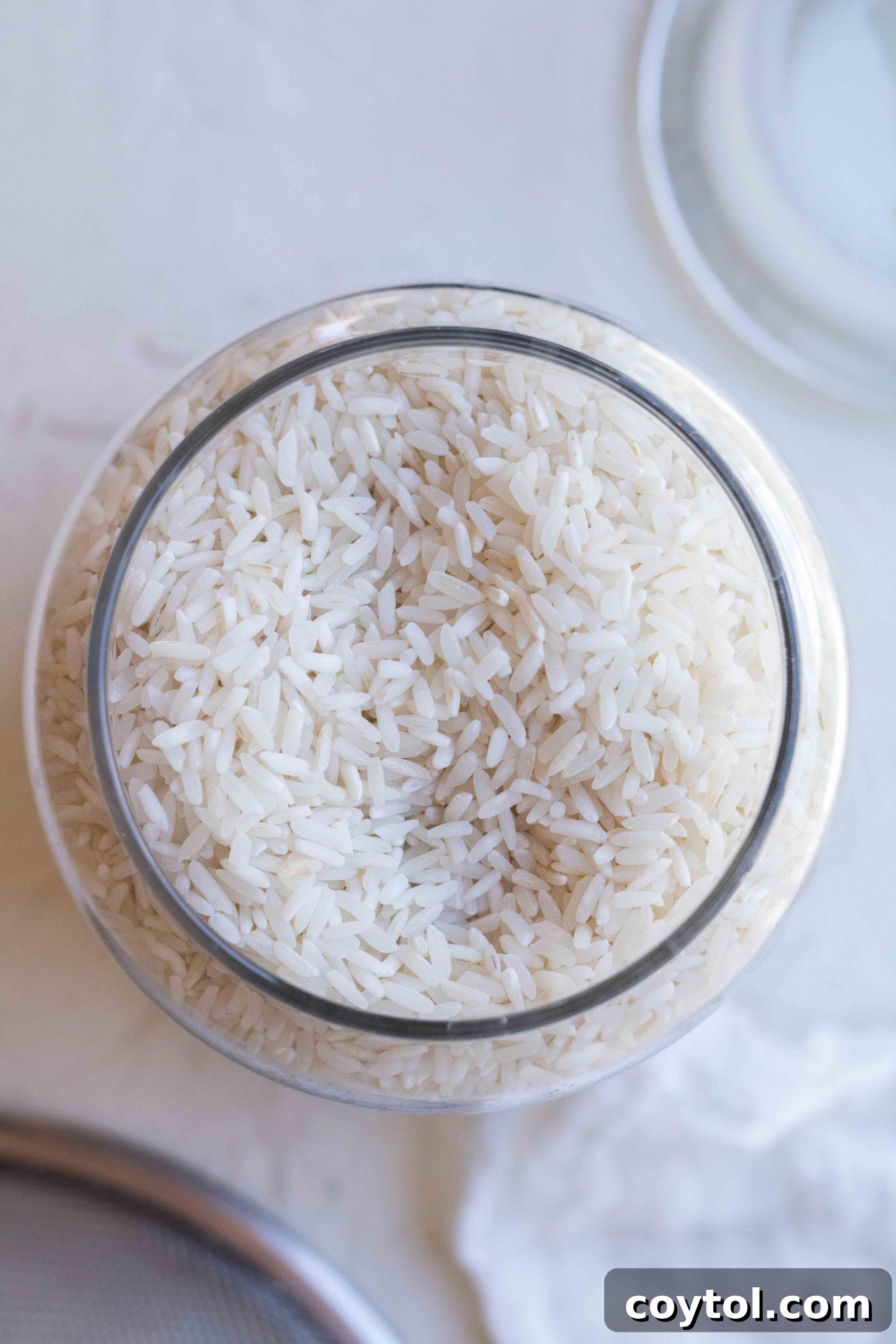
- White Rice: While the recipe focuses on general white rice, understanding different types can enhance your results. Long-grain white rice (like Basmati or Jasmine) tends to cook up fluffier and with more separate grains, making it a popular choice for this method. Medium and short-grain varieties can be used, but may yield a slightly stickier texture due to higher starch content, which is desirable for certain dishes.
- Water: The most crucial component for hydration and cooking the rice evenly. Using the correct water ratio is paramount, as too much leads to mushy rice, and too little results in crunchy, undercooked grains. Filtered water is always a good option for purity of flavor.
- Salt: A pinch of salt is essential for seasoning the rice from within, enhancing its natural flavor. Adding it to the cooking water allows the grains to absorb the seasoning as they cook, providing a more balanced taste than simply salting at the end.
- Butter or Oil: A small amount of fat, whether it’s butter or a neutral oil like olive oil or vegetable oil, serves multiple purposes. It helps to prevent the rice from sticking to the pot, adds a subtle richness and flavor, and can contribute to the separation of individual grains, resulting in a lighter, less clumpy texture.
More Helpful “How-To” Guides You’ll Enjoy!
- How to Bake Sweet Potatoes in the Oven Perfectly
- How to Cook Red Quinoa on the Stove: A Nutrient-Packed Side
- Quick and Easy Caramelized Green Bell Peppers Recipe
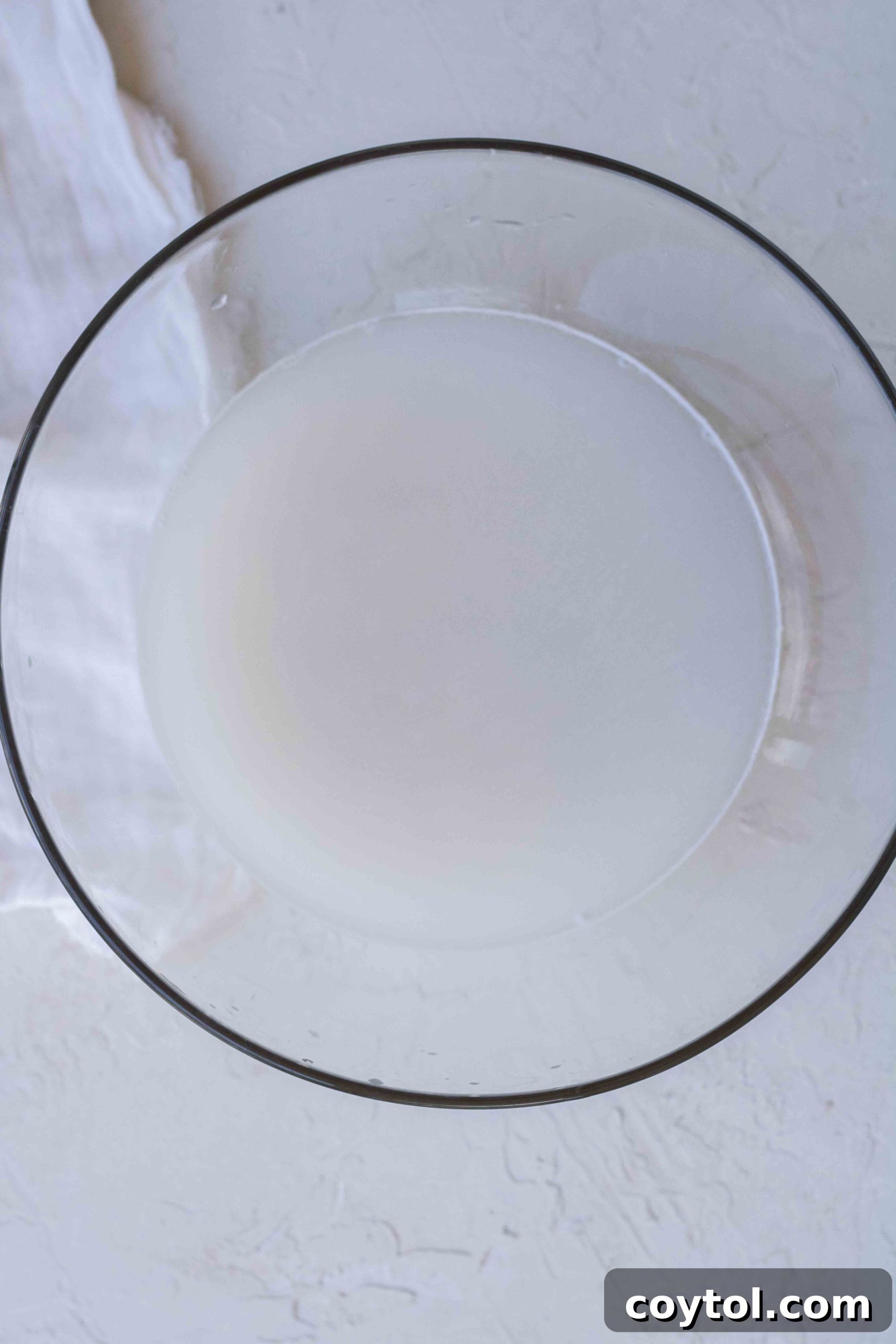
Understanding the Perfect Rice to Water Ratio
Achieving perfectly cooked rice hinges on mastering the correct rice to water ratio. This can feel like a daunting task, as ratios can vary depending on the type of rice, the pot you use, and even ambient humidity. However, for most standard white rice varieties cooked on the stovetop, a consistent ratio is key.
What is the Ideal Ratio of Water to White Rice?
Generally, for cooking white rice on the stovetop, you’ll need between 1 ½ to 1 ¾ cups of water for every 1 cup of dry rice. This range accounts for slight variations in rice type and pot design. For the specific, foolproof method I’m sharing today, a ratio of 1 ¾ cups of water to 1 cup of rice has proven to deliver consistently fluffy results.
How much water do I use for 1 cup of rice?
To cook 1 cup of dry white rice, aim for 1 ½ to 1 ¾ cups of water. For a fluffier outcome, stick closer to the 1 ¾ cup mark.
How much water do I use for 2 cups of rice?
For 2 cups of dry white rice, you will need 3 to 3 ½ cups of water. Remember to adjust your pot size accordingly to allow for expansion and prevent boil-overs.
How much water do I use for 3 cups of rice?
When cooking 3 cups of dry white rice, use between 4 ½ to 5 ¼ cups of water. Maintaining the correct ratio is even more critical with larger quantities to ensure even cooking.
How much water do I use for 4 cups of rice?
To prepare 4 cups of dry white rice, you’ll need 6 to 7 cups of water. For larger batches, ensure you’re using a pot with ample space to prevent overcrowding, which can hinder proper cooking and make the rice gummy.
How Long Does it Take to Cook White Rice on the Stove?
Cooking white rice on the stovetop is surprisingly quick, typically taking about 25-30 minutes from start to finish. This timeframe can be broken down into a few distinct stages:
- Bringing Water to a Boil (3-8 minutes): This initial step involves heating the water to a rolling boil. The exact time will depend on the amount of water you’re using and the strength of your stovetop burner. For smaller quantities (1-2 cups of rice), this might take 3-5 minutes, while larger batches could take up to 8 minutes.
- Simmering (15-20 minutes): Once the water reaches a boil and you’ve added the rice, you’ll reduce the heat to a low setting, allowing the rice to simmer gently. This is the main cooking phase where the rice absorbs the water and softens. During this time, it’s crucial to keep the pot covered tightly to trap steam and ensure even cooking.
- Resting (10-15 minutes): After the simmering time, remove the pot from the heat but **do not lift the lid.** This resting period is absolutely essential for achieving fluffy, well-cooked rice. It allows the steam to redistribute moisture, ensuring every grain is perfectly tender and preventing a soggy bottom and dry top.
So, in total, you’re looking at a commitment of about 25-30 minutes for active cooking and simmering, plus an additional 10-15 minutes for resting. This active cooking time makes stovetop rice a fantastic option for a fast and delicious side.
Mastering Non-Sticky Rice: The Rinsing Secret
One of the most common complaints about cooking rice is that it turns out sticky and clumpy. To understand how to achieve beautifully separate, fluffy grains, we first need to delve into the science of why rice becomes sticky in the first place.
The primary culprit is starch. When rice grains are harvested, processed, and shipped, they rub against each other. This friction creates a fine, chalky powder on the exterior of each grain. This powder is pure starch, and if it’s not removed before cooking, it acts like glue, causing the individual grains to stick together when hydrated and heated. The more starch, the stickier the rice.
So, the incredibly simple yet highly effective solution to this common problem is to **rinse your rice thoroughly before cooking.**
How to Rinse Rice Effectively:
- Use a Fine-Mesh Sieve: Place your measured dry rice into a fine-mesh sieve.
- Rinse Under Cold Water: Position the sieve under cold, running tap water.
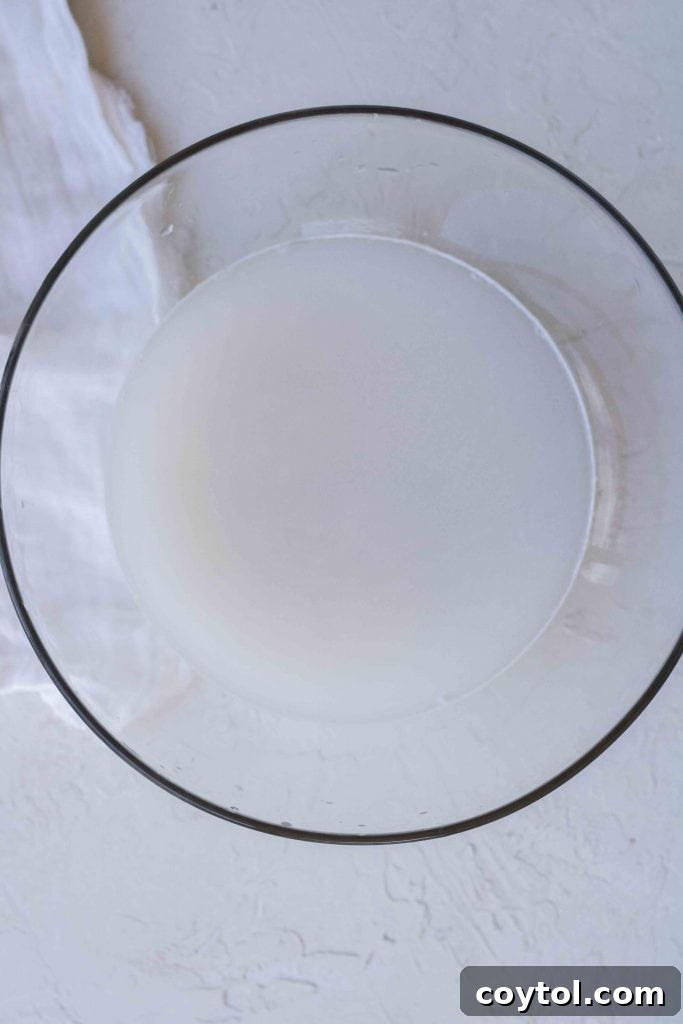
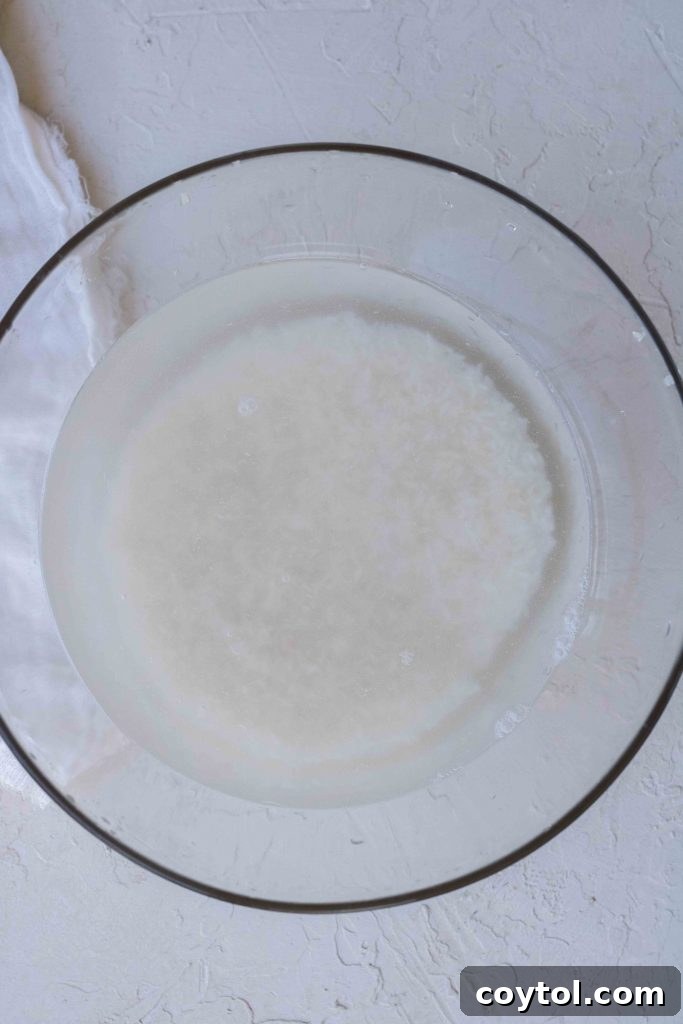
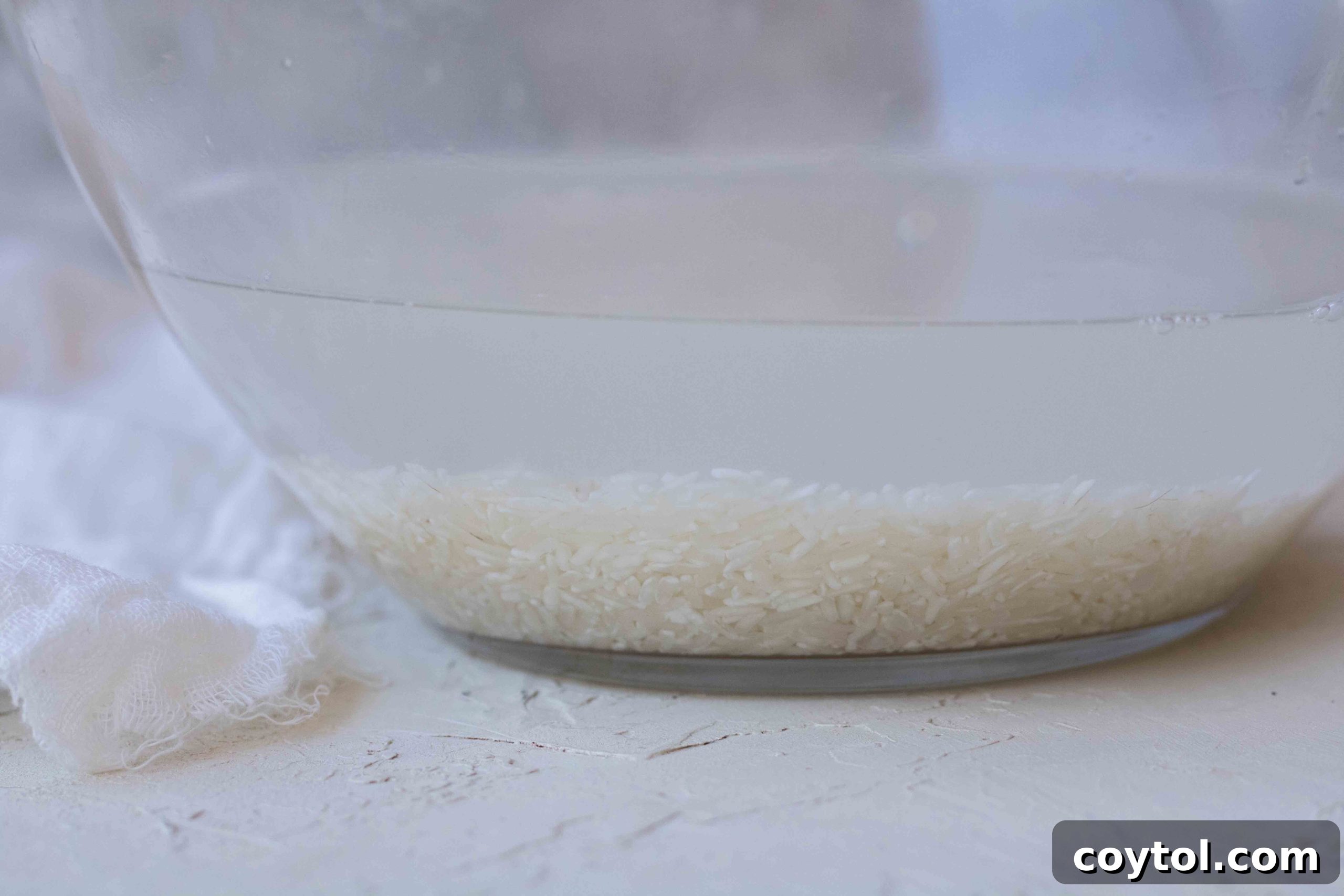
- Agitate and Observe: Use your hand to gently agitate and swirl the rice. You’ll notice the water running through the rice appears cloudy and milky initially. This cloudiness is the excess starch being washed away.
- Rinse Until Clear: Continue rinsing and agitating the rice until the water running through the sieve is mostly clear. This usually takes 2-4 minutes, depending on the type and brand of rice.
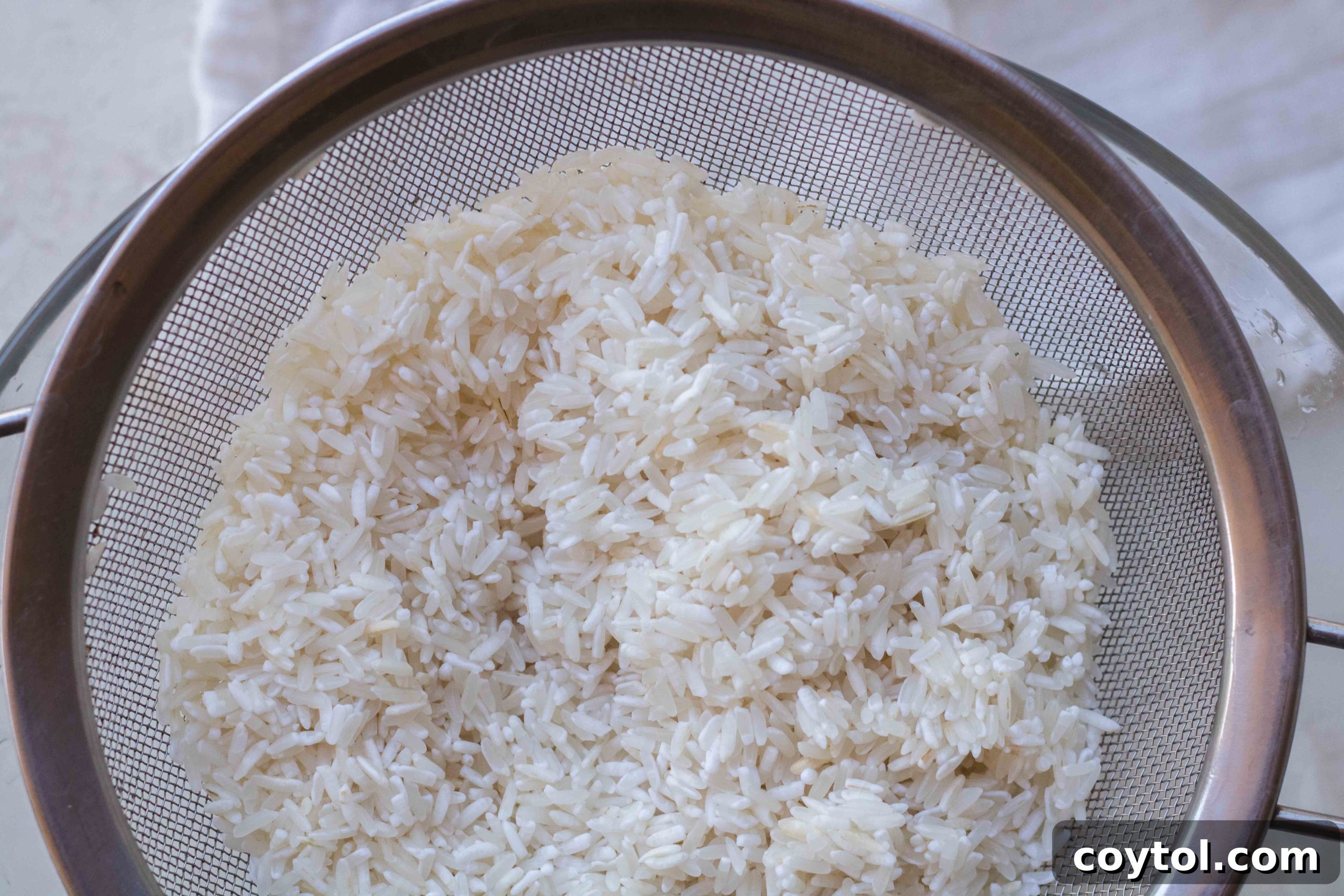
- Drain Well: After rinsing, shake off any excess water from the sieve. Allowing the rice to drain for a minute or two can also help, though it’s not strictly necessary if you’re cooking it immediately.
By taking this simple extra step, you effectively remove the surface starches, preventing your rice from clumping and ensuring a light, fluffy texture where each grain stands alone. The next time someone asks you how to prevent white rice from getting sticky, you’ll have the perfect, science-backed answer!
Serving Sizes: How Much Rice Per Person?
Determining how much rice to cook can be tricky, as appetites vary, and rice can serve as a main component or a humble side. As a general rule of thumb, I typically account for **½ to ¾ cup (60g-90g) of dry or uncooked rice per person** for a standard serving. This yields approximately 1 to 1 ½ cups of cooked rice.
Keep these considerations in mind:
- As a Side Dish: If rice is accompanying a protein-rich main course or a hearty stew, ½ cup of dry rice per person is often sufficient.
- As a Main Dish (e.g., Rice Bowl, Fried Rice): If rice is a more central component of the meal, or for individuals with larger appetites, ¾ cup of dry rice per person might be more appropriate.
- Yield of Cooked Rice: Remember that 1 cup of dry white rice typically yields about 2 to 2 ½ cups of cooked rice. So, if you’re aiming for 1 cup of cooked rice per person, a single cup of dry rice will serve two people generously. For more than two people, it’s always better to make extra in a larger pot to avoid under-serving.
It’s always better to have a little leftover rice (which can be safely stored and repurposed) than to run short at dinner!
The Crucial Resting Period: Why Your Rice Needs to Sit After Cooking
In this recipe, and indeed in most stovetop rice recipes, you’ll find an instruction to let the rice rest, lid on, for 10-15 minutes after it’s removed from the heat. You might be tempted to skip this extra waiting period, especially when hunger strikes, but it is an absolutely crucial step that guarantees the best possible texture and evenness.
Here’s why resting your rice is non-negotiable:
- Even Moisture Redistribution: When rice cooks on the stovetop, the grains at the bottom of the pot are directly exposed to the heat source and tend to absorb more moisture and cook faster. Conversely, the grains on top rely primarily on steam and might be slightly firmer or less evenly cooked. The resting period, with the lid tightly in place, allows the steam and residual heat to circulate evenly throughout the entire pot. This process hydrates any slightly undercooked grains at the top and ensures that all the moisture is perfectly absorbed, resulting in a consistent texture from top to bottom.
- Steam Cooking Completion: Even after the heat is turned off, the rice continues to cook gently in the trapped steam. This final “steam bath” helps to achieve that ideal soft and fluffy texture, preventing any hard or chewy bits.
- Grain Separation: Resting also allows the starches in the rice to stabilize. Without it, the grains can remain somewhat sticky and clumpy. The rest period gives the rice a chance to firm up slightly and cool down just enough so that when you fluff it with a fork, the grains separate beautifully, yielding that desired light and airy consistency.
So, resist the urge to peek or serve immediately! That extra 10-15 minutes of resting time is the secret weapon for achieving truly perfectly cooked, uniformly soft, and wonderfully fluffy white rice every single time.
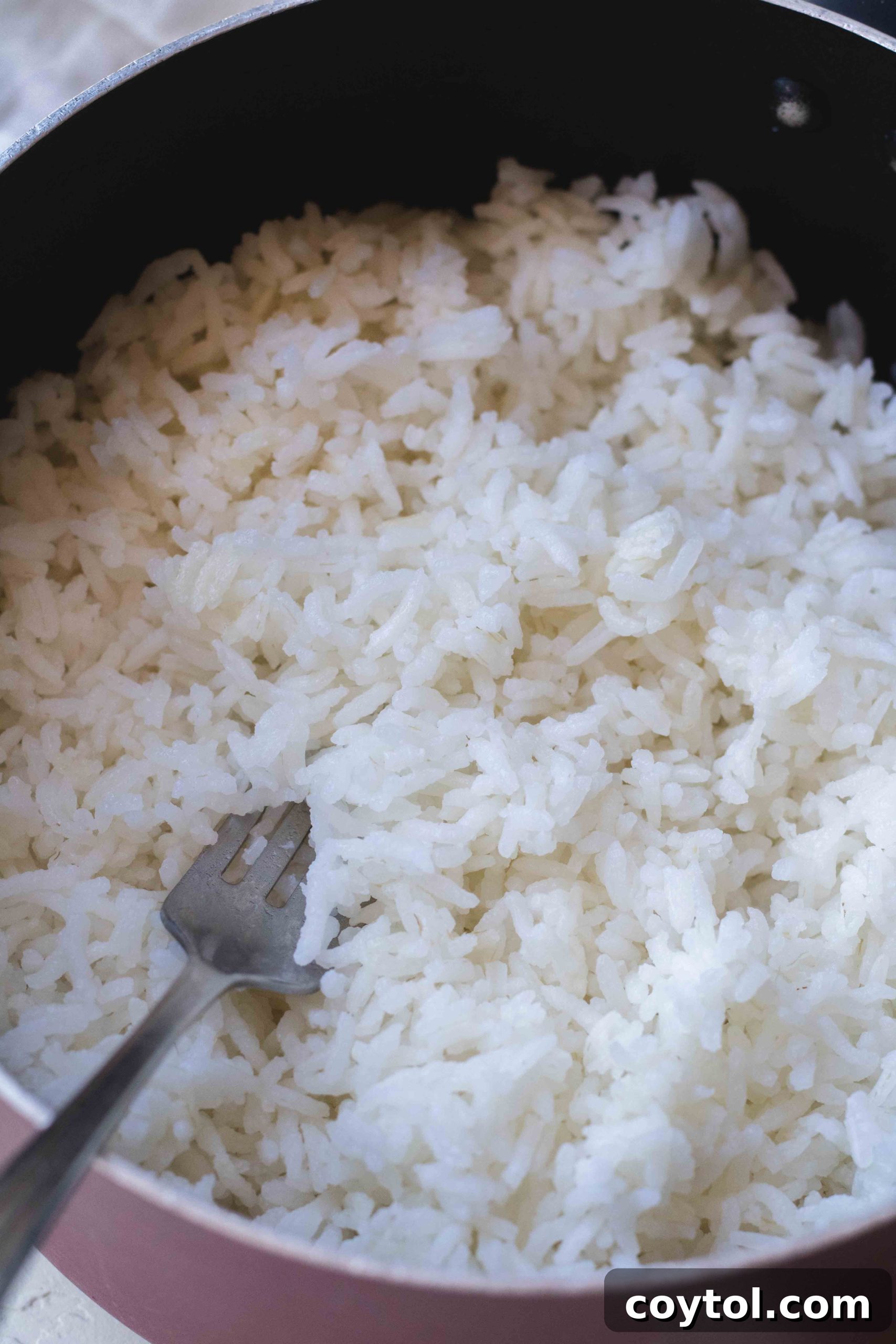
Expert Tips for Cooking the Perfect White Rice
Achieving consistently perfect white rice is a skill that comes with understanding a few fundamental principles. Here are my top tips to ensure your rice is always on point:
- Always Rinse Your Rice Thoroughly: As discussed, this is the number one secret to non-sticky rice. If you desire separate, fluffy grains and not a sticky ball of mush, take the time to rinse away the excess surface starches until the water runs clear. This single step makes an enormous difference in texture.
- Add Salt to the Cooking Water: Seasoning your rice from the start is crucial for developing its flavor. While you can add salt at the end, incorporating it into the cooking water allows the grains to absorb the salt as they hydrate, resulting in a more deeply and evenly seasoned product.
- Do Not Remove the Lid During Cooking or Resting: This cannot be stressed enough. Lifting the lid, even for a quick peek, allows precious steam to escape. Steam is vital for even cooking and the essential resting period. Keep the lid on tightly to trap all that moisture and heat, ensuring every grain cooks perfectly and the moisture redistributes evenly.
- Use a Heavy-Bottomed Pot with a Tight-Fitting Lid: A heavy-bottomed pot (like a Dutch oven or thick stainless steel pot) distributes heat more evenly, preventing scorching at the bottom and ensuring consistent cooking. A tight-fitting lid is equally important to seal in the steam.
- Avoid Stirring While Cooking: Once the rice is simmering, resist the urge to stir it. Stirring agitates the grains, releasing more starch and leading to a gummy texture. Let the rice cook undisturbed.
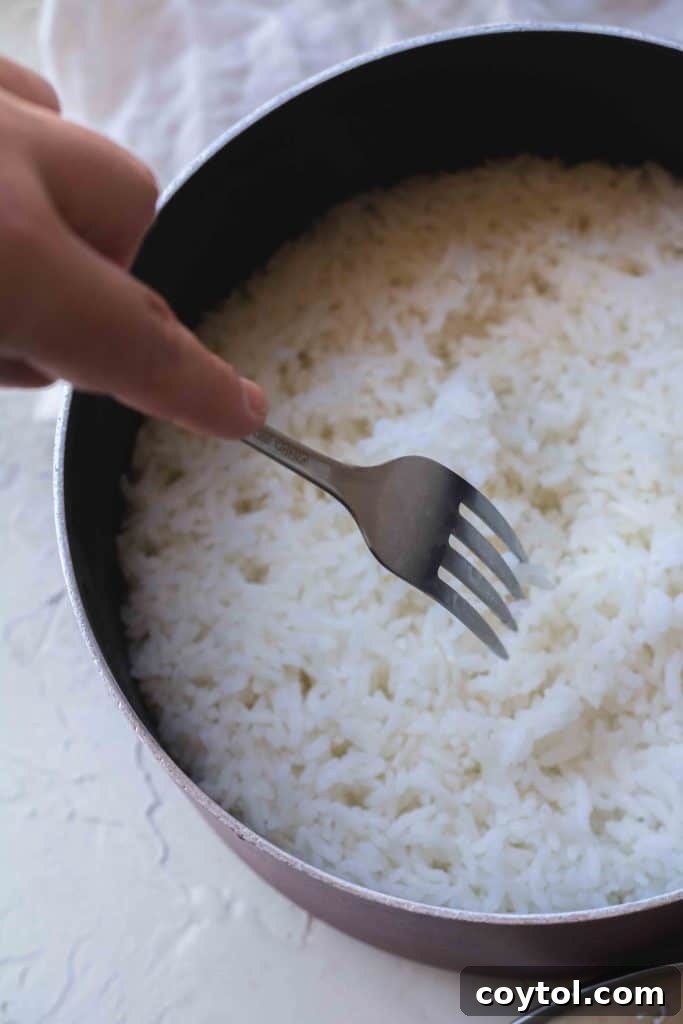
- Fluff with a Fork After Resting: After the resting period, gently fluff the rice with a fork. This helps to separate the grains further and releases any remaining trapped steam, preventing it from becoming soggy.
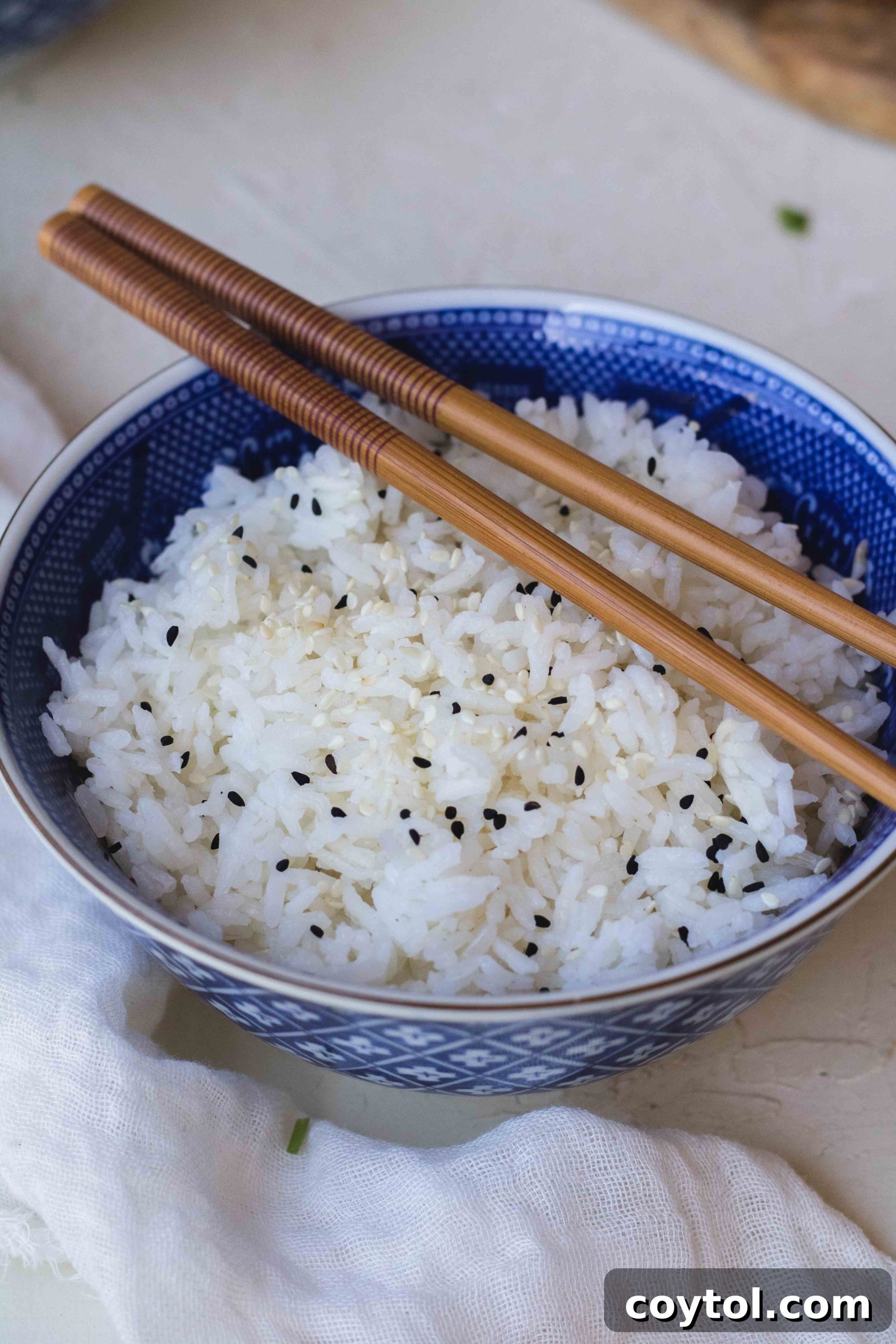
IF YOU MADE SOMETHING FROM LIFESTYLEOFAFOODIE, I WOULD LOVE TO SEE ALL YOUR CREATIONS AND KNOW HOW EVERYTHING TURNED OUT! SO DON’T FORGET TO LEAVE A COMMENT BELOW AND FOLLOW ALONG WITH ME ON INSTAGRAM, PINTEREST, AND FACEBOOK.
How to Make Foolproof White Rice on the Stove
How to Cook Fluffy White Rice on the Stovetop
Print Recipe
Ingredients
- ▢ 1 cup white rice
- ▢ 1 3/4 cup water
- ▢ 1 tbsp butter or olive oil
- ▢ 1 tsp salt
Instructions
-
Using a fine-mesh strainer, rinse the white rice under cold water. Continue rinsing and gently agitating the rice until the water runs mostly clear. This essential step removes excess starches and debris, preventing the rice from becoming sticky and clumpy.
-
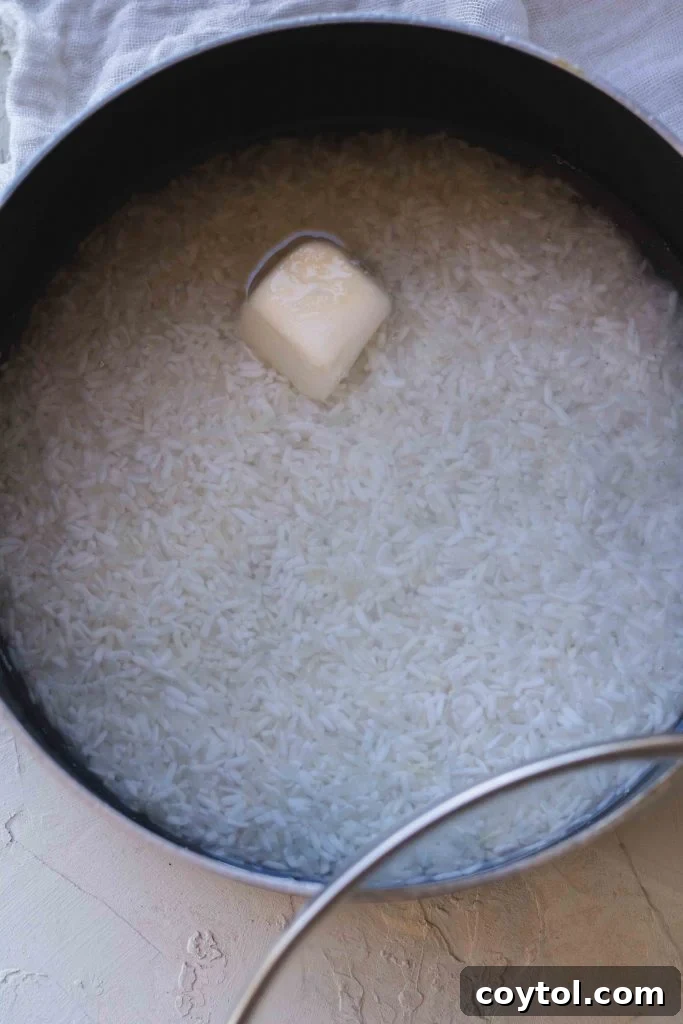
Now that your rice is rinsed, combine the water, butter or olive oil, and the rinsed rice in a medium-sized, heavy-bottomed pot. Place the pot on the stove over medium-high heat and bring the mixture to a full, rolling boil.
-
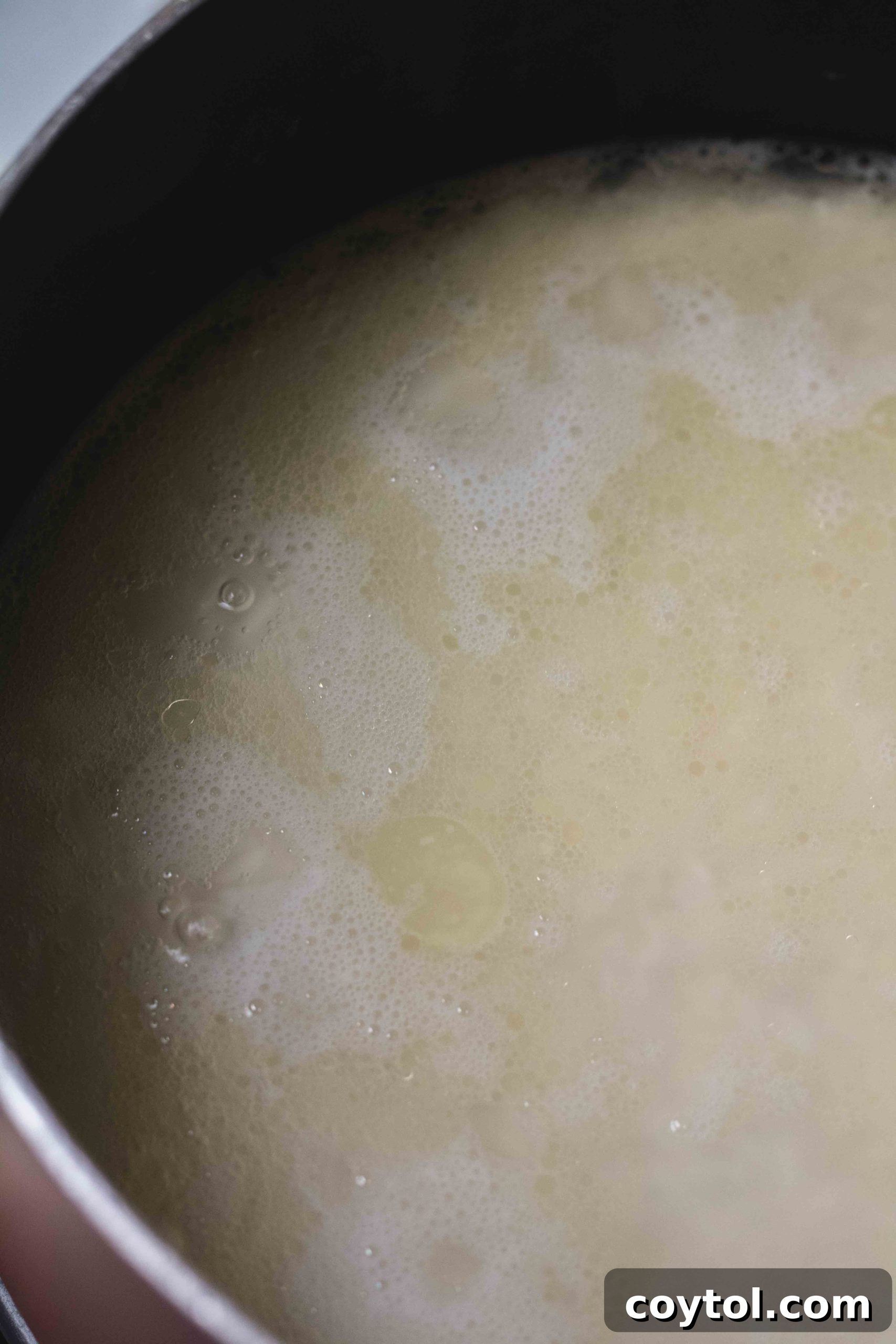
Once boiling, immediately reduce the heat to the lowest setting possible (a gentle simmer). Cover the pot tightly with a lid and let it cook undisturbed for 18-20 minutes. During this time, the rice will absorb all the water. When the cooking time is complete, remove the pot from the heat but **do not lift the lid**. Allow the rice to rest, still covered, for an additional 10-15 minutes. This resting period is crucial for perfect texture. Finally, fluff the rice with a fork and serve immediately.
Nutrition information is automatically calculated, so should only be used as an approximation.
Shop This Recipe: Essential Tools and Ingredients
This post may contain affiliate links, meaning that at no additional cost to you, I will earn a small commission if you click through and make a purchase.