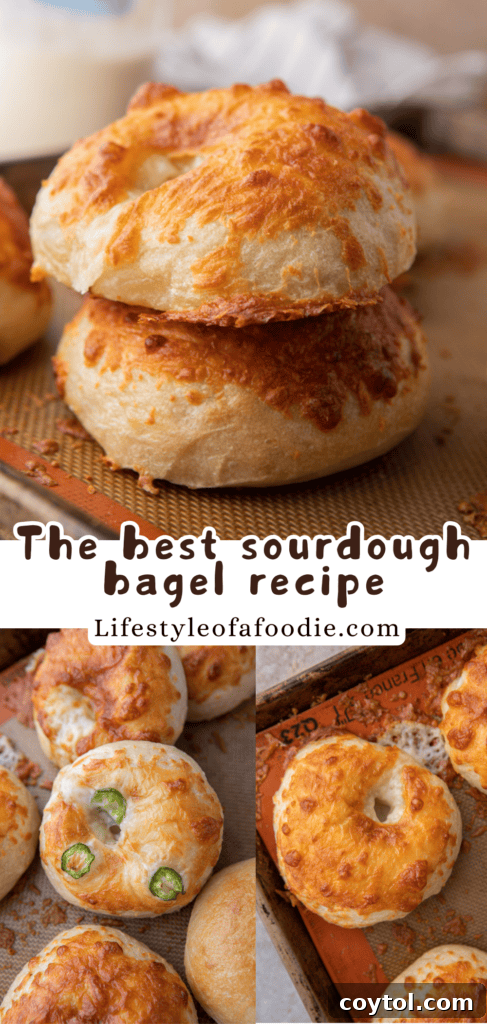
Welcome to the world of homemade sourdough bagels – a truly transformative experience for your breakfast routine. This recipe isn’t just about making bagels; it’s about crafting an artisan delight that promises incredible flavor, satisfying chewiness, and the unique tang that only a natural sourdough starter can provide. With an active starter and a handful of simple ingredients, you’ll discover an easy-to-follow guide to creating customizable bagels that will become a staple in your kitchen.

Crafting the Perfect Chewy Sourdough Bagels at Home
Bagels are more than just a breakfast item; they are a culinary canvas, a morning luxury that elevates any meal. Whether you’re assembling a hearty egg breakfast sandwich, indulging in a simple spread of cream cheese, or enjoying one plain, a perfectly crafted bagel always outshines plain toast. And while store-bought bagels offer convenience, nothing compares to the freshness and superior taste of homemade. Take that a step further, and you discover the unparalleled delight of sourdough bagels – a true game-changer in the world of baked goods. Here, we delve into why sourdough bagels are not just better, but truly exceptional.
The secret to sourdough bagels lies in their unmatched flavor profile. Unlike conventional bagels, sourdough bagels boast a distinctive tangy flavor that simply cannot be replicated with seasonings alone. This delightful tang is a product of the natural fermentation process driven by an active sourdough starter. As the wild yeast and beneficial bacteria in the starter work their magic, they break down starches and develop complex acids, infusing the dough with a depth of flavor that complements any topping, sweet or savory. This nuanced tartness ties all the flavors together, making each bite an unforgettable experience. If you aspire to bake an impressive bagel that will captivate anyone who tries it, then this is the recipe you’ve been searching for.
Beyond their incredible taste, sourdough bagels offer significant benefits that make them a healthier, more digestible option. The natural fermentation process initiated by the sourdough starter pre-digests some of the starches and gluten in the flour. This makes the bagels easier on the digestive system for many individuals, including those with mild gluten sensitivities. While they are not gluten-free, the fermentation process can often make them more tolerable than conventional bread products. Packed with an intricate flavor complexity and enhanced nutritional value, homemade sourdough bagels are genuinely hard to beat.
If you’re as passionate about sourdough as we are, be sure to explore more of our beloved recipes. Dive into our Small Batch Sourdough Bread Recipe for a perfect loaf, whip up some Sourdough Discard Biscuits for a quick treat, or indulge in the comforting sweetness of our Sourdough Discard Cinnamon Rolls. Each recipe leverages the magic of sourdough to create something truly special.
Essential Ingredients for These Easy Sourdough Bagels
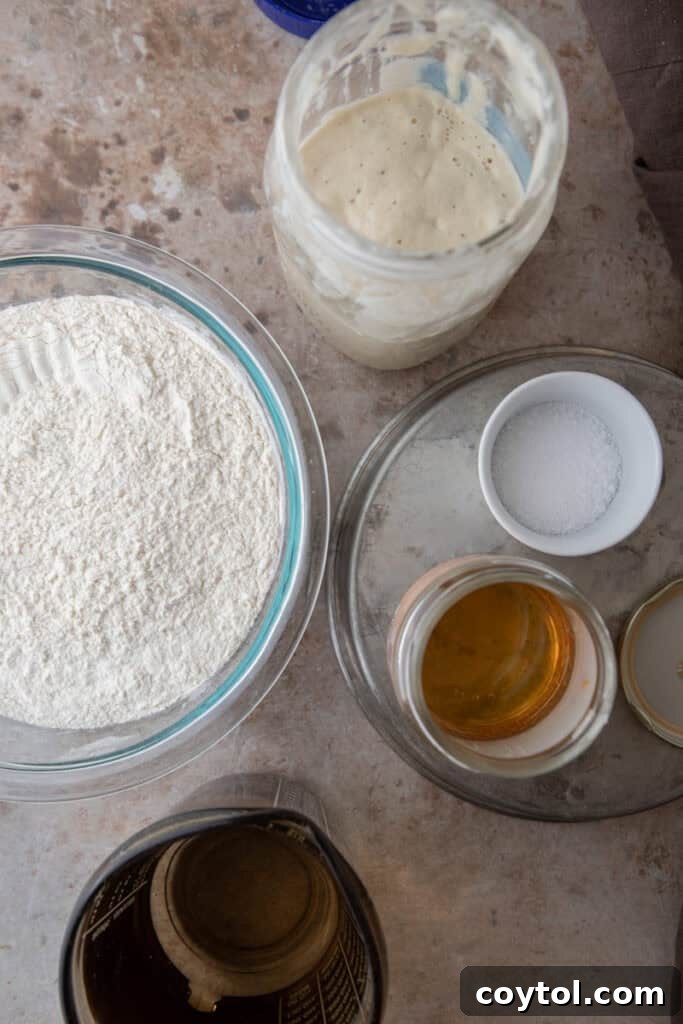
Creating these remarkably chewy bagels requires a selection of quality ingredients that work in harmony to produce the perfect texture and flavor. Below are the key components you’ll need. For precise measurements, please refer to the detailed recipe card at the bottom of this page.
- Active Sourdough Starter: This is the heart of your sourdough bagels. A robust, bubbly, and recently fed starter is crucial for both leavening and imparting that signature tangy flavor. The natural yeast in the starter provides the lift, while the fermentation byproducts develop the distinctive taste and contribute to a superior texture and structure in the final dough.
- Warm Water: Hydration is key in dough making. Warm water helps activate the wild yeast in your sourdough starter, ensuring proper fermentation and creating a supple, workable dough. Aim for a temperature around 95-105°F (35-40°C).
- Bread Flour: The high protein content in bread flour is essential for forming the strong gluten network required for chewy bagels. Gluten provides the elasticity and structure that traps gases, allowing the bagels to rise and achieve their characteristic dense, yet tender crumb. Using all-purpose flour will result in a softer, less chewy bagel.
- Salt: More than just a flavor enhancer, salt plays a vital role in strengthening the gluten structure of the dough. It also helps to regulate the fermentation rate, preventing the yeast from working too quickly, and adds balance to the sourdough’s tang.
- Sugar: A small amount of sugar acts as fuel for the sourdough starter, kickstarting its activity. It also contributes a subtle sweetness to the bagels, balancing the tang, and aids in achieving a beautiful golden-brown crust during baking. You can use granulated sugar or honey for this purpose.
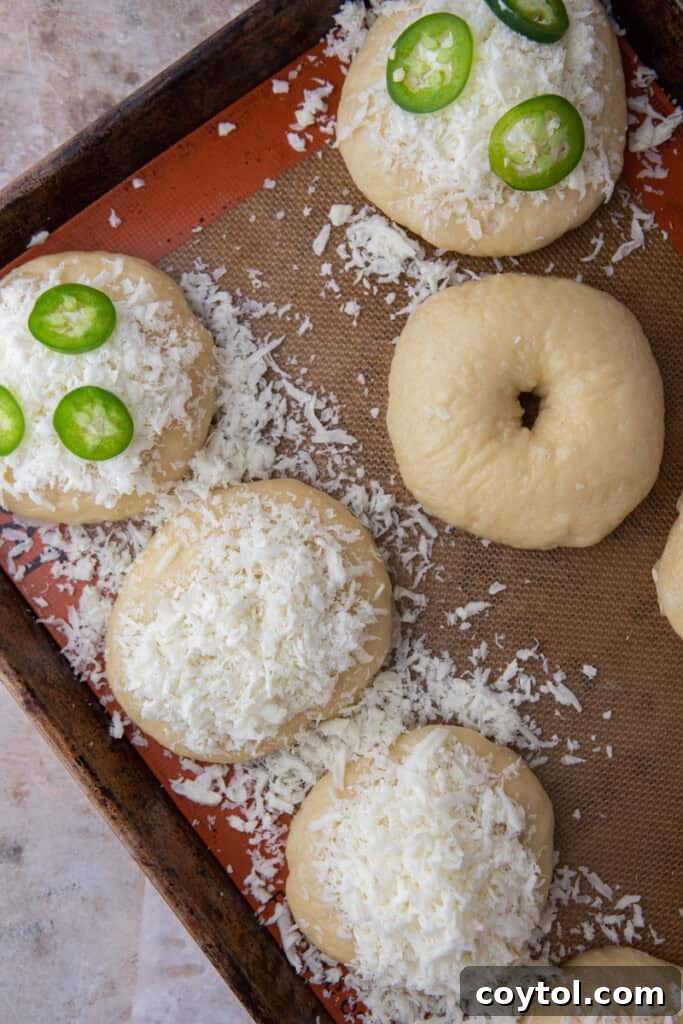
- Optional Toppings: This is where you can truly personalize your bagels! Our recipe features shredded cheddar cheese and freshly sliced jalapeños for a savory kick. Other popular choices include everything bagel seasoning, sesame seeds, poppy seeds, dried garlic or onion, or even a cinnamon-sugar blend for sweet bagels.
- Honey (for Boiling Water): Adding honey to the boiling water before cooking your bagels is a traditional step that makes a significant difference. It creates a slightly sweet, glossy exterior and helps achieve that desirable deep golden-brown color and characteristic chewy crust that defines a great bagel. Malt syrup is another excellent alternative.
Feel free to unleash your creativity and customize the dough itself. Incorporate savory elements like roasted garlic, fresh herbs (rosemary, thyme), or even shredded Parmesan cheese directly into the dough before the bulk fermentation. For those with a sweet tooth, mix in cinnamon, plump raisins, or dried cranberries for a delicious twist on a classic.
How to Make These Delicious Homemade Sourdough Bagels
Baking homemade sourdough bagels is a rewarding process that combines the art of fermentation with straightforward techniques. Follow these steps to create your own batch of chewy, tangy bagels. Remember to scroll down to the recipe card at the end of this post for comprehensive, step-by-step instructions and precise measurements.
Prepare the Dough the Night Before for Optimal Flavor
The key to deep flavor in sourdough bagels is a slow, overnight fermentation. This process allows the starter to fully develop its characteristic tang and contributes to a superior texture.
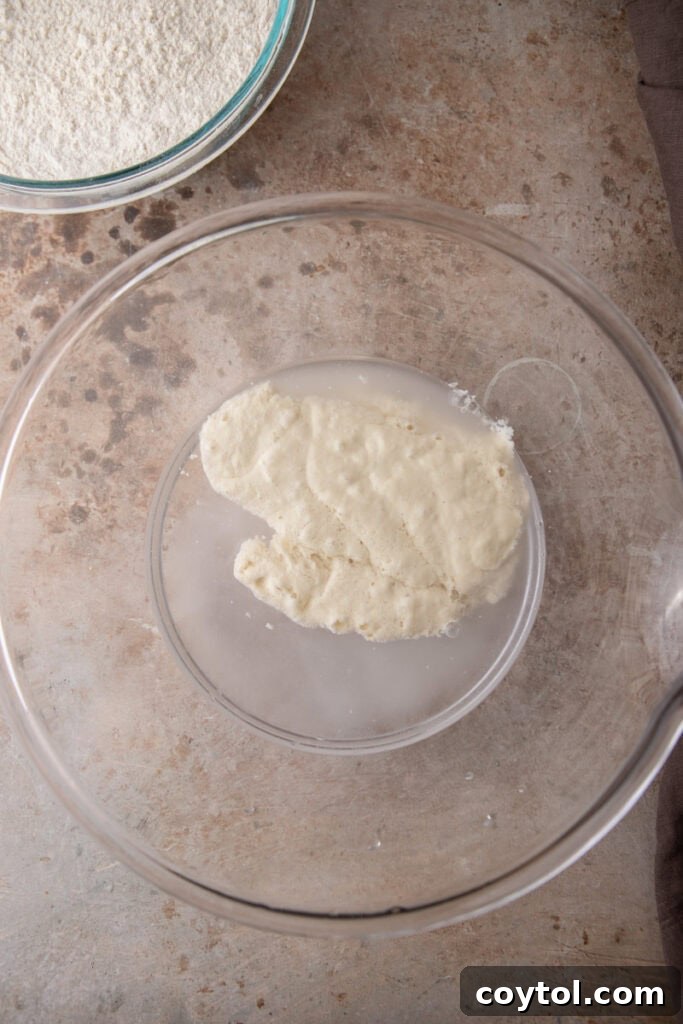
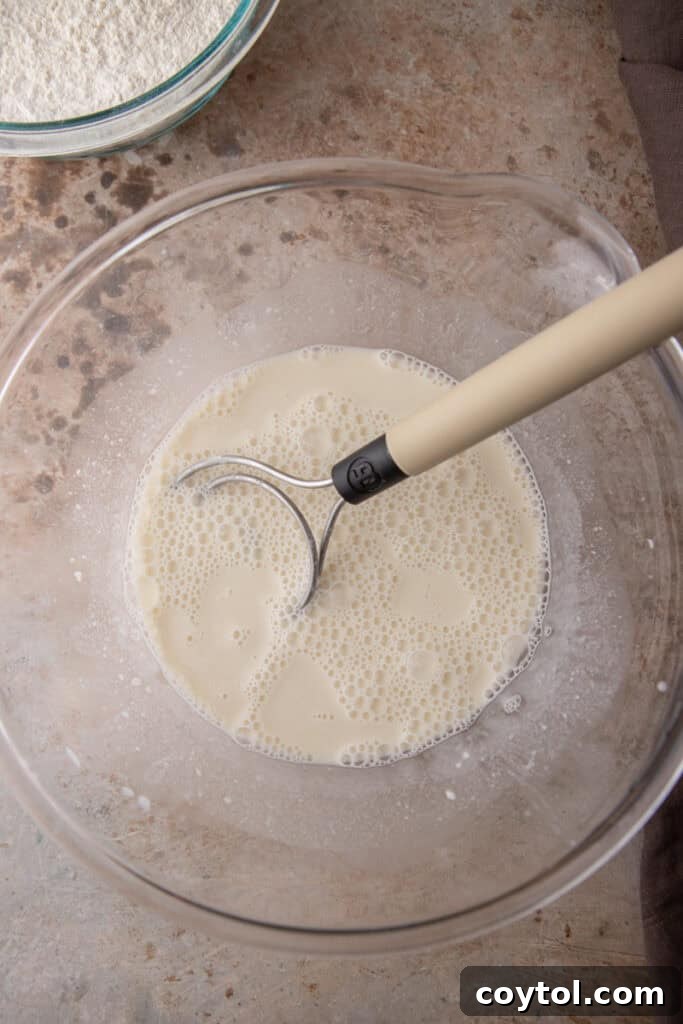
- In a large mixing bowl, combine your active sourdough starter, warm water, and sugar (or honey if using in the dough). Stir thoroughly until all ingredients are well mixed. A bread dough whisk can be particularly helpful for this initial step, ensuring even distribution.
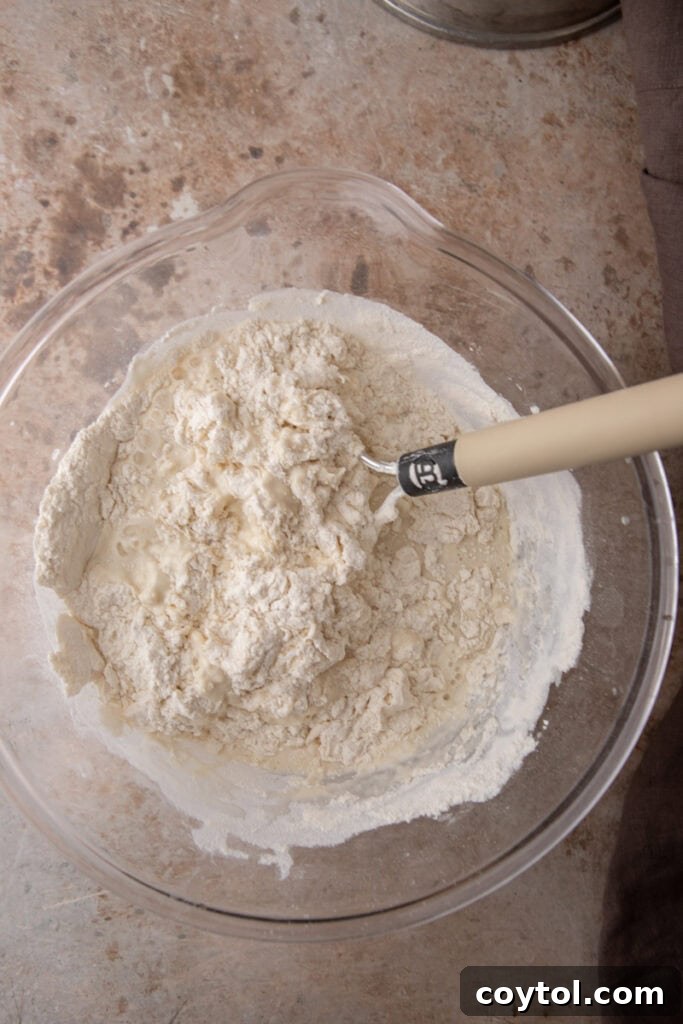
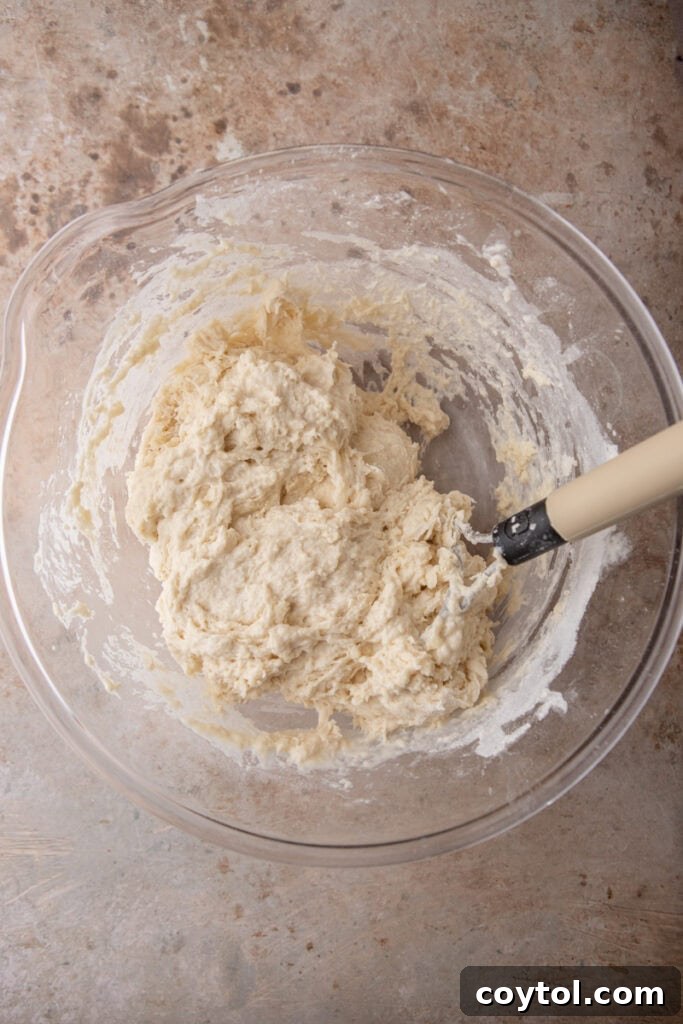
- Gradually incorporate the bread flour and salt into the wet ingredients. Stir until the mixture comes together, forming a shaggy, somewhat sticky dough mass. At this stage, it might not look smooth, but that’s perfectly normal.
- Transfer the dough to a lightly floured work surface. Knead the dough vigorously for 8-10 minutes. This kneading is crucial for developing the gluten, which will give your bagels their signature chewy texture. You’ll know it’s ready when the dough becomes smooth, elastic, and passes the windowpane test (you can stretch a small piece thin enough to see light through it without tearing). If you prefer a less hands-on approach, a stand mixer fitted with a dough hook attachment can do the work for you, potentially reducing kneading time.
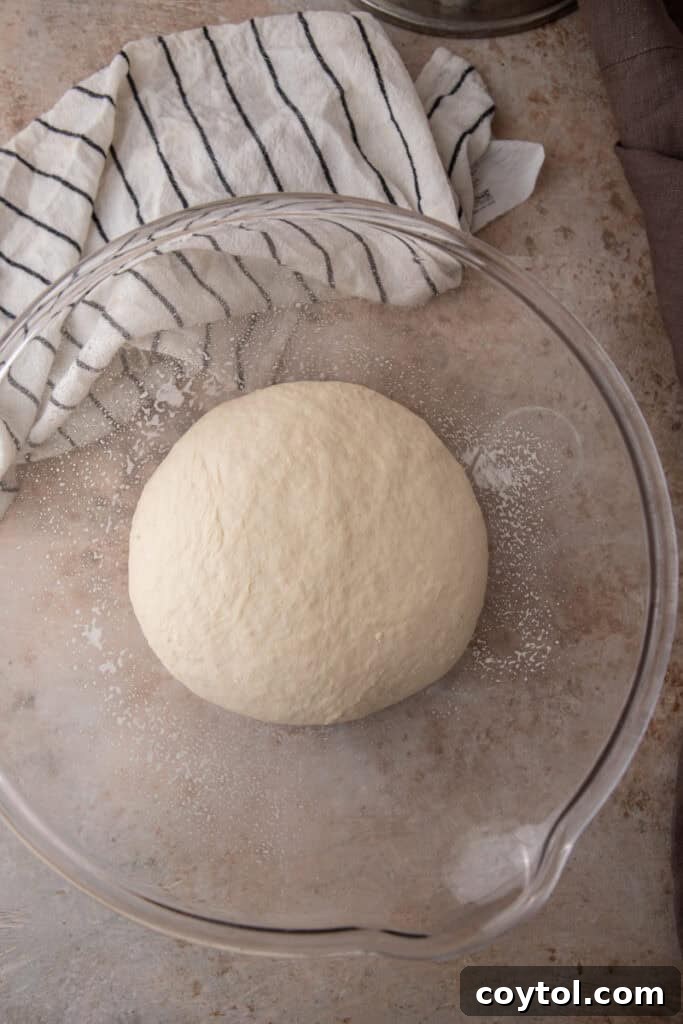
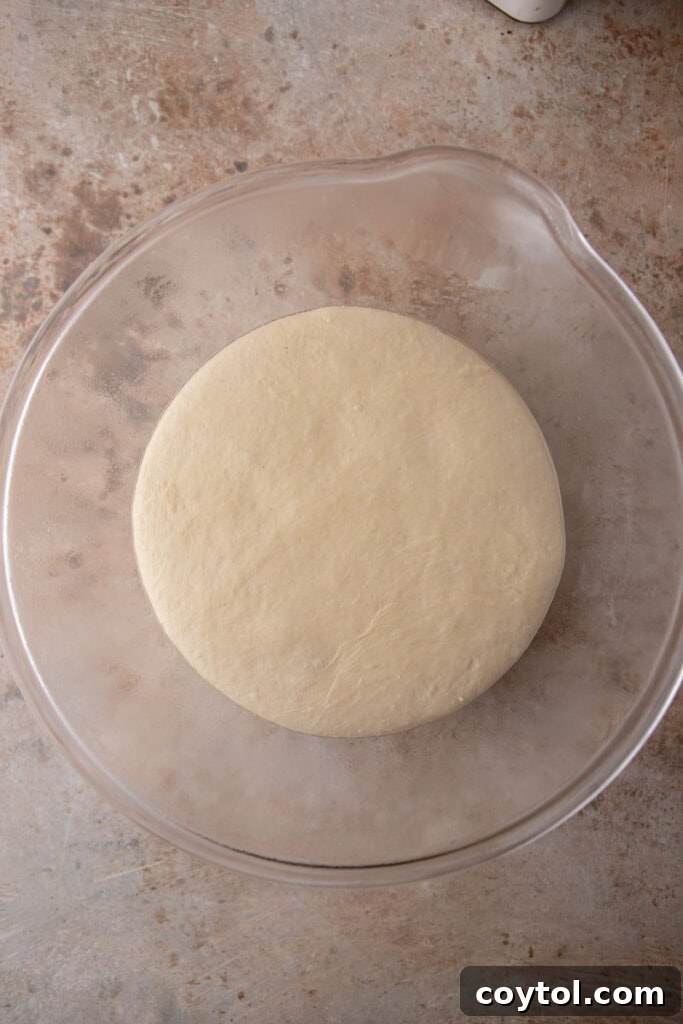
- Once kneaded, lightly grease a clean bowl. Transfer the dough to the greased bowl, ensuring it’s completely covered with a damp kitchen towel or plastic wrap to prevent it from drying out. Allow the dough to rise at room temperature (ideally in a warm spot around 70-75°F / 21-24°C) for 8-10 hours, or overnight, until it has visibly doubled in size.
Pro Tip: If your kitchen is particularly warm, or if you prefer an even longer, slower fermentation for a more pronounced tang, you can place the covered bowl in the refrigerator for the overnight rise. Just be aware that it might take longer to double in size, and you may need to let it come to room temperature for an hour or two the next morning to finish proofing.
Simple Shaping Method for Classic Bagels
Shaping bagels is a fun and surprisingly easy part of the process. This method ensures uniform, classic bagel shapes.
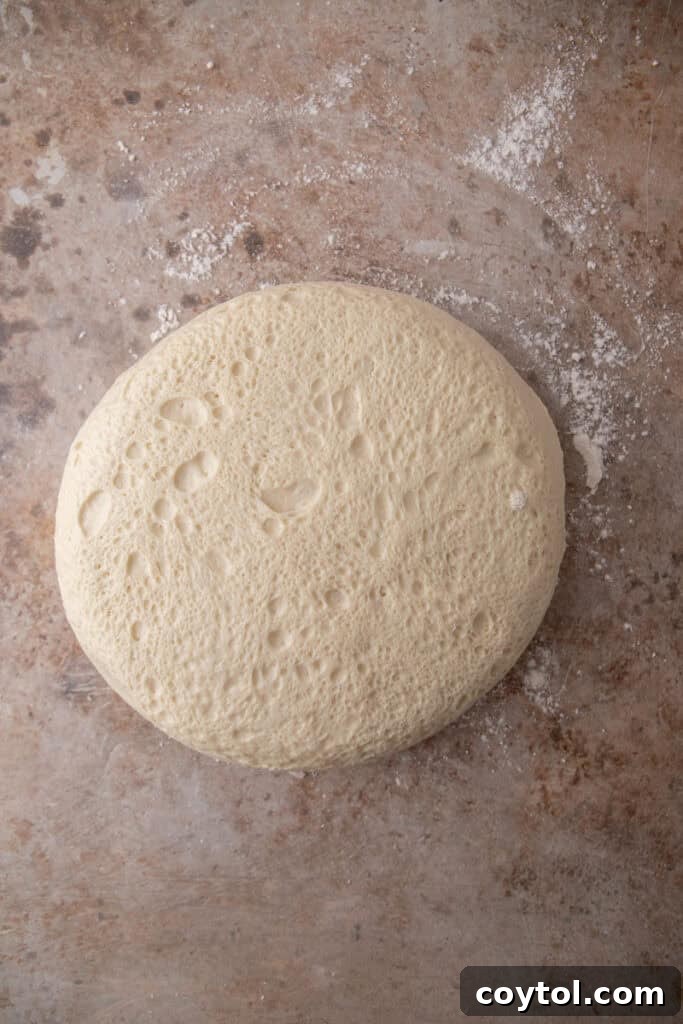
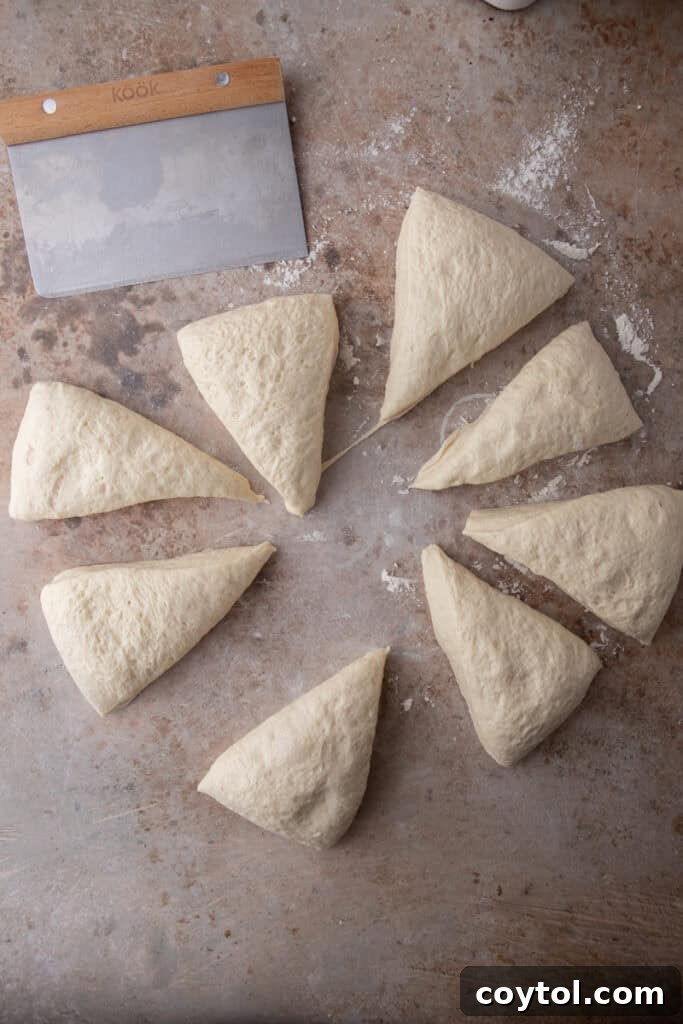
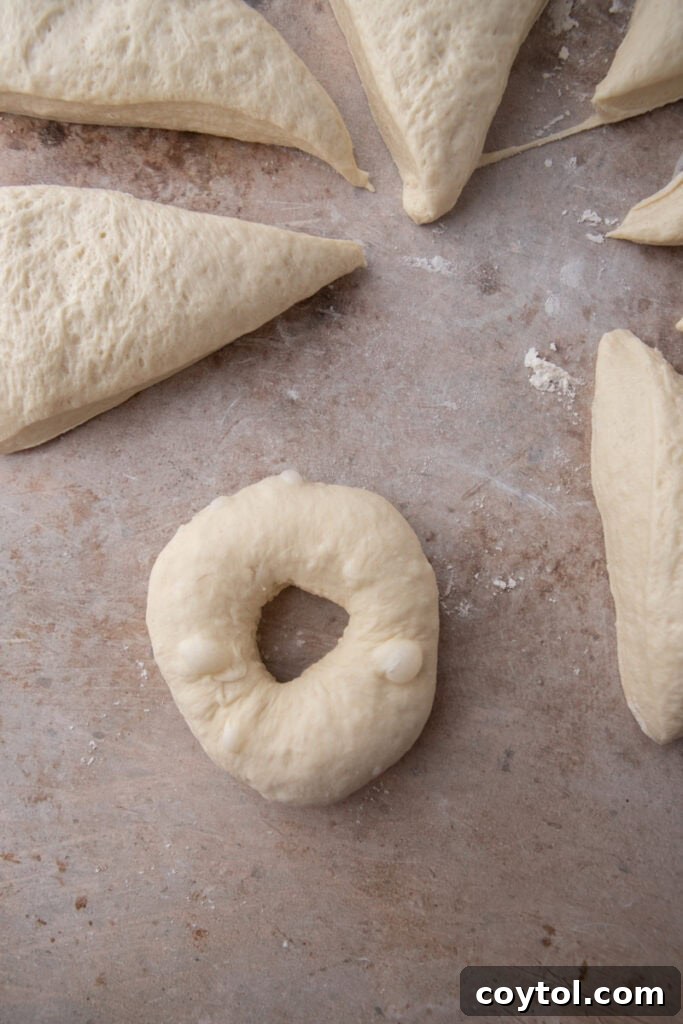
- Gently turn out your risen dough onto a lightly floured work surface. Using a bench scraper, divide the dough into eight equal pieces. For best results and consistent sizing, a kitchen scale is recommended to ensure each piece is the same weight. Roll each piece into a tight, smooth ball.
- To form the classic bagel hole, lightly flour one of your fingers, poke a hole directly in the center of each dough ball, and gently stretch the hole outwards. Aim for a hole that’s approximately 2 inches wide, as it will shrink during proofing and baking.
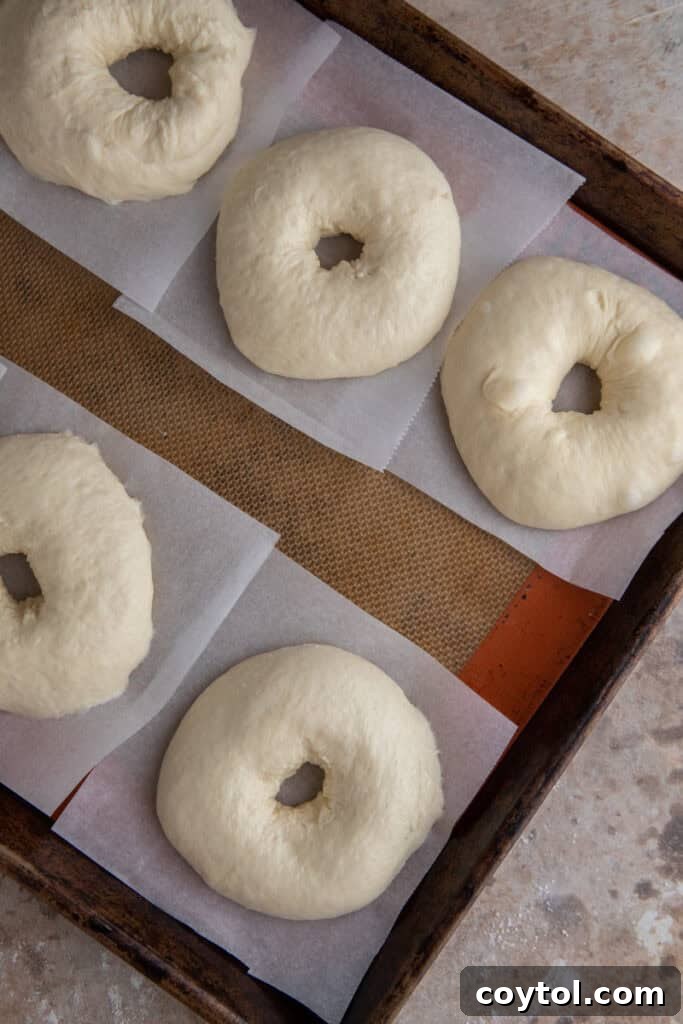
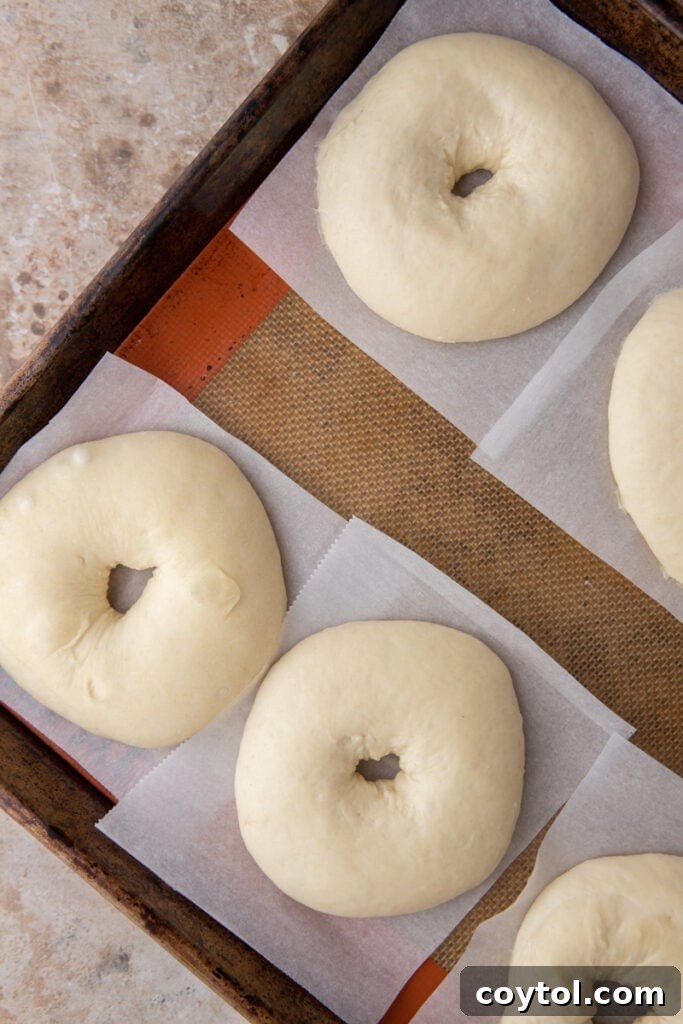
- Arrange the shaped bagels on a baking sheet lined with parchment paper. To make handling easier later, you can cut the parchment paper into individual squares for each bagel. Cover the bagels loosely with a damp towel or plastic wrap and allow them to rest for 30-60 minutes at room temperature. This brief rest helps them relax and become slightly puffy before boiling.
Advanced Shaping Method for a Professional Finish
For a slightly more structured and visually appealing bagel, you can try this advanced shaping technique, often used by professional bakers.
- Take one of the divided dough pieces and gently flatten it into a rectangle, approximately 6 inches long and 3 inches wide. Aim for an even thickness.
- Starting from one of the long edges, tightly roll the rectangle into a snug log. As you roll, pinch the seam closed along the length of the log to ensure it holds its shape.
- Gently stretch the dough log to about 8-10 inches in length. Then, bring the ends of the log together to form a circle, overlapping them by about an inch. Firmly pinch the overlapping ends together to seal the ring. You can gently roll the sealed seam on your counter for a smoother, more seamless finish.
- Place the newly shaped bagels on a parchment-lined baking sheet, cover them with a damp towel or plastic wrap, and allow them to rest for 30-60 minutes before proceeding to the boiling step. This allows the gluten to relax and the bagels to slightly proof.
The Crucial Boil: Achieving the Perfect Chewy Texture
Boiling bagels before baking is what gives them their unique chewy interior and distinct crust. This step gelatinizes the starch on the surface, setting the crust before it bakes.
- Preheat your oven to 425°F (220°C). Prepare your baking sheets by lining them with fresh parchment paper, as the boiled bagels will be quite wet.
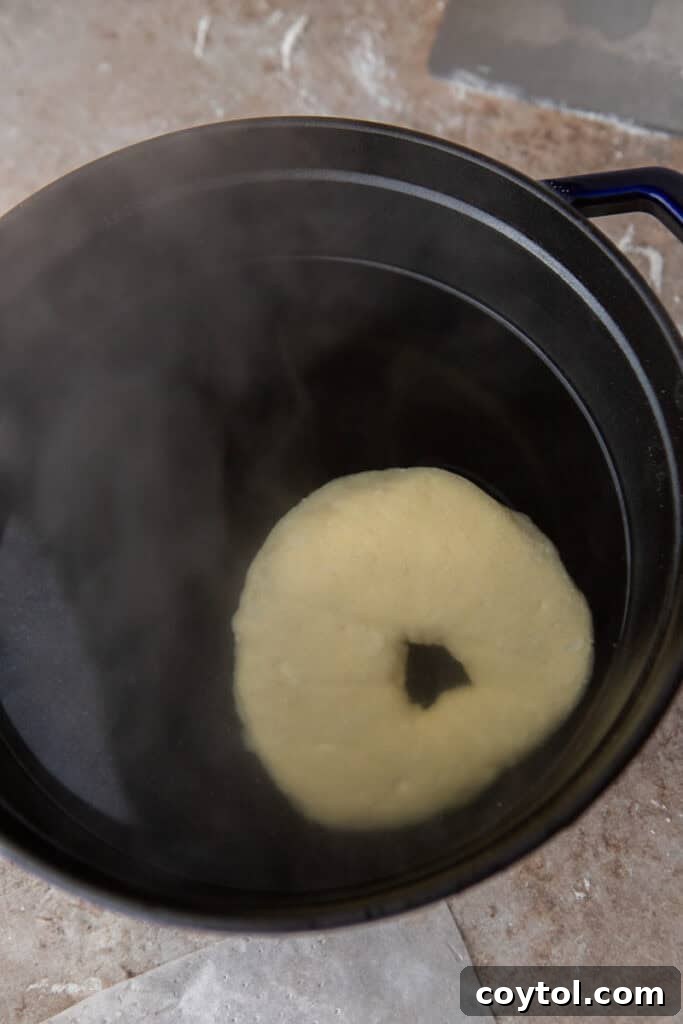
- Fill a large pot with approximately 8 cups of water and bring it to a rolling boil. Stir in the honey (or malt syrup/sugar) until dissolved. This sweetens the water and contributes to the golden color and glossy crust.
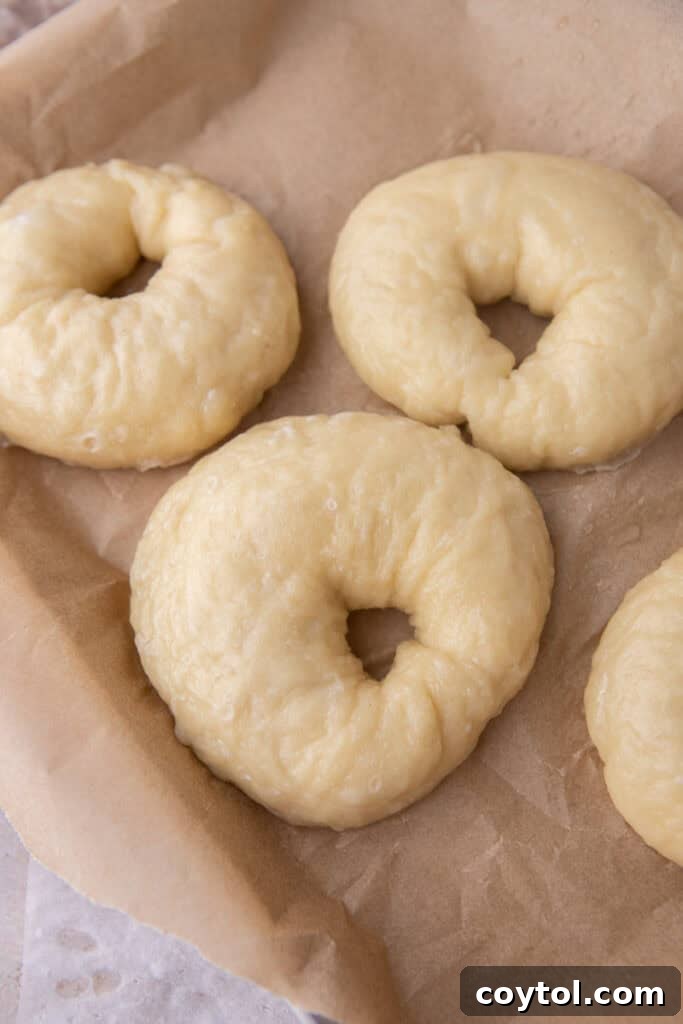
- Carefully drop 2-3 bagels into the boiling water at a time, making sure not to overcrowd the pot. Boil them for 30-45 seconds on each side. Over-boiling can make them too dense, while under-boiling will result in a less chewy texture. Using a slotted spoon or spider, remove the bagels from the water, allowing excess water to drain off, and place them back on the parchment-lined baking sheet.
Add Toppings and Bake to Golden Perfection
The final steps transform your boiled dough into irresistible, golden-brown bagels.
- Once all bagels have been boiled, carefully place them back onto the parchment-lined baking sheet, ensuring they are not touching each other.
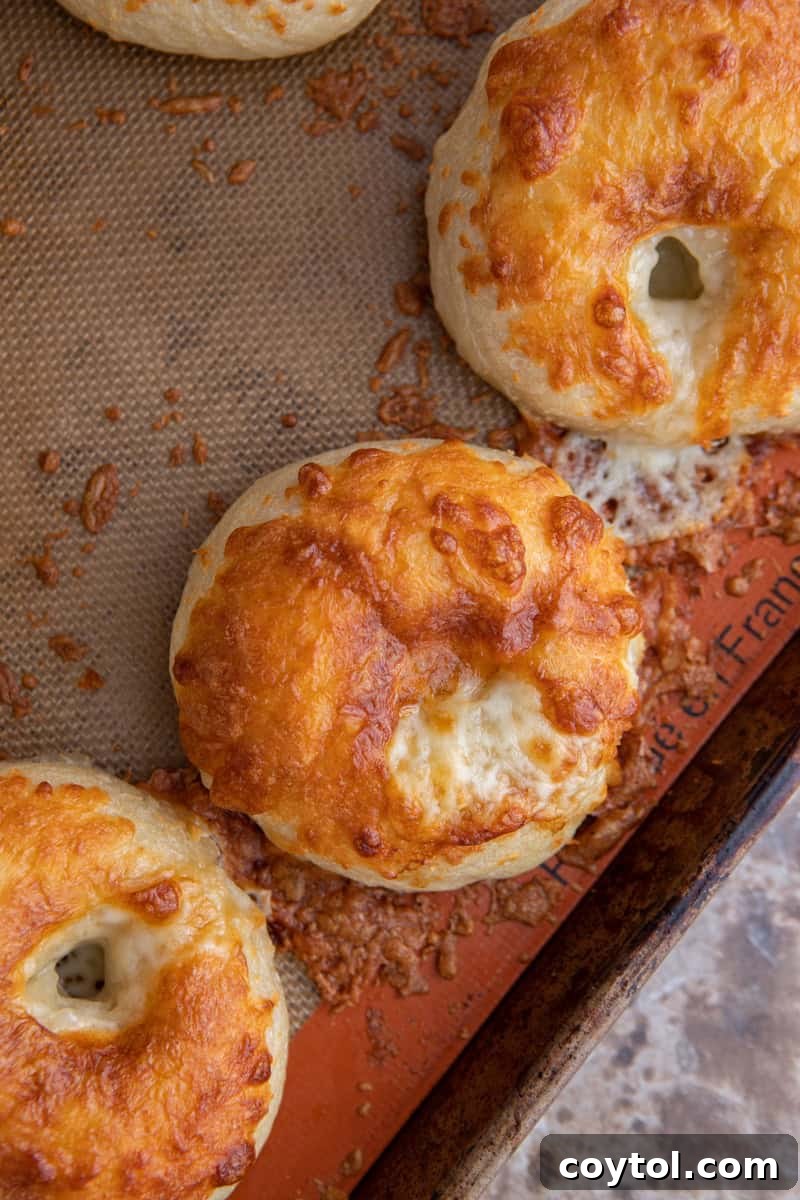
- This is your moment to customize! Generously top each bagel with your desired toppings. For our savory option, sprinkle a generous amount of shredded cheddar cheese and arrange fresh jalapeño slices on top.
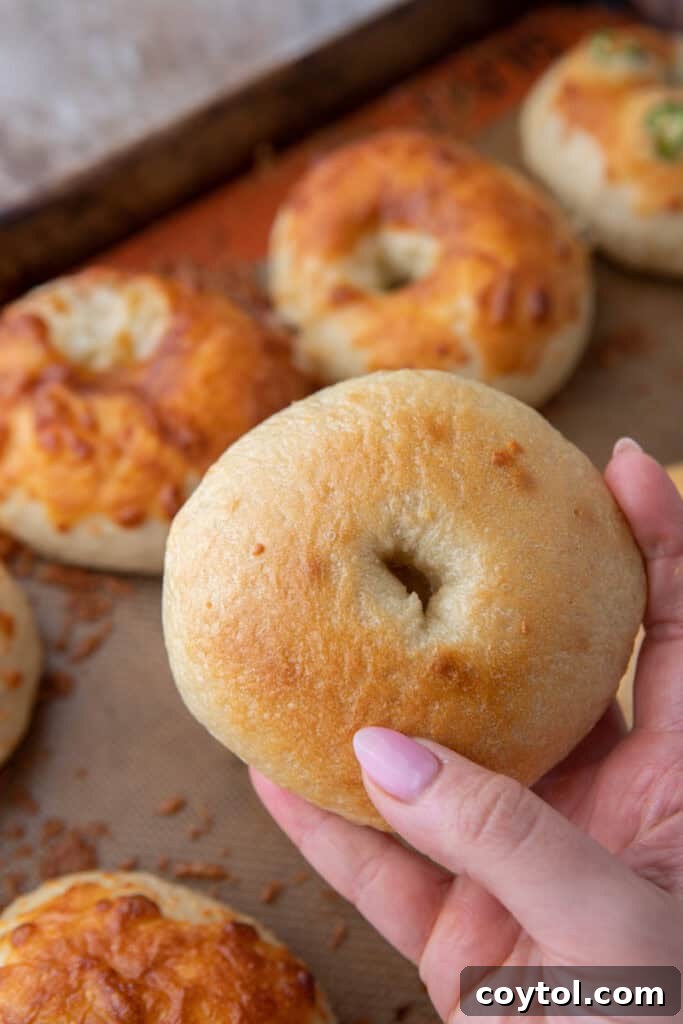
- Transfer the baking sheets to the preheated oven. Bake for 20-25 minutes, or until the bagels are beautifully golden brown, and any cheese toppings are melted, bubbly, and slightly crispy. The exact baking time may vary depending on your oven, so keep an eye on them.
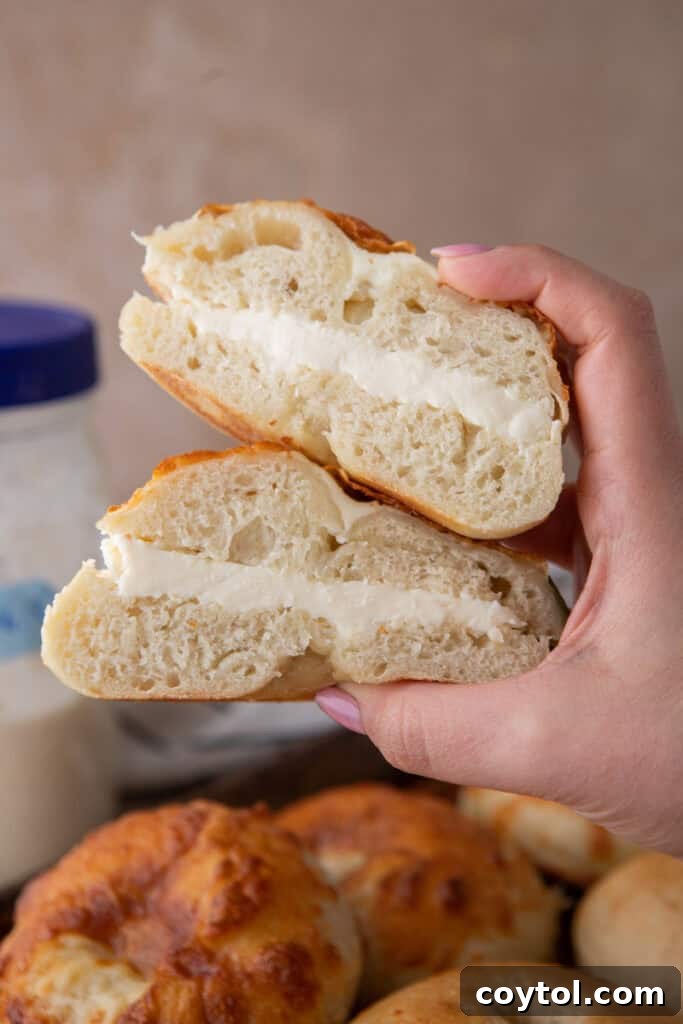
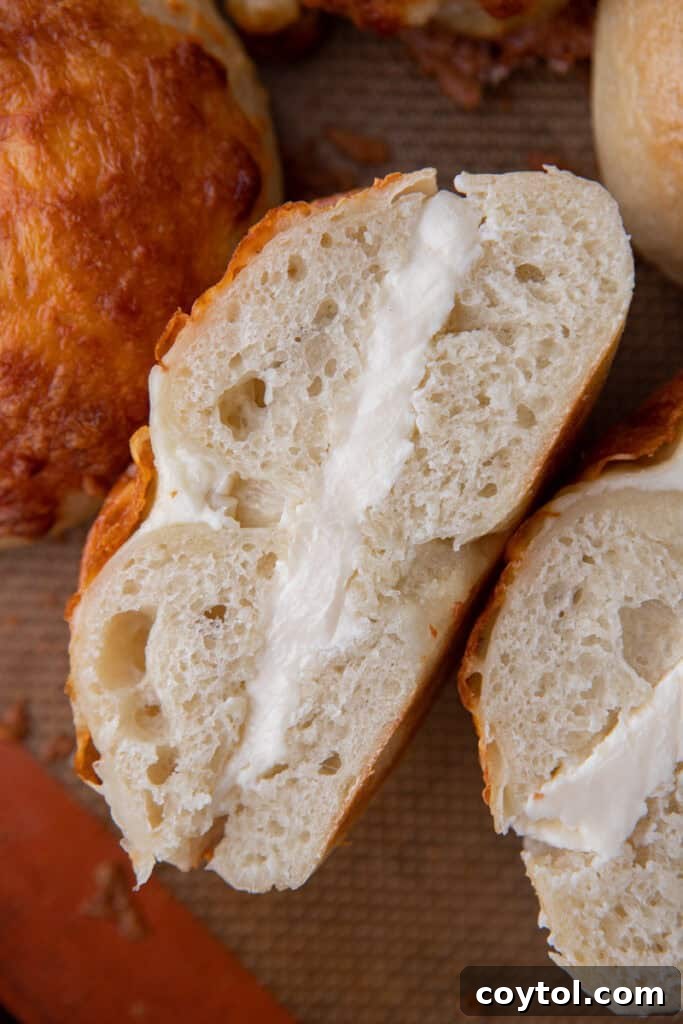
- Once baked, allow the bagels to cool on a wire rack for about 10 minutes. This cooling period is important for the interior to set properly. Enjoy them warm, plain, with a generous smear of cream cheese, or as the foundation for your favorite bagel sandwich!
Inspiring Serving Ideas to Enjoy Your Sourdough Bagels
These homemade sourdough bagels are incredibly versatile and can be enjoyed in countless ways. Here are some ideas to get you started:
- Classic Comfort: Savor them fresh out of the oven, simply split and spread with softened butter or your favorite cream cheese.
- Savory Delights: Elevate your meal by topping them with thinly sliced smoked salmon, briny capers, and crisp red onion. For a heartier option, try a fried egg, avocado, and a sprinkle of everything bagel seasoning.
- Breakfast Sandwiches: Use them as the base for gourmet breakfast sandwiches featuring scrambled eggs, crispy bacon or sausage, fresh tomato, and creamy avocado.
- Sweet Indulgence: For a delicious sweet treat, toast a bagel half and spread it with peanut butter, a drizzle of honey, or your favorite fruit jam. Cinnamon sugar bagels are also fantastic with a light glaze.

Expert Tips and Tricks for Sourdough Bagel Success
Achieving bakery-quality sourdough bagels at home is entirely possible with a few key considerations and techniques. Keep these tips in mind as you bake:
- Ensure Your Starter is Peak Active: A bubbly, robust, and recently fed active sourdough starter is non-negotiable for proper rise and the perfect chewy texture. If your starter isn’t active, your dough won’t rise effectively.
- Temperature Matters for Fermentation: Always adjust the dough’s bulk fermentation (first rise) time based on your kitchen’s temperature. In warmer environments, the dough will rise faster; in cooler spaces, it will take longer. If your dough hasn’t doubled in size after 8-10 hours, simply give it more time to ferment. Patience is a virtue in sourdough baking!
- The Power of Cold Fermentation: After shaping your bagels, consider chilling them overnight in the refrigerator before boiling and baking. This slow, cold fermentation further develops a deeper, more complex tangy flavor and contributes to a better texture.
- Don’t Overcrowd the Pot: When boiling your bagels, only place 2-3 at a time in the pot. Overcrowding will cause the water temperature to drop significantly, leading to uneven cooking and potentially sticky bagels.
- Precision with a Kitchen Scale: For the most accurate and consistent results, especially with bread flour, always measure your ingredients using a kitchen scale rather than volume measurements (cups). This is particularly important in sourdough baking where hydration levels are precise.
- Parchment Paper is Your Friend: Use parchment paper for both resting and baking your bagels. It prevents sticking and makes transferring the boiled bagels much easier.
Common Issues and How to Fix Them:
Even experienced bakers encounter challenges. Here’s how to troubleshoot some common sourdough bagel problems:
- Dough Won’t Rise: The most frequent culprit is an inactive sourdough starter. Double-check that your starter is fed, bubbly, and passes the float test before you begin. Also, ensure your proofing environment is warm enough (ideally 75-80°F / 24-27°C) for the yeast to be active.
- Bagels are Dense or Rock-Hard: This often indicates underproofing. Ensure your dough has fully doubled in size during its first rise. Additionally, do not skip the boiling step; it’s absolutely crucial for setting the crust and achieving that characteristic chewiness.
- Bagels Flatten After Shaping: This can happen if the dough is overproofed (too warm or left too long) or if it’s overworked during shaping. Be gentle when handling the dough after the bulk rise, and ensure you’re not adding too much extra flour.
Why You Need to Make This Easy Homemade Sourdough Bagel Recipe
Opting for homemade sourdough bagels over store-bought alternatives offers a multitude of compelling reasons:
- Skip the Line, Enjoy the Freshness: Imagine fresh, warm bagels right from your own oven, without the wait at the local bagel shop. The taste and aroma of freshly baked bread are incomparable.
- Superior Flavor and Depth: Sourdough bagels inherently offer a more complex and satisfying flavor profile than regular bagels. The natural fermentation introduces an irresistible tang and depth that plain yeast bagels simply can’t achieve.
- Unleash Your Creativity: This recipe provides the perfect base for endless customization. Experiment with various flours, incorporate different mix-ins into the dough, and adorn them with your favorite toppings to create a unique bagel experience every time.
- Digestive Benefits: Thanks to the sourdough starter’s pre-digestion of starches and gluten, these bagels can be easier on the stomach for many, making them a more comfortable and enjoyable choice.
- The Joy of Baking: There’s immense satisfaction in baking your own bread from scratch. The process itself is therapeutic, and the end result is a delicious, wholesome product you made with your own hands.
Frequently Asked Questions (FAQ) About Sourdough Bagels
Can I use all-purpose flour instead of bread flour for these bagels?
While you can use unbleached all-purpose flour, your bagels will likely not have the same signature chewy texture. Bread flour has a higher protein content, which is crucial for developing the strong gluten network that gives bagels their characteristic chew. All-purpose flour will result in a softer bagel. If using all-purpose, ensure it is unbleached, as the bleaching process can weaken the live bacteria and yeast in your sourdough starter, potentially hindering its activity.
How do I know if my sourdough starter is active enough?
An active sourdough starter should be very bubbly and have roughly doubled in size within 4-8 hours after being fed. A simple float test can also indicate its readiness: drop a small spoonful of your starter into a glass of water. If it floats, it’s active and ready to use; if it sinks, it may need another feeding or more time. For more in-depth guidance, check out our Simple Sourdough Starter Recipe for Beginners.

How do I store leftovers of my sourdough bagels?
To keep your bagels fresh, store them in an airtight container or a sealed plastic bag at room temperature for up to 2 days. For extended freshness, they can be kept in the refrigerator for up to a week. For longer-term storage, slice them in half, place them in a freezer-safe bag, and freeze for up to 3 months. When you’re ready to enjoy them, simply toast directly from frozen for a warm, delicious treat.
What different toppings can I try on my sourdough bagels?
The possibilities for bagel toppings are virtually endless! Beyond the delicious cheese and jalapeño combination, consider these ideas:
- Savory: Everything bagel seasoning, black or white sesame seeds, poppy seeds, dried minced garlic or onion, caraway seeds, finely chopped sun-dried tomatoes with basil, crumbled feta cheese, or a sprinkle of coarse sea salt.
- Sweet: Cinnamon sugar mixture (sprinkled before baking), chocolate chips (mini ones work best), a honey glaze (applied after baking), chopped dried cranberries or blueberries, or a streusel topping for a dessert-like bagel.

The Best Sourdough Bagels Recipe

Sourdough Bagels Recipe
40
25
1 5
8
servings
Print Recipe
Ingredients
For the Dough:
- 1 cup active sourdough starter bubbly and fed
- 1 ½ cups warm water
- 4 cups bread flour
- 2 tsp salt
- 1 tbsp sugar
For Boiling:
- 8 cups water
- 1 tbsp honey or sugar
For Topping, optional
- 1 cup shredded cheddar cheese
- fresh jalapeños thinly sliced
Instructions
Make the Dough
-
In a large bowl, mix the active sourdough starter, warm water, and sugar until combined.
-
Add the bread flour and salt, mixing until a shaggy dough forms.
-
Knead the dough on a lightly floured surface for about 8-10 minutes until smooth and elastic. You can also knead it in a stand mixer using a hook attachment.
-
Place the dough in a greased bowl, cover with a damp towel, and let it rise at room temperature for 8-10 hours (overnight) until doubled in size.
-
You can place it in the fridge overnight if your kitchen is higher than 75°F (24°C), pull it out in the morning and allow it to double in size at room temperature if it hasn’t in the fridge yet.
Easy Shaping Method
-
Divide the dough into 8 equal pieces. Shape each piece into a ball.
-
Poke a hole in the center of each ball with your finger and stretch it to form a bagel shape, about 2 inches wide.
-
Place the bagels on a parchment-lined baking sheet, cover with a damp towel, and let rest for 30-60 minutes.
Boil the Bagels:
-
Preheat your oven to 425°F (220°C).
-
Bring 8 cups of water and honey to a boil in a large pot.
-
Drop 2-3 bagels at a time into the boiling water. Boil for 30-45 seconds on each side, then remove with a slotted spoon.
Add Toppings (optional) and Bake:
-
Place boiled bagels back on the parchment-lined baking sheet.
-
Top each bagel generously with the cheese and jalapeños if using.
-
Bake for 20-25 minutes, or until the bagels are golden brown and the cheese is bubbly and slightly crispy.
-
Let the bagels cool on a wire rack for 10 minutes before serving. Pair with cream cheese or enjoy as-is!
Notes
• For extra flavor, sprinkle a little garlic powder or smoked paprika over the cheese topping.
• Store leftovers in an airtight container and toast before serving to refresh their texture.
Nutrition
|
Carbohydrates: 53g
|
Protein: 12g
|
Fat: 6g
|
Saturated Fat: 3g
|
Polyunsaturated Fat: 1g
|
Monounsaturated Fat: 1g
|
Cholesterol: 14mg
|
Sodium: 687mg
|
Potassium: 74mg
|
Fiber: 2g
|
Sugar: 2g
|
Vitamin A: 143IU
|
Calcium: 117mg
|
Iron: 1mg
Nutrition information is automatically calculated, so should only be used as an approximation.
If you enjoyed this sourdough bagels recipe, make sure to pin it for later!