

The Ultimate Guide to 7 Best Egg Substitutes for Baking
Whether you’re navigating dietary restrictions, embracing a vegan lifestyle, or simply ran out of eggs in the middle of a baking frenzy, finding a reliable egg substitute is a crucial skill for any home baker. Eggs play a multifaceted role in baking, acting as binders, leavening agents, and contributors to flavor and texture. Understanding these functions is the first step to successfully swapping them out without compromising your delicious treats. This comprehensive guide will walk you through the seven best egg substitutes for baking, offering practical advice, usage tips, and insights into how each one performs. Get ready to transform your baking game and create amazing egg-free masterpieces!

Why Consider Egg Substitutes in Your Baking?
The reasons for seeking alternatives to eggs in baking are diverse and deeply personal. For many, it’s a matter of dietary health, avoiding cholesterol or saturated fats. Others adhere to specific cultural or religious dietary guidelines that exclude eggs. The growing popularity of plant-based and vegan lifestyles means a significant portion of bakers are looking for cruelty-free options. Furthermore, individuals with egg allergies or sensitivities need reliable substitutes to enjoy baked goods safely. Whatever your motivation, knowing effective egg substitutes for baking opens up a world of culinary possibilities, ensuring no one misses out on delicious homemade treats.
It’s important to note a general rule of thumb: recipes requiring fewer eggs are typically easier to adapt with substitutes. Replacing one or two eggs is usually straightforward, while recipes heavily reliant on eggs (like custards or quiches) can be more challenging. Also, be mindful that certain substitutes, such as bananas or applesauce, can subtly alter the flavor profile of your finished product. This isn’t necessarily a bad thing; it can even add a delightful twist to your favorite recipes!
How Eggs Function in Baking: The Science Behind the Swap
Before diving into specific substitutes, it’s crucial to understand the vital roles eggs play in baking. Each function contributes to the texture, structure, and taste of your final product. When choosing an egg substitute for baking, you’re essentially looking for an ingredient that can mimic one or more of these properties.
- Binding: Eggs are excellent binders. The proteins in eggs coagulate when heated, helping to hold dry ingredients together. Without a proper binder, baked goods can crumble and fall apart. An effective egg replacement needs to provide a similar cohesive quality, often through a liquid or gelatinous consistency.
- Leavening (Lifting): Eggs, particularly egg whites when whipped, incorporate air into batters, contributing to a light and airy texture. This leavening action comes from both the protein structure and the liquid content of the egg. A good substitute might offer some protein content or create gas when combined with other ingredients (like baking soda and acid) to provide a lift.
- Structure: The proteins in egg whites are primarily responsible for setting the structure of baked goods as they bake. They provide stability, preventing cakes from collapsing and cookies from spreading too much. Substitutes that can form a stable matrix upon heating are ideal for mimicking this structural support.
- Moisture and Richness: Egg yolks contain fat and lecithin, which contribute significantly to the moisture, richness, and tender crumb of baked goods. This fat also enhances flavor. An appropriate egg alternative should either provide a degree of moisture or fat to prevent a dry or bland result.
- Flavor and Color: While often subtle, eggs impart a distinct savory richness and a golden hue to many baked goods. Some substitutes might influence the flavor or color more noticeably, which can be either an advantage or something to consider in your recipe.
Understanding these functions empowers you to select the best egg replacer for your specific recipe and desired outcome.
Top 7 Egg Substitutes for Baking: Your Go-To Guide
Now that we understand the ‘why’ and ‘how’ of egg substitution, let’s explore the most effective ingredients you can use. These seven options are widely accessible, versatile, and proven to deliver excellent results in various baked goods.
-
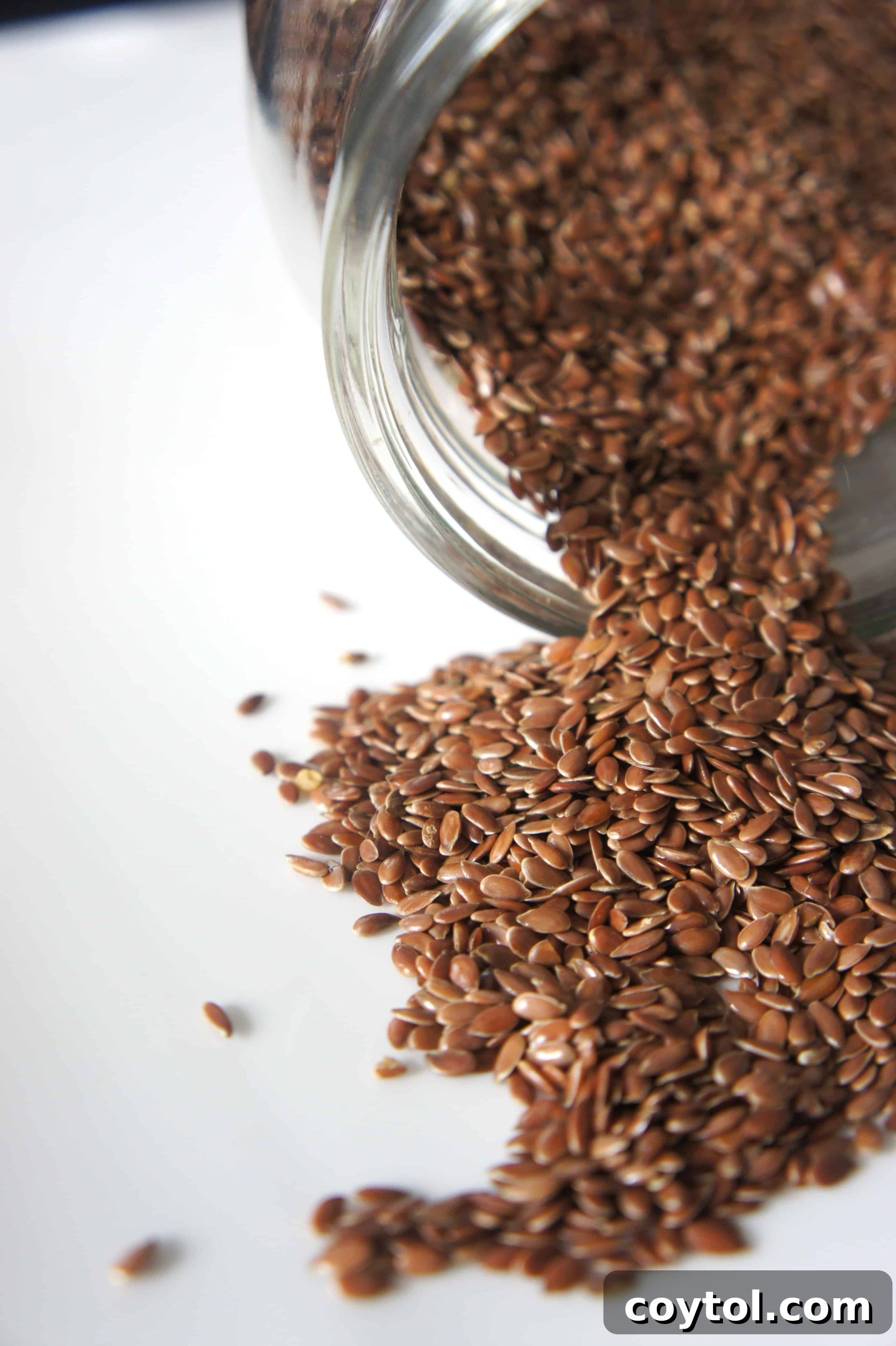
Flax Seeds (Flax Egg)
Often referred to as a “flax egg,” this fiber-packed seed is perhaps the most popular and reliable vegan egg substitute for baking. Its ability to create a gelatinous texture when mixed with water makes it an exceptional binder, closely mimicking the properties of a traditional egg. Flax seeds are rich in omega-3 fatty acids and fiber, adding a nutritional boost without significantly altering the flavor of your recipe.
How to make a Flax Egg:
To prepare a flax egg, you’ll need ground flax seeds. You can buy them pre-ground or grind whole flax seeds in a coffee grinder or a NutriBullet.
Ratio: 1 tablespoon ground flax seed + 3 tablespoons water = 1 egg
Mix the ground flax seed with water and let it sit for 5-10 minutes. It will thicken into a gel-like consistency, similar to a raw egg white. This “flax egg” is then ready to be incorporated into your recipe.
Best for:
Flax eggs are excellent for dense baked goods like cookies, muffins, quick breads, brownies, and even some cakes where a strong binding agent is needed. They provide good structure and help prevent crumbling.
Flavor/Texture Impact:
Flax seeds have a slightly nutty flavor, which is generally imperceptible in most baked goods, especially those with stronger flavors like chocolate or spices. They can contribute a slightly denser texture to the final product compared to eggs.

Mashed banana: a sweet and moist egg substitute. -
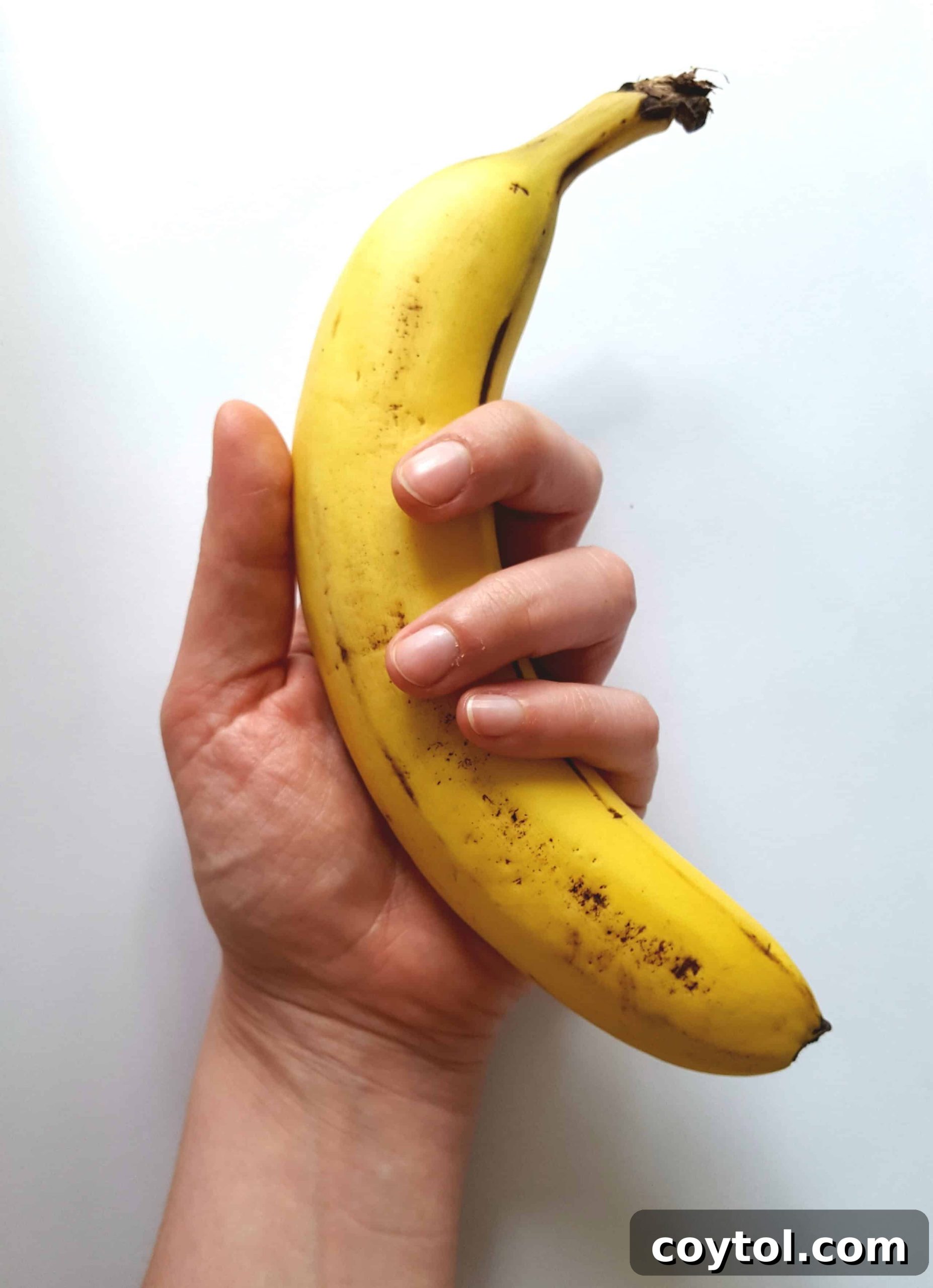
Banana (Mashed)
Mashed bananas are another fantastic natural egg substitute, particularly well-suited for recipes where you desire added moisture and a subtle fruity sweetness. Bananas provide excellent binding properties due to their starchy content and pectin, while also contributing to the structure of your baked goods.
How to use:
To replace one egg, use a quarter cup of well-mashed ripe banana. Ensure the banana is very ripe (with brown spots) for the best mashing consistency and sweetness.
Ratio: 1/4 cup (approx. 1/2 a medium banana), well mashed = 1 egg
Best for:
Bananas work wonders in muffins, quick breads, pancakes, and softer cakes. They are especially good in recipes where a dense, moist texture is desired.
Flavor/Texture Impact:
Using mashed banana will introduce a noticeable banana flavor to your baked goods. This can be a delightful addition, but it’s something to consider for recipes where a neutral flavor is preferred. They also contribute significant moisture and can result in a slightly denser, chewier texture.
-
Apple Sauce
Unsweetened applesauce is a versatile egg substitute for baking, prized for its ability to add moisture and bind ingredients. Like bananas, applesauce contains pectin, which helps in creating structure. It’s also frequently used as a fat replacement, making it a healthy choice for many recipes.
How to use:
For each egg you need to replace, use a quarter cup of unsweetened applesauce. If you only have sweetened applesauce, be sure to reduce the amount of sugar in your recipe accordingly to avoid overly sweet results.
Ratio: 1/4 cup unsweetened applesauce = 1 egg
Best for:
Applesauce is excellent in muffins, quick breads, cakes, and even some cookie recipes. It’s particularly effective in recipes that benefit from extra moisture and a tender crumb.
Flavor/Texture Impact:
Unsweetened applesauce offers a very mild, slightly tart flavor that generally blends well into most recipes without overpowering them. It contributes to a moist, soft texture.
Yogurt: A versatile option for moisture and structure. -
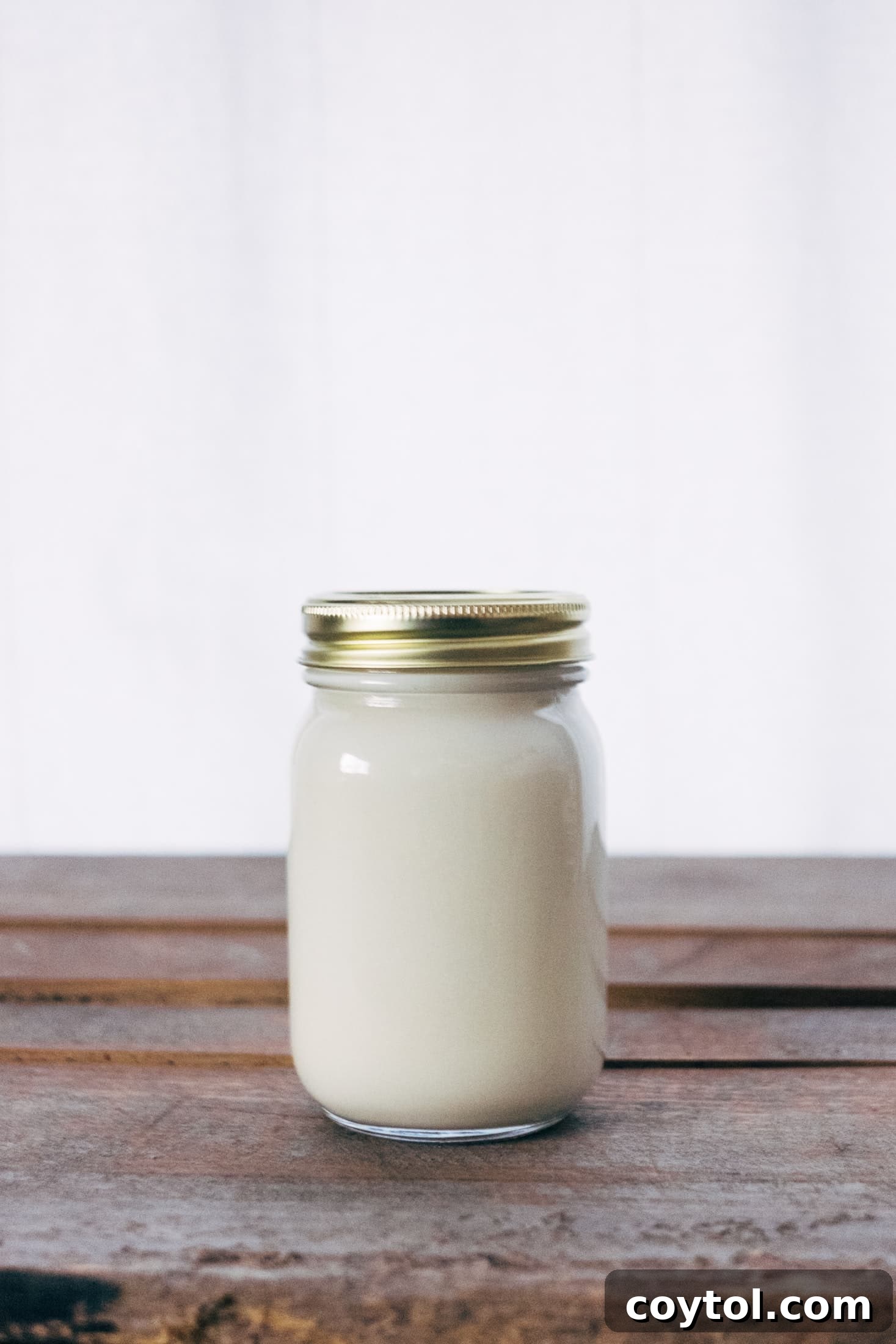
Yogurt (Dairy or Plant-Based)
Yogurt, whether dairy-based or a plant-based alternative (like soy, almond, or coconut yogurt), is a fantastic egg substitute that excels in binding, providing moisture, and aiding in leavening. It offers a good balance of liquid, protein, and often fat, making it a reliable choice for rich, tender baked goods. If you opt for dairy yogurt, remember your recipe will no longer be vegan.
How to use:
Use a quarter cup of plain, unsweetened yogurt (dairy or plant-based) to replace one egg. Greek yogurt or thicker yogurts might require a tiny splash more liquid in the overall recipe, but generally work well.
Ratio: 1/4 cup plain yogurt = 1 egg
Best for:
Yogurt is ideal for cakes, muffins, quick breads, and pancakes. Its acidity can also react with baking soda to provide extra lift, resulting in fluffier textures.
Flavor/Texture Impact:
Plain yogurt has a tangy flavor that can complement many baked goods, especially those with berries or citrus. It contributes to a wonderfully moist and tender crumb. Choose unsweetened varieties to control the sugar content of your recipe.
-
Plain Silken Tofu
Silken tofu is a unique and effective egg substitute, especially favored for its neutral flavor profile. It’s a fantastic option when you want to replace an egg without introducing any new tastes to your recipe. Its high water content and smooth, creamy texture make it an excellent binder and moisture provider.
How to use:
To replace one egg, use a quarter cup of pureed plain silken tofu. The key is to blend the tofu until it’s perfectly smooth and creamy, with no lumps, using a blender or food processor.
Ratio: 1/4 cup pureed silken tofu = 1 egg
Best for:
Silken tofu works exceptionally well in dense cakes, brownies, quick breads, and even cheesecakes. It contributes to a moist, rich, and slightly dense texture.
Flavor/Texture Impact:
One of the biggest advantages of silken tofu is its neutral flavor, ensuring the taste of your original recipe remains intact. It imparts a creamy mouthfeel and a slightly denser, yet very moist, texture.
Avocado: adding richness and healthy fats. -
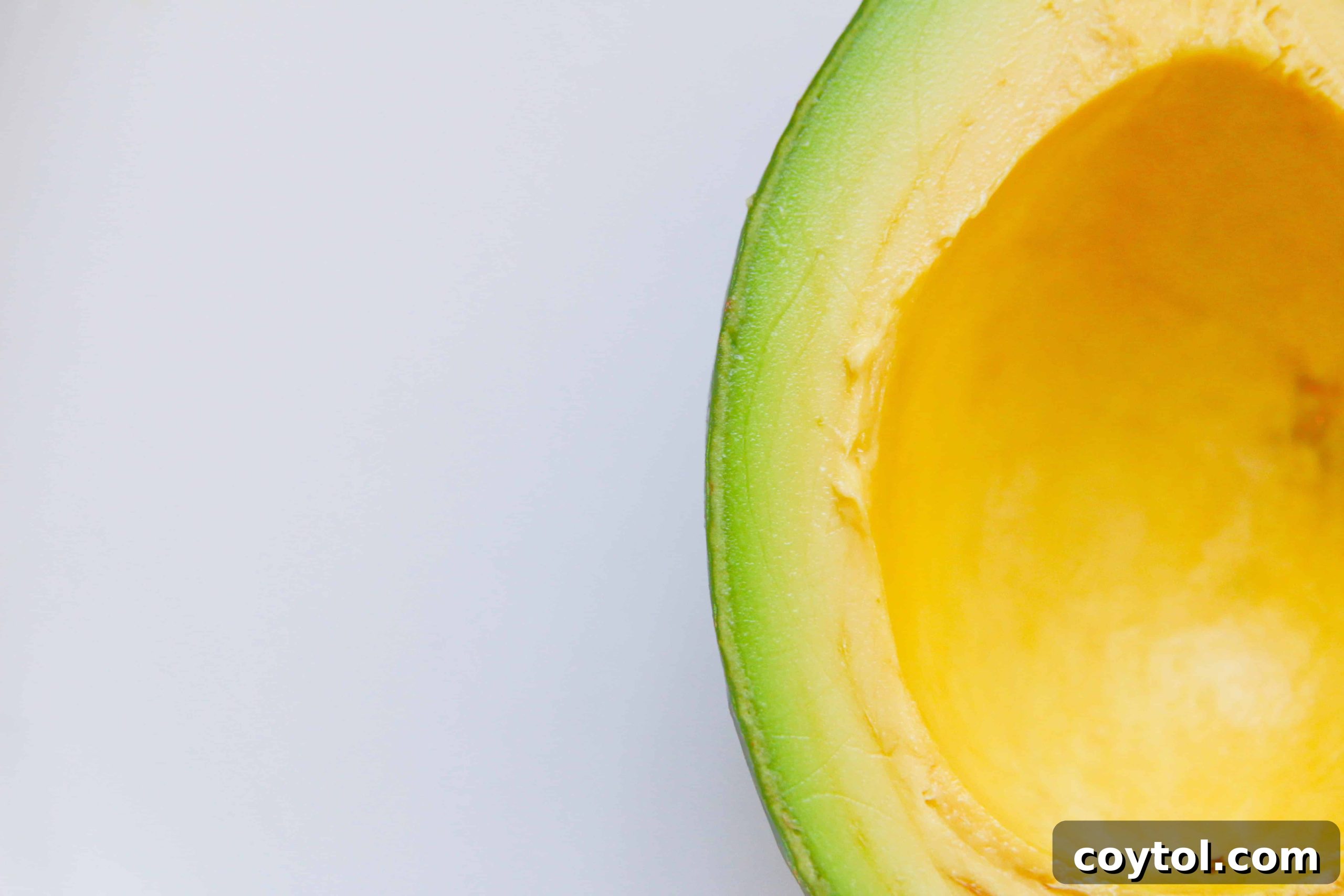
Avocado (Mashed)
Avocados, often hailed as a superfood, are surprisingly versatile in baking and can serve as an excellent egg substitute. They are packed with heart-healthy monounsaturated fats, vitamins, minerals, and fiber, making them a nutritious choice. When mashed or pureed, avocados provide remarkable binding, moisture, and richness, contributing to a wonderfully dense mouthfeel.
How to use:
Use a quarter cup of well-mashed avocado to replace one egg. Ensure the avocado is ripe and thoroughly mashed or pureed to avoid lumps in your batter.
Ratio: 1/4 cup mashed avocado = 1 egg
Best for:
Avocado is particularly good in brownies, chocolate cakes, cookies, and other dense, moist baked goods where its rich texture can shine.
Flavor/Texture Impact:
While avocado itself has a mild flavor, it can impart a slightly green hue to light-colored baked goods, which might be a fun visual for some recipes (like a mint-flavored cake) or something to be aware of for others. It adds incredible richness, moisture, and a dense, fudgy texture.
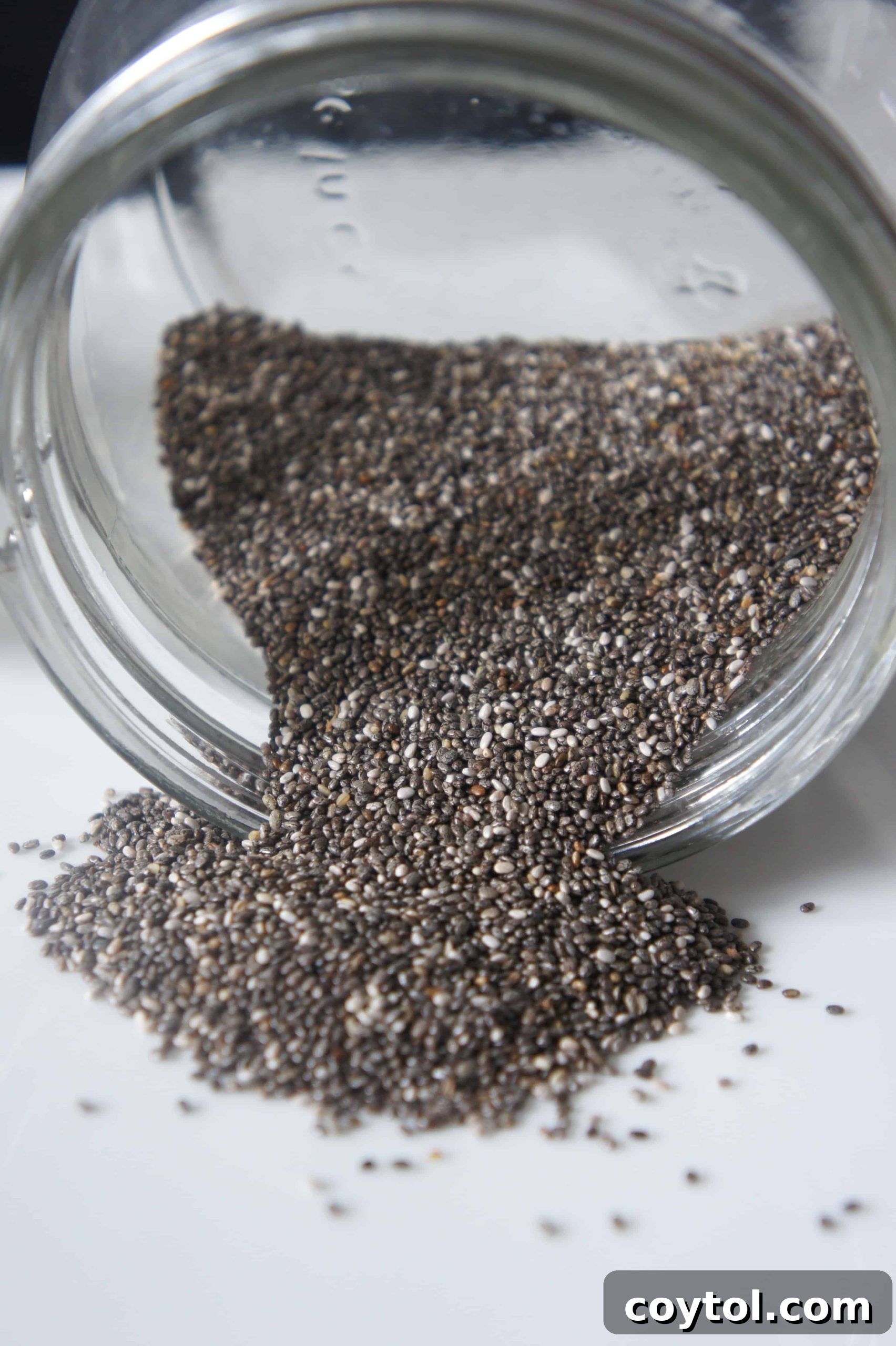
Chia seeds: tiny powerhouses for binding and nutrition. -
Chia Seeds (Chia Egg)
Similar to flax seeds, chia seeds are another fantastic “superfood” that create a gelatinous mixture when combined with water, making them an effective egg substitute for baking. Chia seeds are a nutritional powerhouse, rich in fiber, omega-3 fatty acids, protein, iron, and calcium.
How to make a Chia Egg:
To create a chia egg, simply mix one tablespoon of whole or ground chia seeds with three tablespoons of water. Let the mixture sit for about 15-30 minutes, or until it forms a thick, gelatinous consistency. Unlike flax seeds, chia seeds don’t necessarily need to be ground, but grinding them can create a smoother texture in your baked goods.
Ratio: 1 tablespoon chia seeds + 3 tablespoons water = 1 egg
Best for:
Chia eggs are ideal for recipes that need a good binder and can benefit from a slight thickening agent, such as muffins, quick breads, cookies, and some cakes.
Flavor/Texture Impact:
Chia seeds have a very mild, almost undetectable flavor in most baked goods. If using whole chia seeds, they will add tiny specks and a slight chewiness, which can be an interesting textural element. Ground chia seeds will integrate more seamlessly.
Egg Substitute Cheat Sheet: Best Replacements for Popular Baked Goods
Choosing the right egg substitute often depends on the type of baked good you’re making. Here’s a quick guide to help you select the most suitable option for your favorite treats.
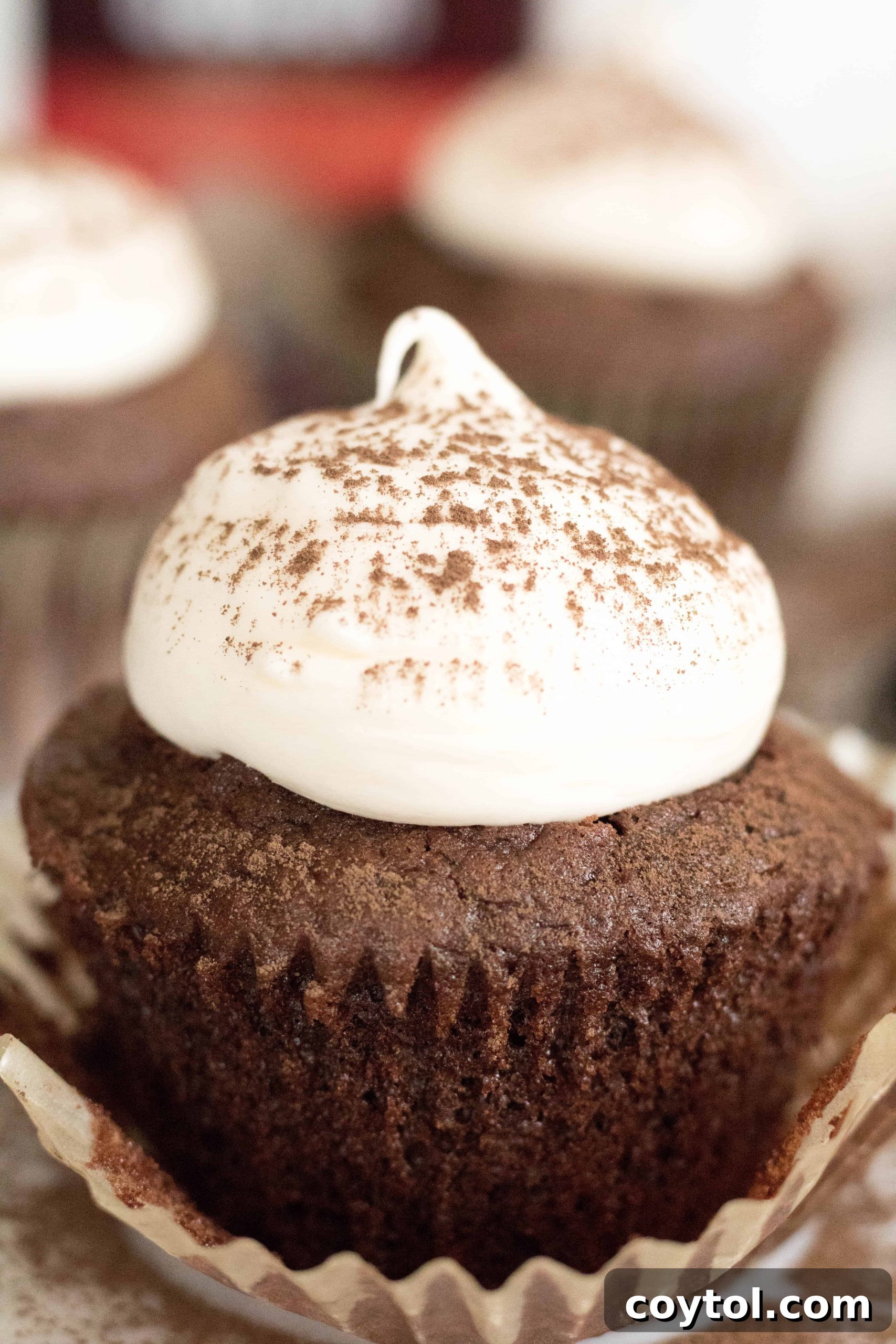
Egg Substitutes for Baking Cakes and Cupcakes
For light and fluffy cakes and moist cupcakes, you need substitutes that offer good binding and contribute to a tender crumb.
- 1/2 a medium banana, well mashed: Adds moisture and a delicate sweetness, resulting in a dense, moist cake.
- 1/4 cup (4 tablespoons) unsweetened applesauce: Provides excellent moisture and a soft texture without a strong flavor.
- 1/4 cup (4 tablespoons) silken tofu (pureed): A neutral-tasting option that adds moisture and a rich, creamy texture, ideal for denser cakes.
- 1/4 cup (4 tablespoons) plain yogurt (dairy or plant-based): Contributes moisture, a tender crumb, and can aid in leavening for a softer texture.

Egg Substitutes for Baking Cookies
For cookies that hold their shape and have a good chew or crisp, binders are key.
- 1 tablespoon ground flax seed rehydrated with 3 tablespoons water (Flax Egg): An excellent binder that helps cookies hold together without altering flavor significantly.
- 1 tablespoon chia seeds rehydrated with 3 tablespoons water (Chia Egg): Similar to flax, it provides strong binding and a slight textural element.
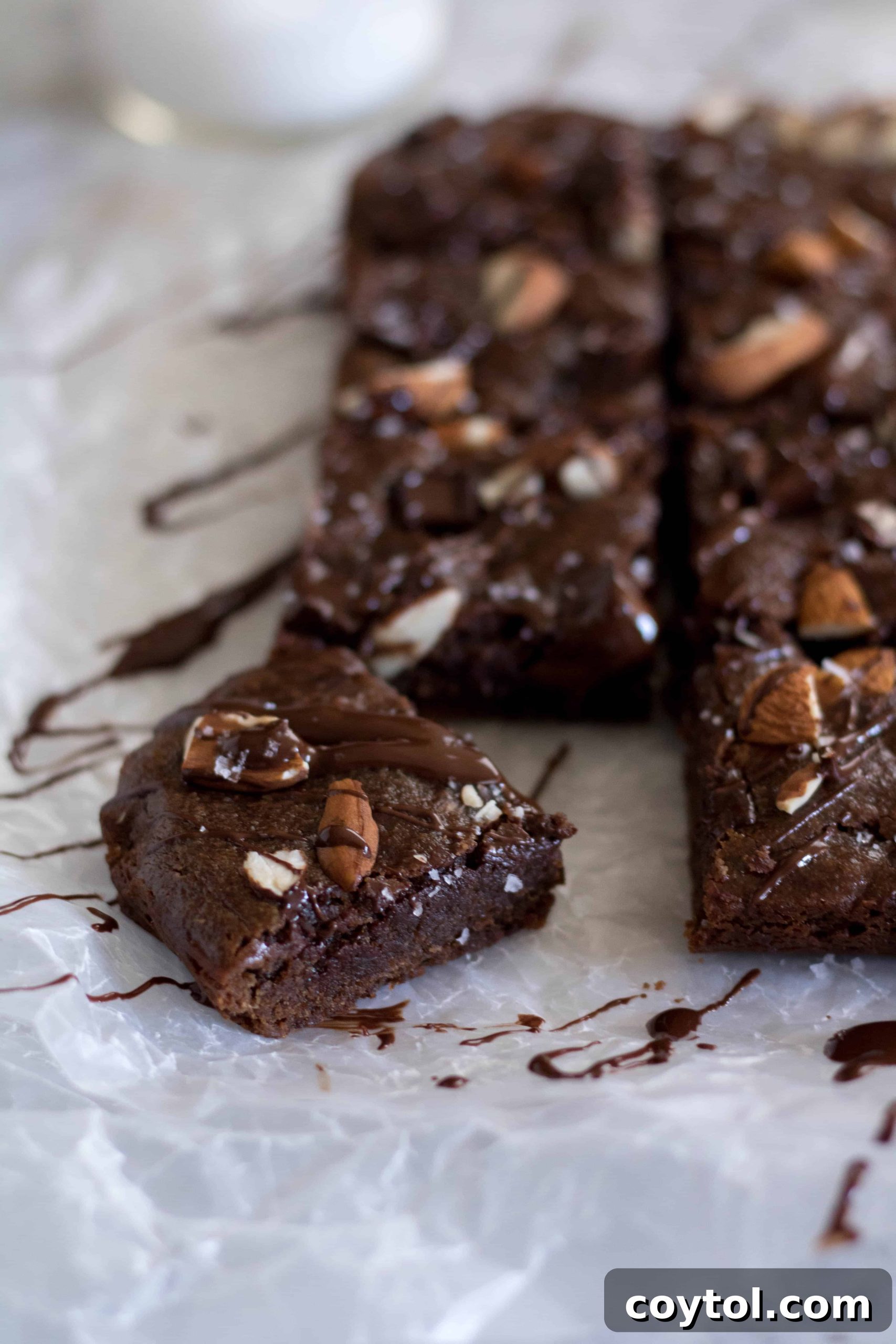
Egg Substitutes for Baking Brownies
Brownies benefit from substitutes that contribute to a rich, fudgy texture and good binding.
- 1 tablespoon ground flax seed rehydrated with 3 tablespoons of water: Provides excellent binding for a dense, chewy brownie.
- 1/2 a medium banana, mashed: Adds moisture and a slightly fudgy texture, complementing chocolate flavors well.
- 1/4 cup (4 tablespoons) unsweetened applesauce: Contributes moisture and helps create a soft, tender brownie.
- 1/4 cup (4 tablespoons) silken tofu (pureed): Creates a rich, dense, and super moist brownie without affecting the flavor.
- 1/4 cup (4 tablespoons) plain yogurt (vegan or regular): Ideal for fudgy brownies, adding moisture and a slight tang.