Experience the true essence of New Orleans with this exceptional praline recipe, offering a taste of authentic Southern tradition. Passed down from a professional chef with deep Creole heritage, this pecan praline recipe delivers an unparalleled blend of flavor and texture that truly captures the spirit of the Bayou. Prepare to be delighted as you discover why New Orleans pralines are legendary – a sweet treat that will quickly become a favorite in your home.
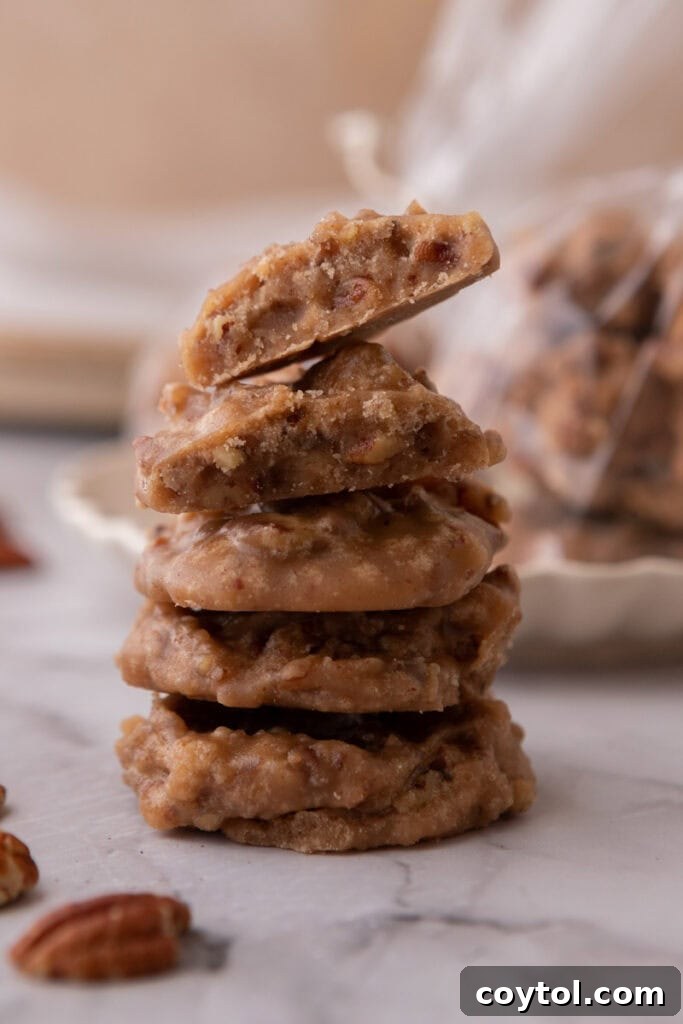
Authentic New Orleans Pecan Pralines: A Taste of Southern Charm
New Orleans Pecan Pralines are more than just a sweet treat; they are a culinary cornerstone, celebrated for their unique melt-in-your-mouth texture and rich, nutty flavor. Originating over 300 years ago in the heart of Louisiana, these candies have a storied history rooted in French and Creole traditions. While some may envision hard, crunchy sugar-coated nuts when they hear “praline,” the authentic Southern praline experience is profoundly different and utterly unforgettable.
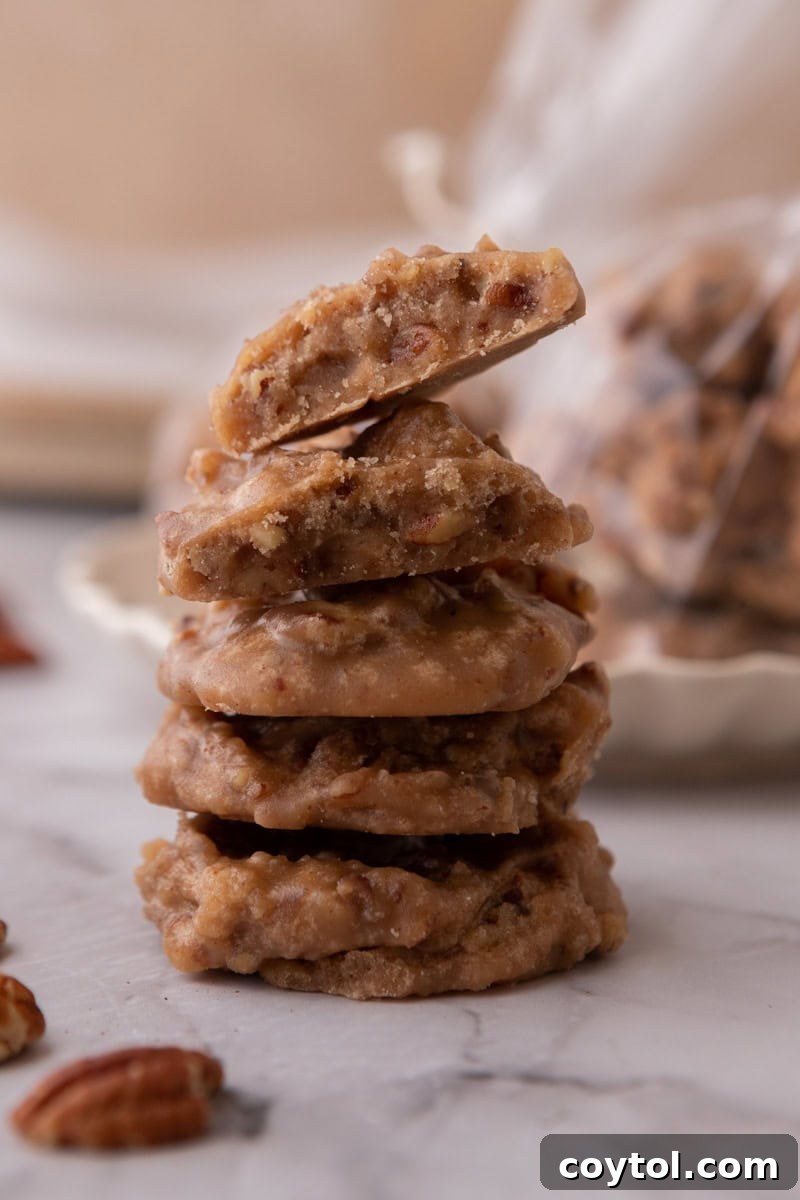
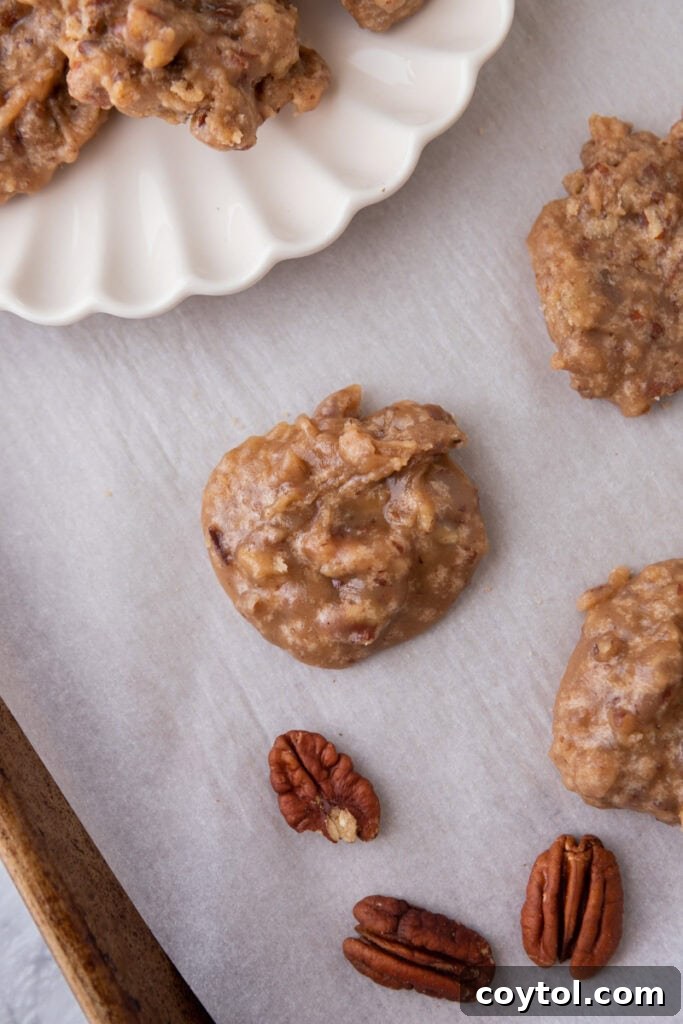
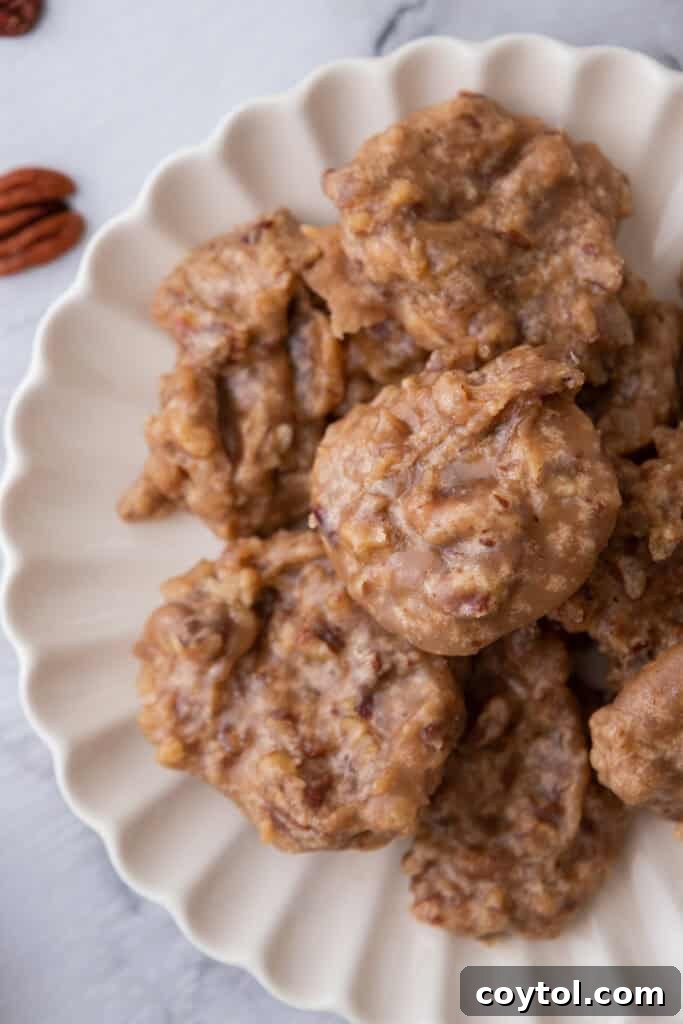
Unlike the harder, more crystalline European versions, the genuine New Orleans praline is characterized by its soft, creamy, and slightly gooey consistency. It’s traditionally spooned directly from a simmering pot onto a sheet pan, where it cools into a delightful, irregular patty shape, much like a rustic cookie. This distinct texture, combined with the buttery richness of pecans, creates a confection that has captivated palates for centuries. From being a beloved standalone candy to a popular topping for ice creams, cheesecakes, and sweet breads, pralines have firmly cemented their place in Southern dessert culture. They are so cherished that many locals and visitors alike prefer to receive these delectable pecan pralines as a special holiday gift over more conventional presents, highlighting their status as a true culinary treasure.
If you’re a fan of pecan-infused delights, you’ll also adore these other recipes: Crumbl Pecan Pie Sugar Cookies, decadent Pecan Pie Bars, and luxurious Pecan Pie Cheesecake Bars.
Unveiling the History of New Orleans Pralines
The story of the praline begins in 17th-century France, where a chef to Marshal du Plessis-Praslin created an almond confection. These early pralines were sugar-coated almonds, typically harder and crunchier than their American descendants. French settlers brought this confectionery art to Louisiana, where it underwent a remarkable transformation. Faced with an abundance of local pecans and a climate that favored different cooking methods, the recipe evolved.
The enslaved African women in New Orleans, many of whom became skilled cooks in Creole households, adapted the original French recipe. They replaced almonds with the readily available, native pecan and introduced local ingredients like cream or milk, transforming the hard, brittle candy into the softer, creamier confection we know today. These women often sold their freshly made pralines on the streets of New Orleans, establishing them as a beloved and accessible local delicacy. This adaptation speaks volumes about the fusion of cultures that defines Creole cuisine, making the New Orleans praline a symbolic representation of the city’s rich heritage.
Today, enjoying an authentic New Orleans praline is more than just tasting candy; it’s experiencing a piece of history, a tradition passed down through generations, embodying the sweet, soulful spirit of the South.
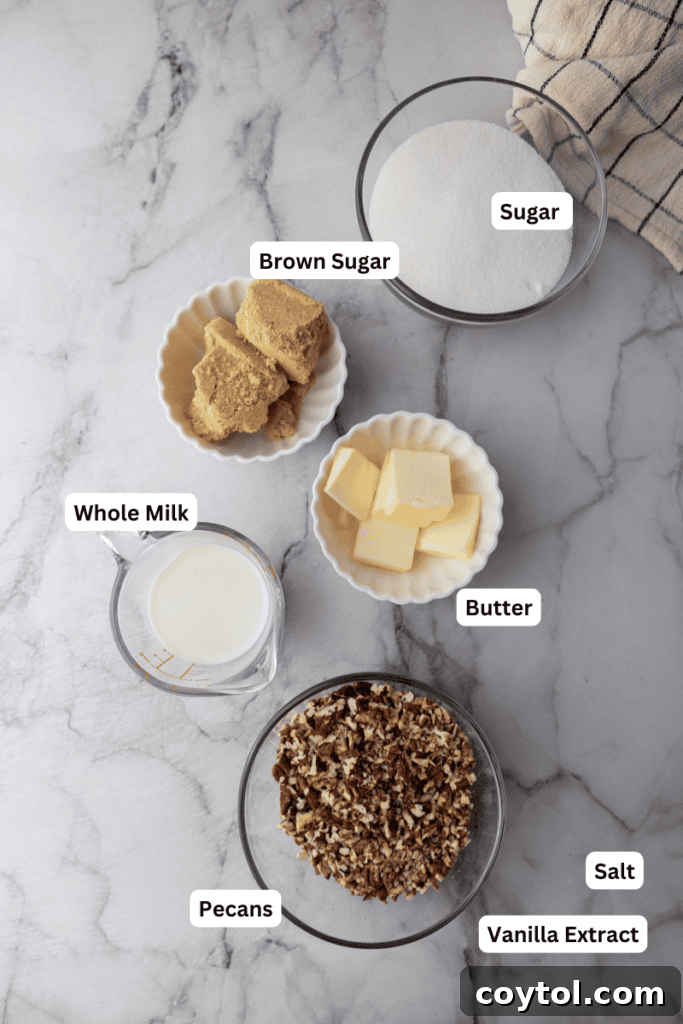
Essential Ingredients for Authentic Southern Pecan Pralines
Crafting the perfect batch of Southern pralines begins with selecting the right ingredients. Each component plays a vital role in achieving that signature creamy texture and rich, sweet flavor. Below is a detailed list of what you’ll need. For precise measurements, please refer to the complete recipe card at the bottom of this page.
- Granulated White Sugar: This forms the primary sweet base of the candy, creating the essential syrup that coats the pecans. Its fine texture dissolves smoothly, ensuring a consistent sugar solution.
- Light Brown Sugar: Beyond sweetness, light brown sugar introduces a subtle caramel note and a touch of molasses, adding depth and a richer, more complex flavor profile that distinguishes authentic pralines. It also contributes to the softer, chewier texture.
- Whole Milk: The milk combines with the sugars to create a luscious, syrupy base. Full-fat whole milk is crucial for achieving the desired creamy consistency, preventing the candy from becoming too hard or brittle.
- Unsalted Butter: Butter is indispensable for its rich flavor and its ability to contribute to the praline’s smooth, velvety texture. It helps prevent crystallization and adds a wonderful mouthfeel to the finished candy.
- Pecans: These are, without a doubt, the star of this Southern delicacy. Their naturally soft, buttery texture and rich flavor make them the ideal nut for pralines. While optional, roasting them beforehand can deepen their flavor, adding an extra layer of nutty complexity to your pralines.
- Vanilla Extract: A touch of pure vanilla extract enhances all the other flavors, adding a warm, aromatic depth that completes the praline’s taste profile. Opt for a good quality vanilla for the best results.
- Salt: A tiny pinch of salt might seem counterintuitive in a sweet recipe, but it’s a critical balancing act. Salt perfectly contrasts the intense sweetness, highlighting the nutty pecan flavors and preventing the pralines from being cloyingly sweet.
Crucial Equipment for Praline Perfection
- Candy Thermometer: This piece of equipment is absolutely essential for praline success. Achieving the correct temperature during both the cooking and cooling stages is non-negotiable for the perfect soft-ball consistency. Without it, you risk either brittle, hard pralines or a liquidy, unset mess. Precision is key in candy making, and a reliable candy thermometer will be your best friend.
- Heavy-Bottomed Saucepan: A sturdy, heavy-bottomed pan ensures even heat distribution, which is vital for preventing the sugar mixture from scorching on the bottom while the rest cooks.
- Wooden Spoon or Heatproof Spatula: For constant stirring, especially during the cooling phase, a durable wooden spoon or a heat-resistant silicone spatula is ideal.
- Baking Sheets: Lined with parchment or wax paper, these are where your pralines will cool and set.
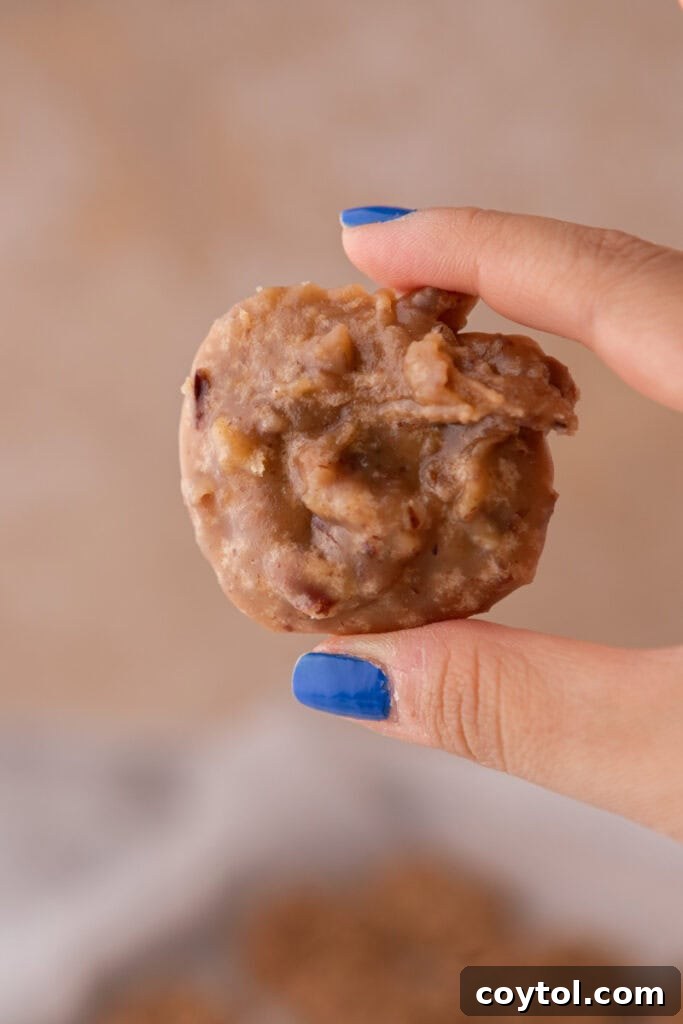
Crafting the Perfect New Orleans Pralines: Step-by-Step Guide
Making authentic New Orleans pralines is a delightful process that requires a little patience and attention to detail. Follow these steps carefully to achieve that coveted creamy, melt-in-your-mouth texture. For the full recipe with precise measurements, please scroll down to the recipe card at the end of this post.
- Prepare Your Surface: Begin by preparing a baking sheet pan. Line it generously with greased parchment paper or wax paper. If you’re using wax paper, it’s a good practice to place a buffer material, such as a layer of newspaper, underneath to protect your pan from the heat of the hot candy. This step ensures easy removal of your finished pralines once cooled.
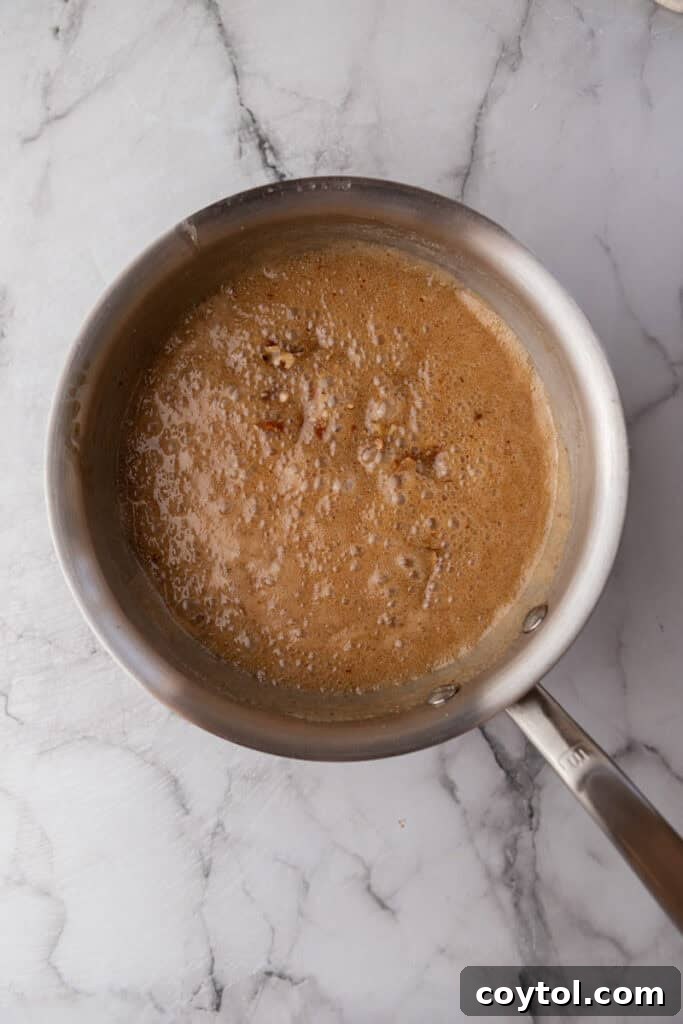
- Combine and Boil Ingredients: In a medium-sized, heavy-bottomed saucepan, combine all of your measured ingredients (excluding the vanilla and salt until later). Place the pan over medium heat and stir constantly until the sugars are completely dissolved. Once dissolved, stop stirring and bring the mixture to a rolling boil. Insert your candy thermometer and continue to cook without stirring until the mixture reaches the “softball stage,” which is typically between 235-240 degrees F (113-116 degrees C). It’s crucial not to exceed this temperature, as going higher will result in a praline that is too firm or brittle.
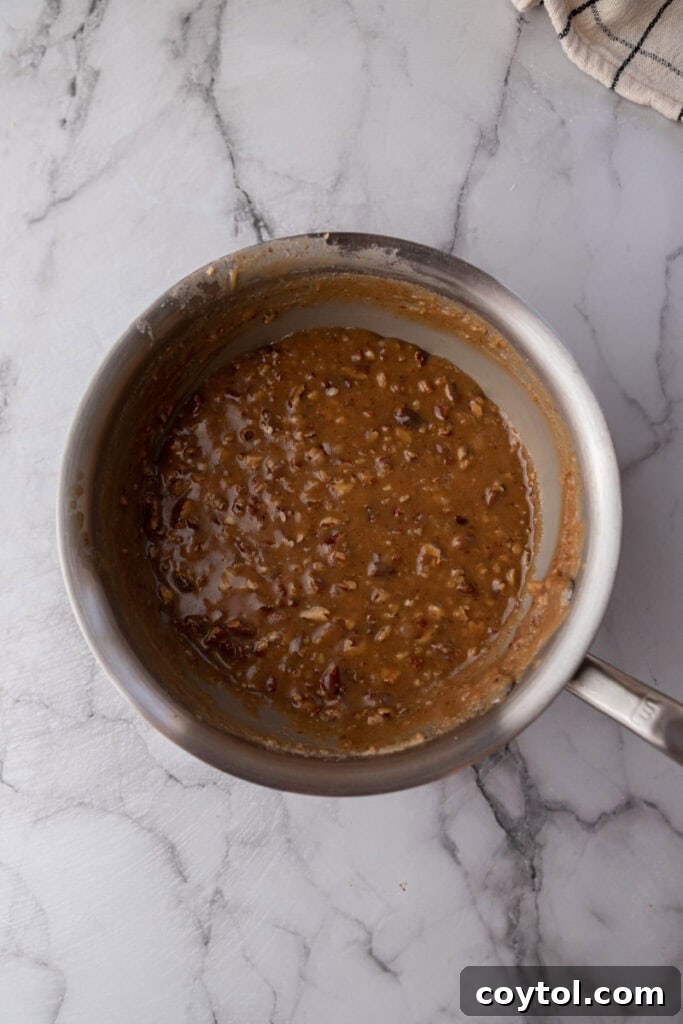
- Cool and Stir to Creaminess: Immediately remove the saucepan from the heat once it reaches the correct temperature. Add the vanilla extract and salt. Now, the most critical step begins: stir the mixture constantly. This continuous stirring is vital to prevent the hot sugar from crystallizing, which can lead to a grainy texture. Keep stirring vigorously until the mixture transforms from a glossy liquid into a creamy, opaque, and slightly cloudy consistency. You’ll know it’s ready when you can draw your wooden spoon down the middle of the pot, and it takes a noticeable second or two for the mixture to flow back together. At this point, the pecans should remain suspended evenly within the thick, saucy liquid, not sinking to the bottom. Be careful not to overcool it in the pot, or it will become too grainy and difficult to scoop. The goal is a soft, extra creamy texture before scooping.
- Scoop and Set: Working quickly (as the mixture will begin to set), use a spoon or small scoop to drop individual globs of the praline mixture onto your prepared baking sheet. Leave an inch or two of space between each praline. Allow them to cool completely at room temperature, which can take anywhere from 30 minutes to an hour or more, depending on your kitchen’s temperature and humidity. Resist the urge to taste them while they are hot, as molten sugar can cause severe burns to your mouth. Once fully cooled, the pralines will firm up into their characteristic soft, chewy patties.
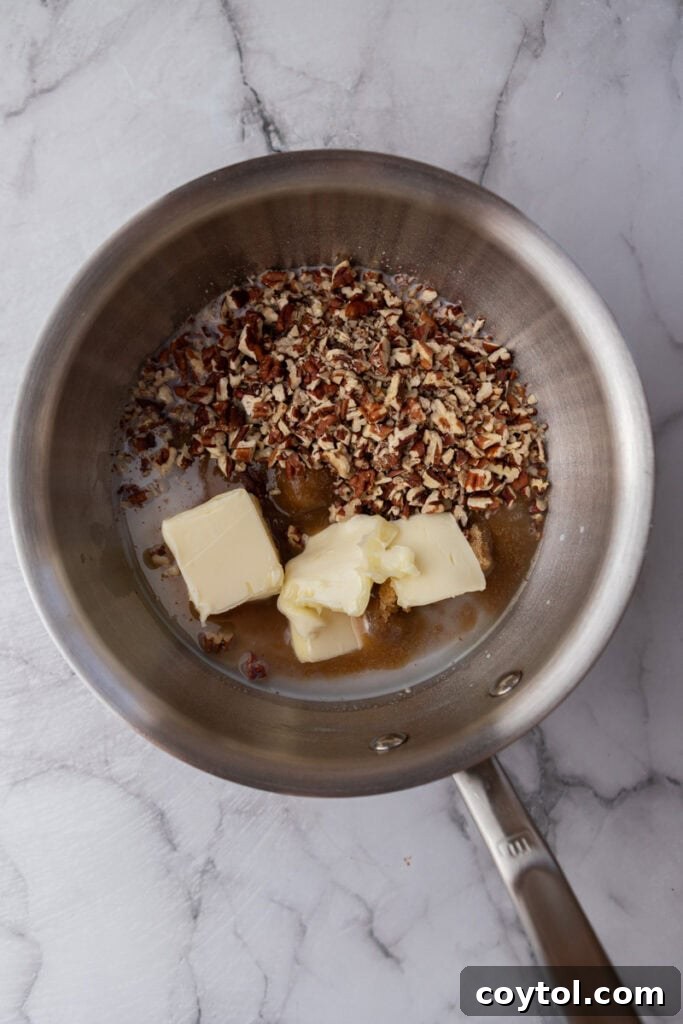
Why This Southern Pecan Praline Recipe is a Must-Try
If you’ve ever dreamt of capturing the soulful taste of New Orleans in your own kitchen, this authentic Southern pecan praline recipe is your golden ticket. Here are compelling reasons why this recipe deserves a special place in your repertoire:
- Unmatched Authenticity and Flavor: This isn’t just any praline recipe; it comes directly from a professional Creole chef in New Orleans. You’ll be making a treat that embodies the true culinary heritage of the city, delivering a flavor and texture that mass-produced versions simply cannot replicate.
- Perfect for Holiday Gifting and Sharing: Homemade pralines elevate any cookie platter or dessert spread during the holiday season. They make a thoughtful, delicious, and unique gift for friends, family, or colleagues during cookie exchanges or as standalone presents. Their homemade charm is truly special.
- Simple Ingredients, Incredible Results: Despite their sophisticated taste, these sweet treats require only a handful of common pantry staples. You can easily find all the necessary ingredients at your local grocery store, making this an accessible recipe for any home baker.
- A Culinary Journey to New Orleans: With every bite, you and your family will be transported straight to the vibrant streets and rich culinary scene of New Orleans. It’s an immersive experience that brings the warmth and hospitality of the South into your home.
- Customizable to Your Liking: While pecans are traditional, this recipe is wonderfully adaptable. Feel free to experiment with other types of nuts you prefer, such as walnuts or almonds, to create your own unique twist on this classic Southern confection. The core technique remains the same, allowing for creative variations.
- Rewarding and Fun to Make: The process of making pralines, especially when you see the mixture transform into that perfect creamy consistency, is incredibly satisfying. It’s a fun project that yields delicious results, perfect for a cozy afternoon in the kitchen.
Frequently Asked Questions (FAQ) About Pralines
What is the “Soft Ball Stage” in Candy Making?
The “soft-ball stage” is a critical indicator in candy making, referring to a specific temperature range that affects the final texture of your confection. It has nothing to do with baseball! It literally means that when you drop a small amount of the hot sugar syrup into very cold water, it forms a soft, pliable ball that can be flattened easily between your fingers. This stage occurs between 235 to 240 degrees F (113 to 116 degrees C). If the syrup reaches 245 to 250 degrees F (118 to 121 degrees C), it will form a “firm-ball” that holds its shape but is still pliable. Going higher, to the “hard-ball” or “crack” stages, would result in pralines that are too hard and brittle, lacking that signature New Orleans creaminess. A reliable candy thermometer is truly indispensable for accurately hitting this stage.
What Other Flavors Can I Add to This New Orleans Pralines Recipe?
This classic New Orleans praline recipe provides a fantastic base for creative flavor variations. Here are some delightful additions you can explore:
- Roasted Pecan Pralines: For an intensified nutty flavor, roast your pecans before adding them to the praline mixture. Spread them on a baking sheet and bake at 275 degrees F (135 degrees C) for 20-25 minutes, until they are lightly browned and wonderfully fragrant. This simple step adds incredible depth.
- Chocolate Pralines: Indulge your sweet tooth by transforming these into chocolate pralines. Once your pralines have completely cooled and set on the baking sheet, drizzle or spread a layer of melted chocolate (dark, milk, or white) over them. Allow the chocolate to solidify before serving.
- Cinnamon-Spiced Pralines: Perfect for the holiday season or any time you crave a warm, aromatic treat, introduce festive spices into the mixture. Add a teaspoon of ground cinnamon and a pinch of nutmeg along with the other ingredients for a cozy, spiced twist.
- Bourbon Pralines: For an adult twist, substitute a tablespoon of the milk with a high-quality bourbon or rum during the cooling phase (after removing from heat). The alcohol will evaporate, leaving behind a subtle, sophisticated warmth.
- Sea Salt Pralines: A sprinkle of flaky sea salt over the wet pralines just after scooping them onto the parchment paper can elevate the flavor profile, creating a delightful sweet-and-salty contrast that is incredibly addictive.
Creative Ways to Enjoy Your Homemade Pralines
While eating them as is, warm and gooey, or perfectly set, is undoubtedly a joy, there are numerous other delicious applications for your homemade New Orleans pralines:
- Praline Cookies: Take your cookie game to the next level by chopping up cooled pecan pralines and mixing them into your favorite cookie dough (chocolate chip, sugar, or oatmeal work wonderfully). The pralines will melt slightly and create pockets of chewy, caramelly goodness.
- Ice Cream Topping: Crush cooled pralines into coarse crumbs or small pieces and use them as an irresistible topping for vanilla ice cream, chocolate ice cream, or even a praline-flavored ice cream for an extra boost. They add both texture and flavor.
- Dessert Inclusions: Mix chopped pralines into batters for cakes, muffins, or quick breads. They’re especially good in cinnamon-spiced or banana-based desserts, adding moisture, sweetness, and a delightful pecan crunch.
- Pancake or Waffle Garnish: Sprinkle crushed pralines over a stack of warm pancakes or waffles, perhaps with a dollop of whipped cream or a drizzle of maple syrup, for a luxurious breakfast or brunch treat.
- Milkshakes or Smoothies: Blend a few pralines into your favorite milkshake or smoothie for an instant flavor upgrade and a hint of thickness and sweetness.
How to Store New Orleans Pralines for Optimal Freshness
These authentic pralines store remarkably well, making them an excellent make-ahead treat or gift. To maintain their delicious texture and flavor:
Store your cooled pralines in an airtight container at room temperature for up to one week. Ensure they are completely cool before storing to prevent condensation, which can make them sticky. You can also place wax paper or parchment paper between layers to prevent sticking.
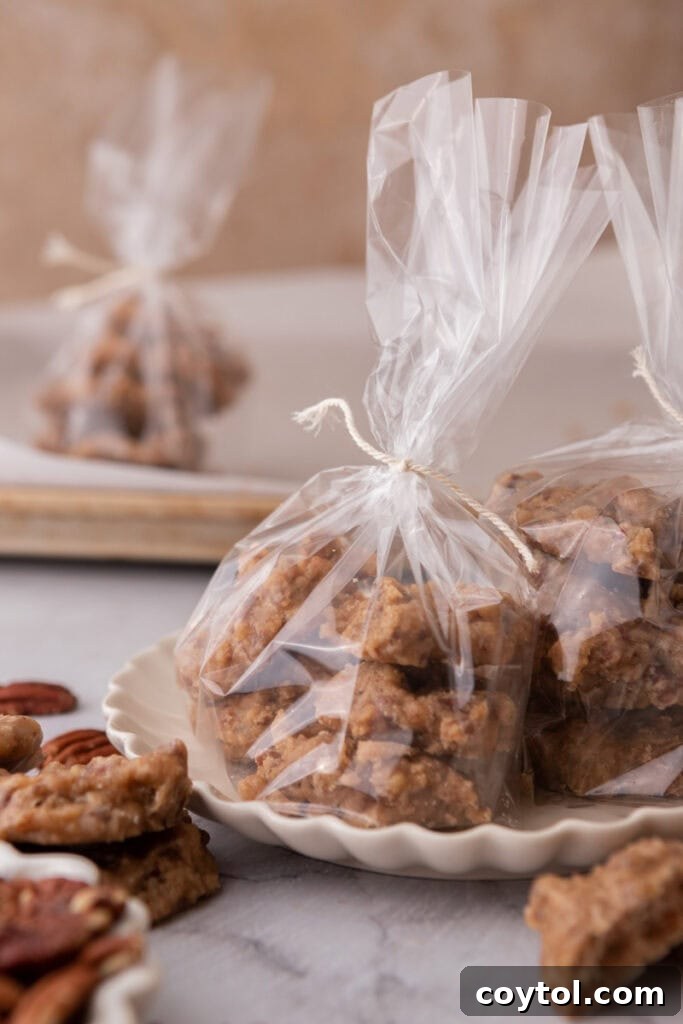
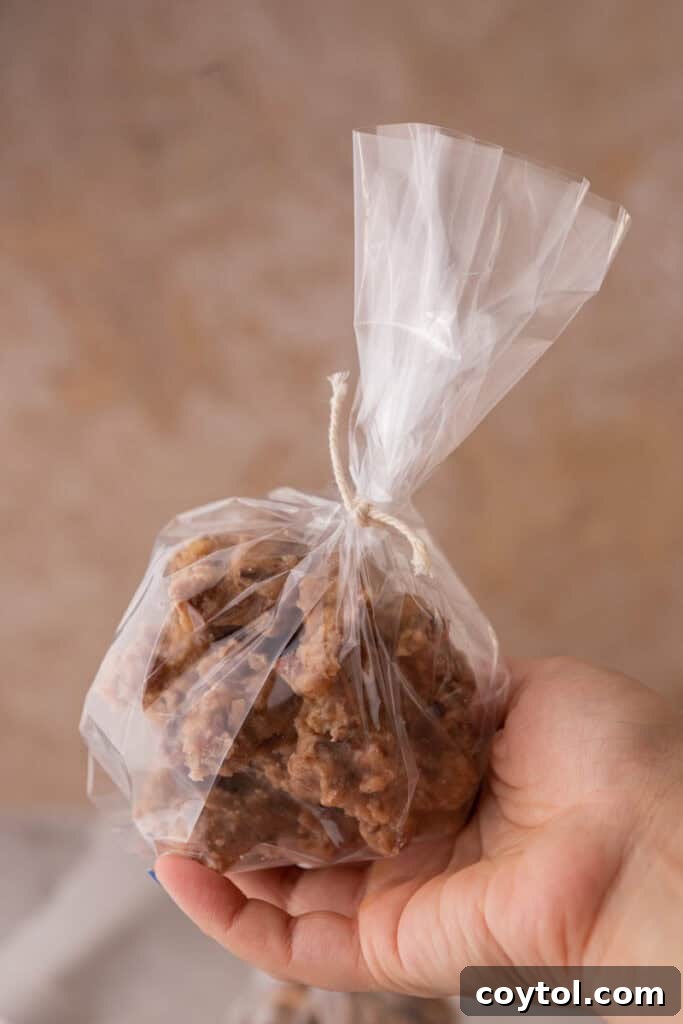
For a more elegant presentation when gifting, wrap individual pralines in small sheets of plastic wrap or cellophane, twisting the ends, and then tie them with a festive string or bow. This not only makes them look beautiful but also keeps them fresh for longer.
While not strictly necessary for short-term storage, pralines can also be frozen for up to 2-3 months. Wrap them individually in plastic wrap, then place them in an airtight freezer-safe bag or container. Thaw at room temperature before serving.
The Best New Orleans Pecan Pralines Recipe
New Orleans Pecan Pralines Recipe
This authentic New Orleans Pralines recipe, shared directly from a professional chef with Creole heritage, offers an incredibly delicious and truly traditional Southern sweet. Prepare to fall in love!
Print Recipe
Equipment
- Candy Thermometer (or regular food thermometer)
- Heavy-Bottomed Saucepan
- Wooden Spoon or Heatproof Spatula
- Baking Sheets
Ingredients
- 1 & 1/2 cup Granulated Sugar
- 3/4 cup Light Brown Sugar packed
- 1/2 cup Whole Milk
- 6 tbsp Butter
- 1 &1/2 cup Pecans (Roasted, optional – skip if you want to save time)
- 1 teaspoon Vanilla Extract
- 1/4 teaspoon Salt
Instructions
- Pull out a baking sheet pan and line it with greased parchment paper or wax paper. If you’re using wax paper, it’s advised to put a buffer underneath it such as newspaper so that the hot wax doesn’t ruin your pan.
- Combine all ingredients (Granulated Sugar, Light Brown Sugar, Whole Milk, Butter, Pecans) in a medium saucepan and bring to a boil, achieving a “softball stage” (235-240 degrees F). Do not go over this temperature, or the mixture will be too firm.
- Remove from heat. Add the Vanilla Extract and Salt. Stir constantly so the hot sugar doesn’t crystallize, and keep stirring until the mixture becomes creamy and cloudy, about 3-5 minutes. You’ll know it’s ready when you can scrape your wooden spoon down the middle, and it takes a full second for the mixture to come back together. The pecans should stay suspended in the thick, saucy liquid. Don’t overcool it though, as it will become grainy! Make sure the mixture is still soft and extra creamy.
- Scoop and place individual globs onto the prepared sheet pan spaced an inch or two apart, and let cool completely to room temperature. Be careful not to eat it while it’s hot, as hot sugar can quickly burn your mouth.
Notes
This recipe is courtesy of the New Orleans Cooking School! Make sure to check it out if you are in Nola; it was probably my favorite activity while there! I can’t recommend it enough 🙂
Nutrition
Calories: 139 kcal | Carbohydrates: 20g | Protein: 1g | Fat: 7g | Saturated Fat: 2g | Polyunsaturated Fat: 1g | Monounsaturated Fat: 3g | Trans Fat: 0.1g | Cholesterol: 7mg | Sodium: 49mg | Potassium: 43mg | Fiber: 1g | Sugar: 19g | Vitamin A: 97IU | Vitamin C: 0.1mg | Calcium: 17mg | Iron: 0.2mg
Nutrition information is automatically calculated and should only be used as an approximation.

If You Enjoyed This Southern Pecan Pralines Recipe, Make Sure to Pin It for Later!
Don’t let this delightful recipe get lost! Save it to your Pinterest board so you can easily find it whenever a craving for authentic New Orleans pralines strikes. Sharing is caring, and your pins help others discover the joy of these classic Southern treats.