
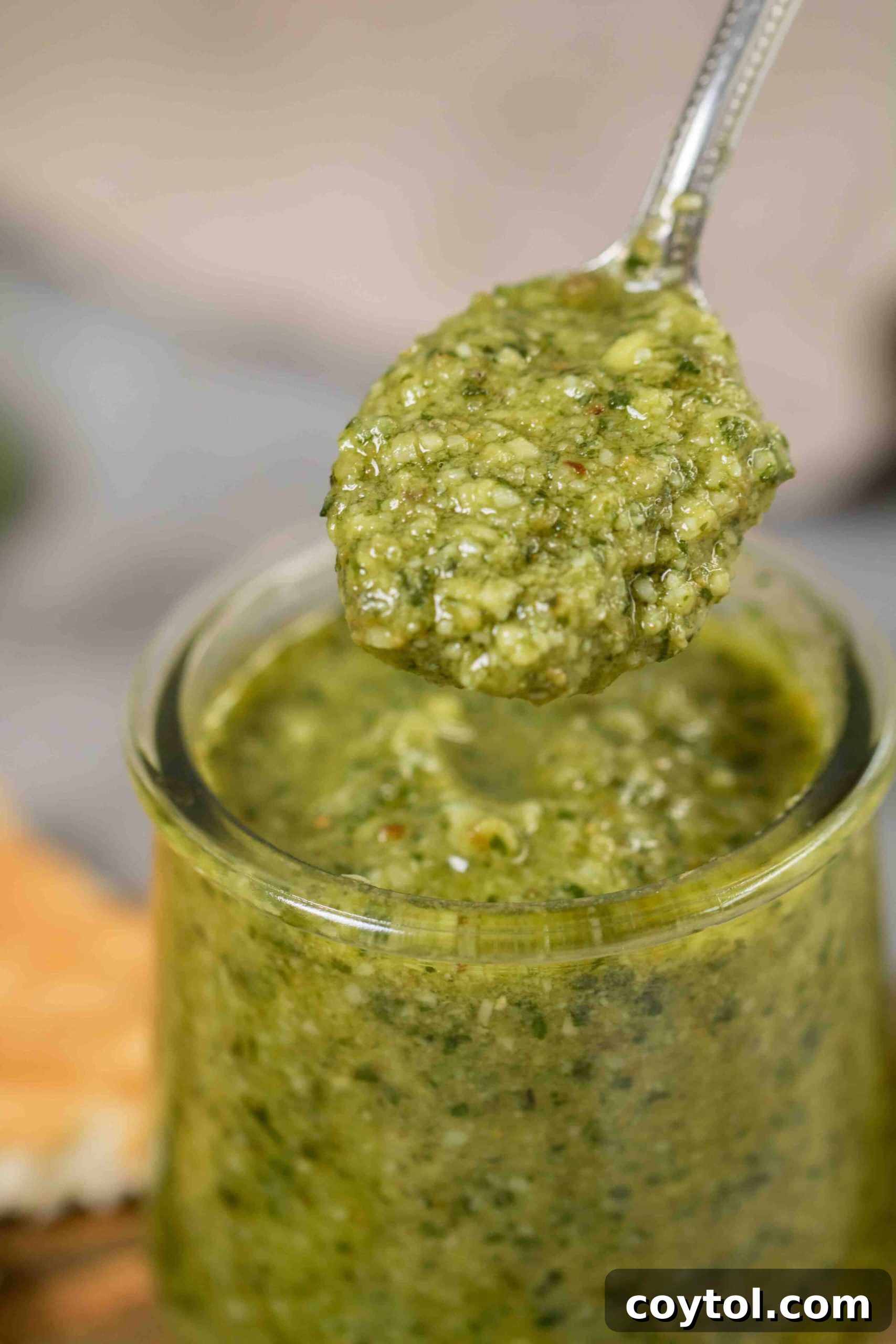
Welcome to the glorious world of homemade pesto! Forget store-bought versions – once you experience the vibrant freshness and unparalleled flavor of pesto made from scratch, there’s no turning back. This incredible Italian sauce, crafted from just a few simple ingredients like fresh basil, aromatic garlic, rich Parmesan cheese, toasted pine nuts, and luxurious olive oil, comes together to form a beautifully emulsified, intensely flavorful condiment that elevates nearly any dish. Whether you’re a seasoned chef or a kitchen novice, mastering homemade pesto is an achievable and incredibly rewarding culinary journey. Get ready to transform your meals with this authentic, easy-to-follow recipe!
Unlock Flavor Secrets: Subscribe for Exclusive Recipes & Tips!
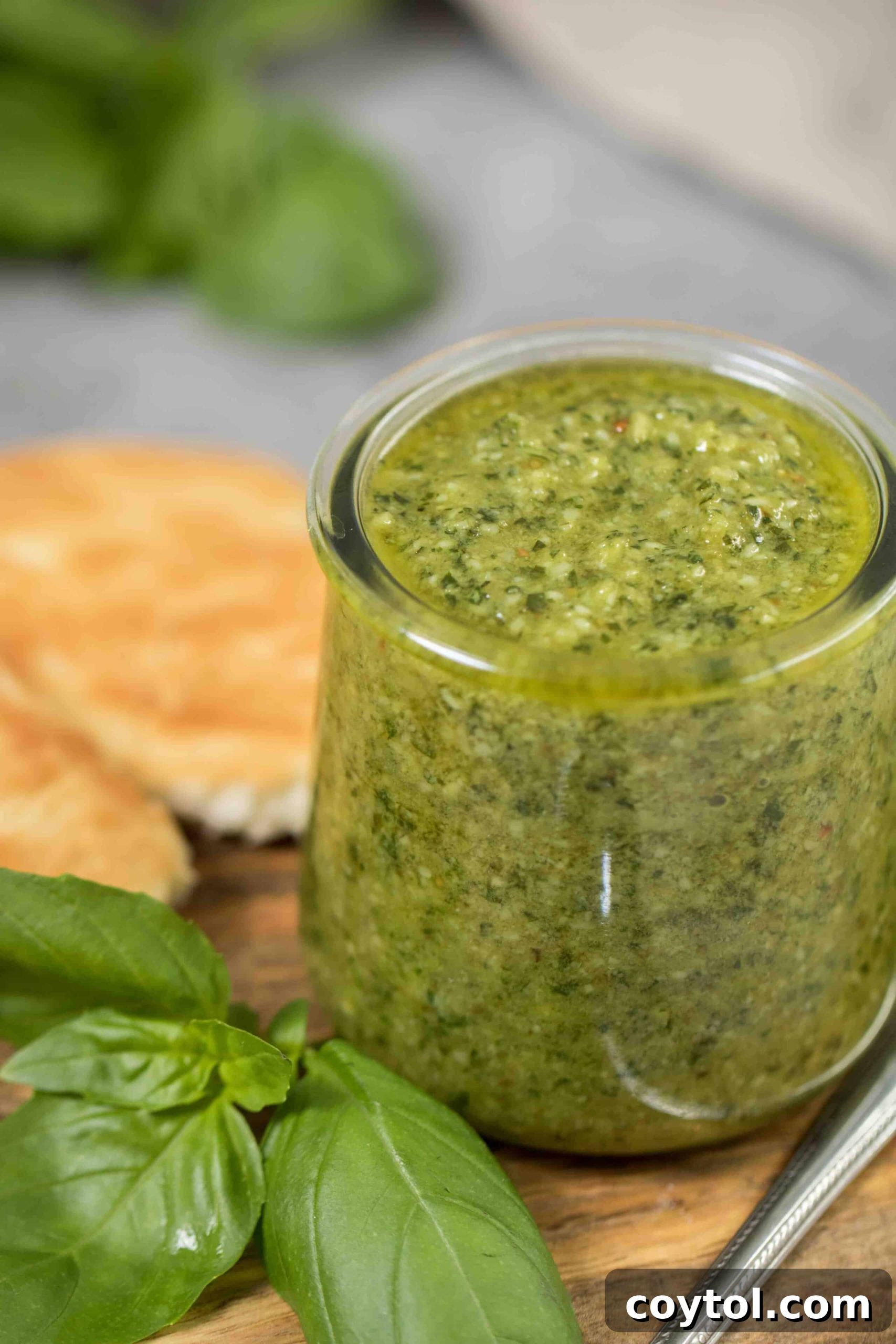
Basil truly is a culinary marvel, a gift from nature that brings incredible depth and freshness to both sweet and savory dishes. Its peppery, slightly minty notes are utterly irresistible, making it one of the most beloved herbs worldwide. While basil shines in countless recipes, its role in traditional pesto is arguably its most iconic and celebrated. Today, we’re diving deep into crafting the ultimate homemade pesto, ensuring every step is clear and straightforward so you can replicate this amazingness in your own kitchen.
You might be thinking, “Isn’t pesto a seasonal thing?” Traditionally, yes, fresh basil is most abundant in spring and summer. However, with a simple storage hack, you can enjoy the luscious taste of homemade pesto all year long! Imagine having a taste of summer sunshine to brighten up those colder winter months. This recipe isn’t just about making pesto; it’s about preserving flavor and embracing the joy of cooking with fresh, wholesome ingredients whenever the craving strikes.
Discover the Easiest and Most Flavorful Homemade Pesto Recipe
Our goal is to provide you with a pesto recipe that is not only incredibly simple to prepare but also bursting with authentic, rich flavor. This isn’t just a basic recipe; it’s a foundational guide to creating a truly versatile sauce that will become a staple in your kitchen. Pesto offers an unparalleled depth of taste, capable of transforming everyday meals into extraordinary culinary experiences. Its bright, herbaceous notes, combined with nutty and savory undertones, make it a universal crowd-pleaser.
Whether you consider pesto a sauce, a sophisticated condiment, or a fresh garnish, its appeal is undeniable. Its adaptability allows it to play many roles, from the heart of a robust pasta dish to a subtle flavor enhancer for salads and proteins. Many find themselves enjoying it straight from the jar, much like a beloved spread, highlighting just how addictive this herb-infused delight can be. This recipe champions the ease of a food processor while honoring the traditional flavors that make pesto so iconic.
What Exactly is Pesto? Unpacking its Rich Italian Heritage
Pesto, a vibrant green sauce, hails from the Liguria region of Italy, specifically Genoa. The name “pesto” itself is derived from the past participle of the Genoese verb “pestare,” meaning “to crush” or “to pound.” This etymology speaks to the sauce’s traditional preparation method: using a mortar and pestle to grind the ingredients into a fine, aromatic paste, releasing their essential oils and flavors. While modern food processors offer a quicker alternative, the essence of crushing remains at the heart of pesto’s identity.
Authentic pesto is characterized by its exquisite balance of salty, savory, and herbaceous notes. The richness comes from the generous pour of extra virgin olive oil, the earthy depth from pine nuts, and a delightful tang from Parmesan cheese. Coupled with the pungent bite of fresh garlic and the sweet, aromatic essence of basil, pesto delivers a complex flavor profile that is both invigorating and deeply satisfying. It’s more than just a sauce; it’s a taste of Italian culinary tradition.
Essential Ingredients for Your Homemade Pesto Masterpiece
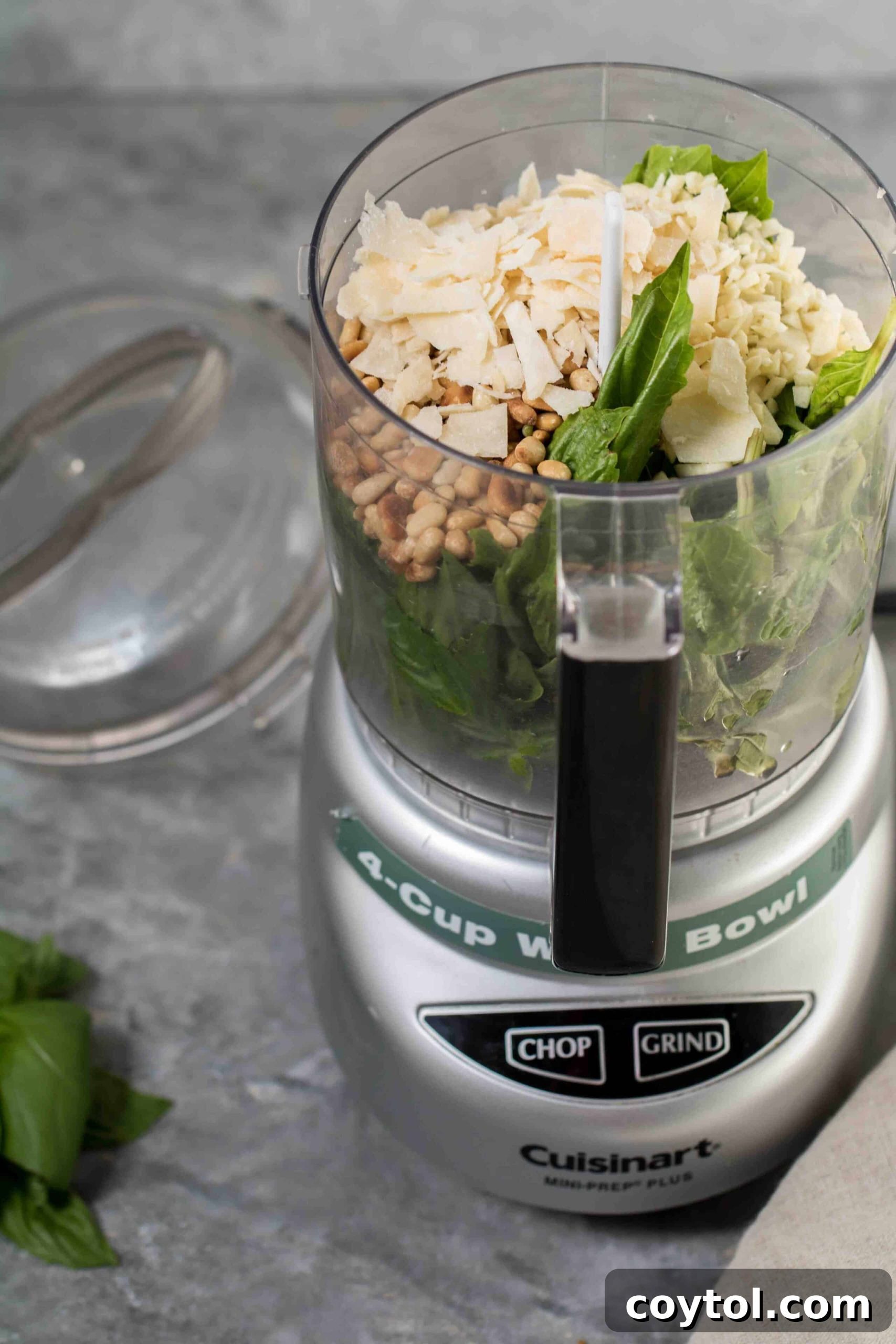
Crafting exceptional pesto begins with selecting the finest ingredients. Each component plays a crucial role in developing the sauce’s signature flavor and texture. Here’s a detailed look at what you’ll need to make your perfect batch of homemade pesto today:
- Fresh Basil Leaves: The cornerstone of any traditional pesto. Opt for vibrant, tender green leaves with no wilting or blemishes. Genovese basil, known for its sweet, slightly peppery aroma, is ideal, but any fresh sweet basil will yield fantastic results. Its aromatic oils are what give pesto its distinctive, irresistible fragrance.
- Pine Nuts: These delicate, buttery nuts are traditionally used in pesto, contributing a subtle sweetness and creamy texture when ground. While they can be a bit pricey, their unique flavor is truly worth the investment for an authentic taste. For enhanced flavor, lightly toast them in a dry pan over medium heat until fragrant before adding to your pesto.
- Parmesan Cheese: Freshly grated Parmigiano-Reggiano is non-negotiable for a truly sublime pesto. Its salty, umami-rich, and nutty flavor profile provides a vital depth that pre-grated or powdered varieties simply cannot replicate. Aim for high-quality, aged Parmesan for the best results.
- Garlic Cloves: Fresh garlic adds a pungent, spicy kick that balances the richness of the other ingredients. The amount can be adjusted to your preference – some prefer a milder garlic presence, while others enjoy a more robust flavor. Don’t skip it; it’s essential for that classic pesto aroma and taste!
- Extra Virgin Olive Oil: The choice of olive oil significantly impacts the final flavor. Use a good quality, flavorful extra virgin olive oil that you enjoy on its own. It not only binds the ingredients and creates that beautiful emulsion but also infuses the pesto with its fruity, peppery notes and rich texture.
- Salt: A touch of salt enhances all the other flavors, bringing everything into perfect harmony. Add it gradually and adjust to taste, keeping in mind the saltiness of the Parmesan cheese.
Expert Tips for Storing Fresh Basil to Maximize Shelf Life
Basil is a wonderfully fragrant but notoriously delicate herb. To ensure your basil stays fresh and vibrant for as long as possible, extending its shelf life beyond just a couple of days, proper storage is key. Here’s a simple, effective method:
Begin by gently wrapping your unwashed basil leaves in a slightly damp paper towel. The dampness provides the necessary moisture without causing the leaves to become waterlogged. Next, carefully place the wrapped basil into a loose plastic bag – avoid sealing it tightly, as too much condensation can lead to spoilage. Finally, place the plastic bag in the refrigerator. This method creates a humid environment that prevents the basil from drying out while allowing enough air circulation to deter mold. Following these steps can keep your basil leaves fresh and aromatic for a remarkable 3-7 days, ready for your next batch of pesto or any other culinary creation!
Creative Pesto Substitutions & Variations for Every Palate
While classic basil pesto is universally adored, there are many fantastic ways to customize it based on ingredient availability, dietary needs, or simply personal preference. Don’t let a missing ingredient deter you from enjoying the fresh flavors of homemade pesto! Here are some excellent substitutions:
- Parmesan Cheese Alternatives:
- You can easily substitute Parmigiano-Reggiano with Pecorino Romano, another hard, salty Italian cheese made from sheep’s milk, for a sharper, tangier flavor profile.
- For a dairy-free or vegan option, nutritional yeast is an excellent choice. Use about 3-4 tablespoons to impart a cheesy, umami flavor without the dairy.
- Pine Nut Substitutions:
- Pine nuts can be quite expensive. More budget-friendly and equally delicious alternatives include walnuts, pecans, or almonds. These nuts provide a similar creamy texture and nutty flavor. Remember to lightly toast any nut substitute before adding it to the food processor to enhance its flavor and aroma. Cashews also work wonderfully for a milder, creamier pesto.
- Making it Vegan:
- To transform this recipe into a completely vegan delight, simply replace the Parmesan cheese with 3-4 tablespoons of nutritional yeast. Ensure your olive oil is high-quality, and you’ll have a wonderfully flavorful plant-based pesto that everyone can enjoy.
- Herb Variations:
- While basil is traditional, you can experiment with other greens or a mix of herbs. Try a vibrant spinach pesto, a peppery arugula pesto, or a hearty kale pesto. You can also combine basil with parsley or cilantro for interesting flavor twists.
Step-by-Step Guide: How to Make Pesto from Scratch at Home
Making pesto from scratch is surprisingly simple, especially with the help of a food processor. Follow these steps for a perfectly smooth and flavorful sauce every time:
- **Prepare Your Ingredients:** Start by rinsing your fresh basil leaves thoroughly and patting them completely dry. Toast your pine nuts lightly in a dry skillet for a few minutes until fragrant – this truly enhances their flavor. Grate your Parmesan cheese fresh.
- **Initial Pulse:** In the bowl of your food processor, combine the fresh basil, grated Parmesan cheese, toasted pine nuts, peeled garlic cloves, and initial amount of salt. Pulse the ingredients several times until they are finely chopped and a coarse paste begins to form. Be careful not to over-process at this stage, as too much heat can oxidize the basil and dull its vibrant green color.
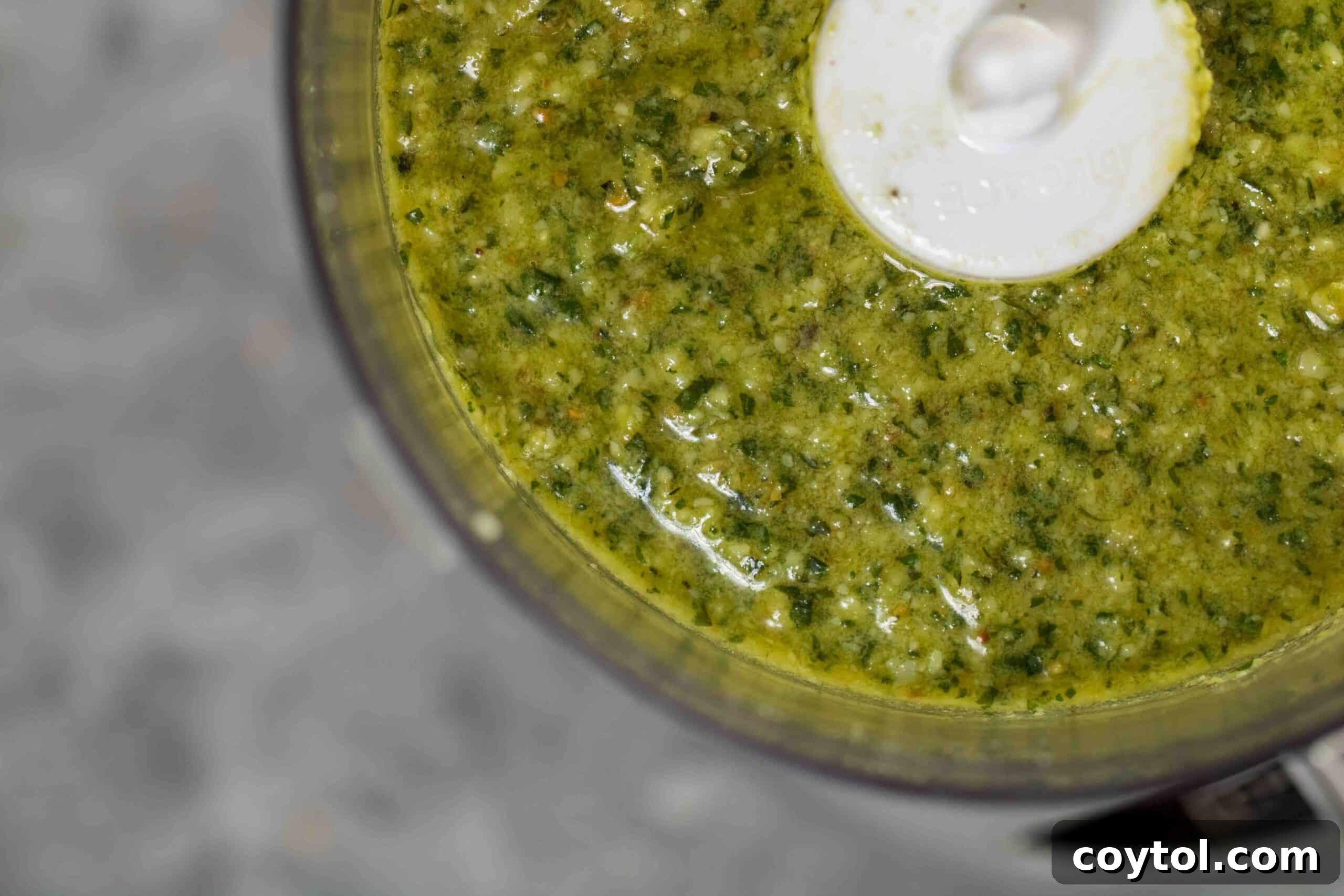
- **Slow Emulsification:** With the food processor running on a low speed, slowly and steadily drizzle in the extra virgin olive oil through the feed tube. This gradual addition is crucial for creating a smooth, beautifully emulsified pesto. Continue processing until the mixture is well combined, scraping down the sides of the food processor bowl with a spatula occasionally to ensure all ingredients are incorporated.
- **Taste and Adjust:** Once the pesto reaches your desired consistency – smooth but with a slight texture from the nuts and cheese – stop the processor. Taste the pesto and adjust the seasoning as needed. You may want to add a pinch more salt or a squeeze of fresh lemon juice if you desire a brighter flavor.
- **Serve or Store:** Your fresh homemade pesto is now ready to be enjoyed! Serve it immediately with your favorite dishes, or transfer it to an airtight container for storage.
Endless Culinary Delights: What to Use Pesto With?
The beauty of homemade pesto lies in its incredible versatility. Once you have a batch on hand, the culinary possibilities are truly endless. Here are some of my favorite ways to incorporate this vibrant sauce into everyday meals and special occasions:
- As a Pasta Sauce: This is arguably pesto’s most classic application. Toss it with freshly cooked pasta, a splash of pasta water, and perhaps some cherry tomatoes for a quick, flavorful meal. It pairs beautifully with fettuccine, linguine, orecchiette, or even simple spaghetti.
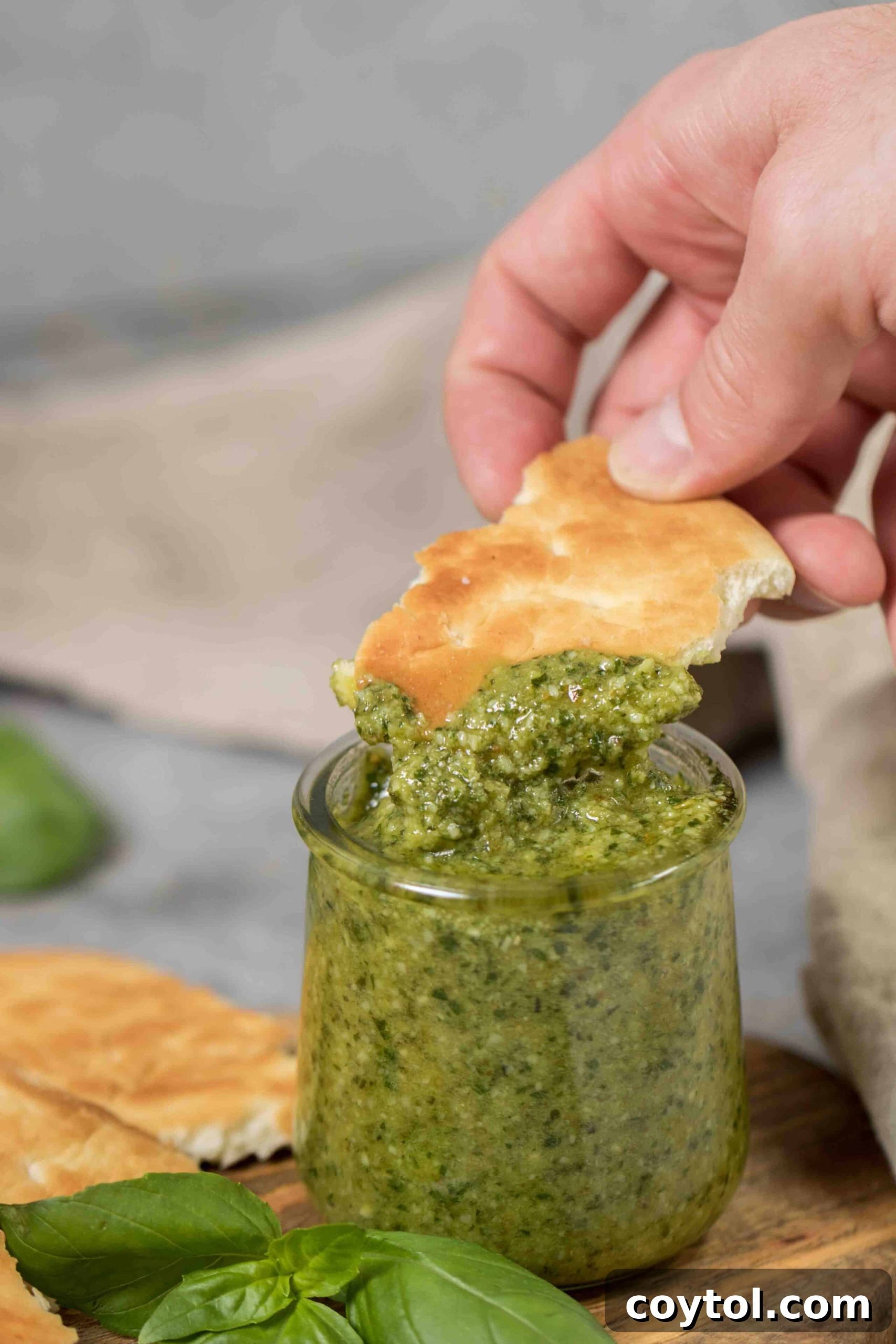
- As a Dip for Veggies or Toasted Bread: Serve it as a delightful dip for fresh crudités like carrot sticks, cucumber slices, or bell pepper strips. It’s also dangerously delicious with crusty toasted bread, focaccia, or warm pita.
- On Pizza: Ditch the traditional red sauce and use pesto as a vibrant base for your pizza. It works exceptionally well with fresh mozzarella, cherry tomatoes, and grilled chicken, or simply drizzled over a cooked pizza for an extra burst of flavor.
- As a Salad Dressing: Lighten your pesto with a little extra olive oil or a touch of water or lemon juice to create a thin, zesty dressing. It adds an incredible depth of flavor to green salads, potato salads, or even pasta salads.
- On Soup as a Garnish: A small swirl of pesto on top of a creamy tomato soup, a hearty minestrone, or a simple vegetable broth adds a gourmet touch, a burst of color, and an aromatic lift.
- As an Avocado Toast Drizzle: Elevate your breakfast or brunch with a drizzle of pesto over your avocado toast. The herbaceous notes complement the creamy avocado perfectly, creating a sophisticated and satisfying start to your day.
- Spread for Sandwiches and Wraps: Use pesto instead of mayonnaise or mustard to add a punch of flavor to chicken, turkey, or veggie sandwiches and wraps.
- Marinade for Meats and Vegetables: Pesto makes an excellent marinade for grilled chicken, fish, shrimp, or even roasted vegetables. Its acidic and oily components tenderize and flavor beautifully.
How Long Can You Store Homemade Pesto? Extending Its Freshness
One of the best aspects of making pesto from scratch is having a supply on hand. Knowing how to properly store it ensures you can enjoy its fresh flavors for an extended period. Homemade pesto, when stored correctly, maintains its quality and taste beautifully.
In the refrigerator, fresh pesto should be kept in an airtight container. To prevent oxidation and maintain its vibrant green color, you can pour a thin layer of olive oil over the surface of the pesto before sealing the container. This creates a barrier that keeps air out. Stored this way, your homemade pesto will remain fresh and delicious for up to 5 days.
For a much longer shelf life, freezing is an excellent option. Homemade pesto can be safely stored in the freezer for up to three months without significant loss of flavor. My absolute favorite method for freezing pesto is to portion it into an ice cube tray. Once the pesto cubes are completely frozen, transfer them to a freezer-safe airtight container or a heavy-duty freezer bag. This allows you to pull out exactly how much pesto you need for a single serving or recipe, and the smaller cubes thaw much faster, making meal prep a breeze!
Essential Tips for Making the Best Pesto at Home
While making pesto is straightforward, a few key tips can elevate your homemade sauce from good to absolutely extraordinary:
- Prioritize Quality Ingredients: This cannot be stressed enough. The flavor of your pesto directly reflects the quality of its components. Use the freshest basil, real Parmigiano-Reggiano (not pre-grated), high-quality extra virgin olive oil, and fresh garlic.
- Toast Your Pine Nuts: Lightly toasting the pine nuts (or any nut substitute) in a dry pan for a few minutes before adding them to the food processor will significantly enhance their nutty flavor and aroma, adding more depth to your pesto.
- Slowly Drizzle the Olive Oil: This is crucial for proper emulsification. Add the olive oil slowly and steadily while the food processor is running. This technique ensures the oil is perfectly incorporated, resulting in a smooth, creamy, and cohesive pesto, rather than a separated, oily mixture.
- Avoid Over-Processing: While a food processor makes quick work of pesto, avoid processing it for too long or at too high a speed. Over-processing can generate heat, which can “cook” the basil, turning it darker and diminishing its fresh, vibrant flavor. Pulse in short bursts and keep an eye on the texture.
- Consider Blanching Basil (Optional): For an extra vibrant green pesto that retains its color longer, you can briefly blanch the basil leaves in boiling water for about 10-15 seconds, then immediately plunge them into an ice bath. Pat them completely dry before proceeding with the recipe. This step helps set the chlorophyll.
- Taste and Adjust Seasoning: Always taste your pesto before serving. The amount of salt needed can vary depending on the saltiness of your Parmesan. Adjust to your preference. A tiny squeeze of lemon juice can also brighten the flavors.
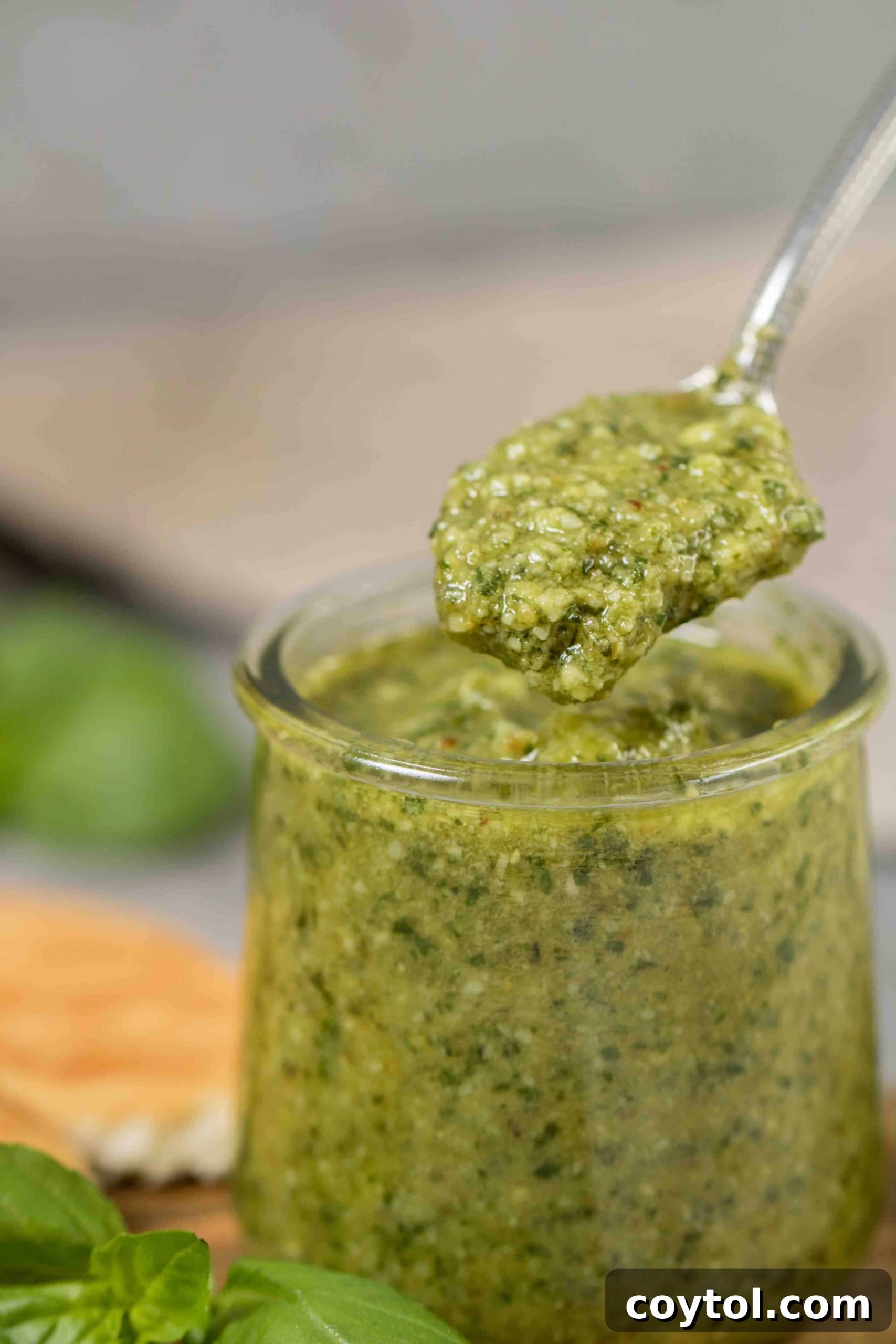
Easy Homemade Pesto Recipe
If you tried this pesto recipe and absolutely loved it, please consider leaving us a rating by clicking on the 5 stars below the recipe title and description. Your feedback truly helps!
Rate this recipe 5 out of 5 stars (3 votes)
Easy Homemade Pesto
5 minutes
5 minutes
2 cups
Print Recipe
Ingredients
-
3
cups
basil
(rinsed and dried) -
3/4
cup
grated Parmesan or Romano cheese -
1/2
cup
toasted pine nuts
-
4
large
garlic cloves -
3/4
cup
good quality extra virgin olive oil
-
1/4
tsp
salt
Instructions
-
In a food processor, combine the basil, Parmesan cheese, toasted pine nuts, garlic, and salt. Pulse several times until the ingredients are finely chopped and a coarse paste forms. Scrape down the sides of the bowl as needed.
-
With the food processor running on low speed, slowly drizzle in the extra virgin olive oil through the feed tube. Continue processing until the mixture is well combined and emulsified into a smooth, vibrant green sauce. Periodically stop and scrape down the sides of the food processor to ensure all ingredients are evenly blended.
-
Taste the pesto and add more salt if desired. Serve your fresh homemade pesto immediately, or store it for later enjoyment.
Notes
It can also be stored in an airtight container in the freezer for up to 3 months. Freezing in ice cube trays is an excellent method for convenient portioning.
Nutrition Facts (per 1 cup serving)
Calories:
1122
kcal
|
Carbohydrates:
9
g
|
Protein:
21
g
|
Fat:
115
g
|
Saturated Fat:
19
g
|
Cholesterol:
33
mg
|
Sodium:
869
mg
|
Potassium:
379
mg
|
Fiber:
2
g
|
Sugar:
2
g
|
Vitamin A:
2223
IU
|
Vitamin C:
8
mg
|
Calcium:
496
mg
|
Iron:
4
mg
Nutrition information is automatically calculated and should only be used as an approximation.
Enjoying this recipe? Leave a comment below and share your experience!
Thank you for exploring the wonderful world of homemade pesto with us. We hope this guide empowers you to create fresh, flavorful pesto that will delight your taste buds and impress your family and friends. If you tried this easy homemade pesto recipe and loved it, please share your thoughts in the comments below. We always love hearing how your culinary adventures turn out!
Don’t forget to follow us on Instagram for more delicious recipes and cooking inspiration!

Shop This Recipe: Tools & Ingredients
This post may contain affiliate links, meaning that at no additional cost to you, I may receive a small commission if you make a purchase through these links. Your support helps keep this content coming!