
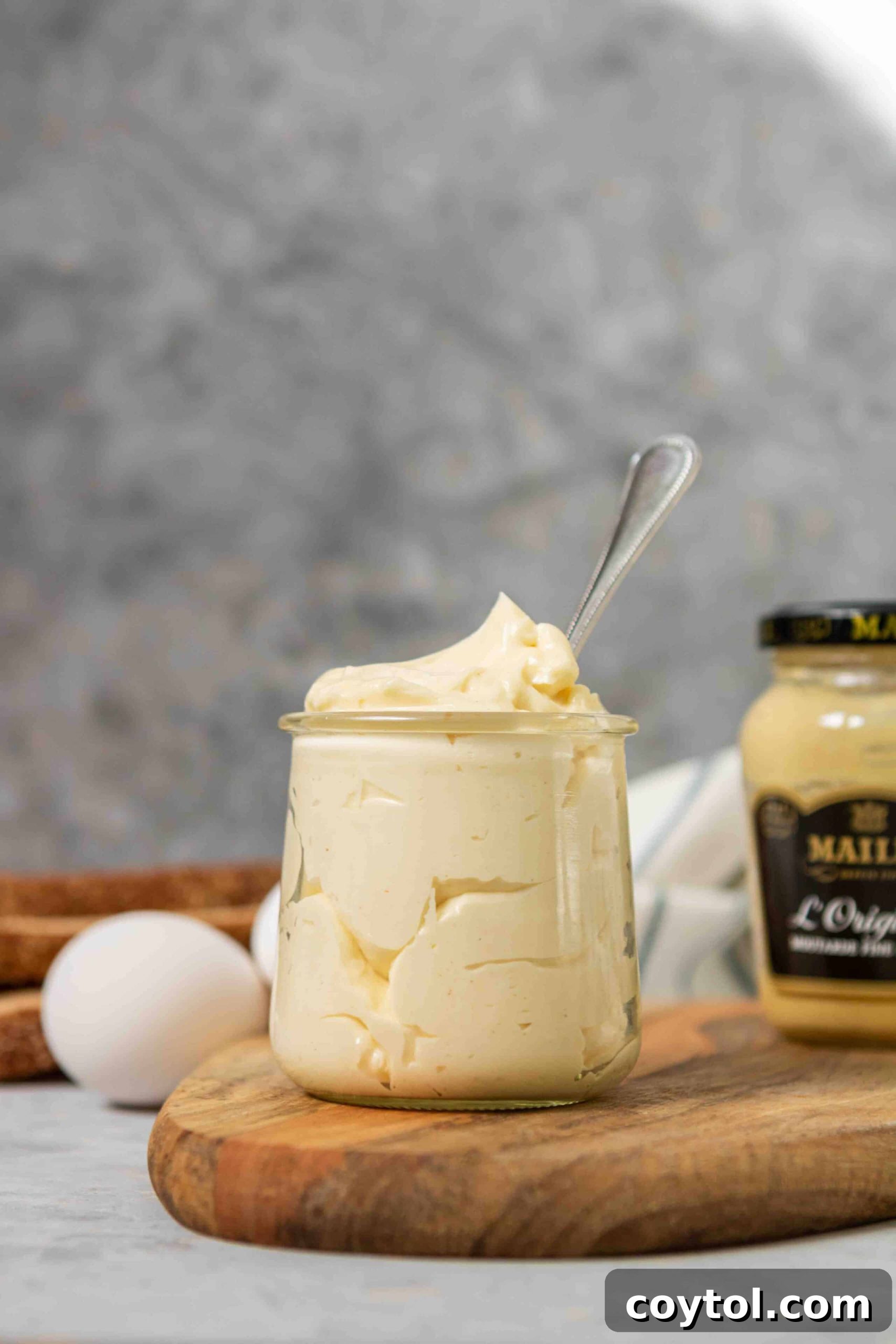
Forget everything you thought you knew about mayonnaise. This homemade version isn’t just better; it’s a revelation. In less than 10 minutes of hands-on time, you can create a creamy, rich, and flavorful condiment that will make store-bought mayo a distant memory. With just 5 essential ingredients, you’re about to unlock the secret to truly superior mayonnaise right in your own kitchen. Prepare to be amazed!
Sign Up to Our Mailing List for a Free Weekly Meal Planner and Recipe Card!
Subscribe to Our Newsletter
Join our community to receive a free weekly meal planner, exclusive recipe cards, and updates on our latest culinary adventures. Don’t miss out on delicious inspiration delivered straight to your inbox!
Ready to get started? Click here to subscribe!
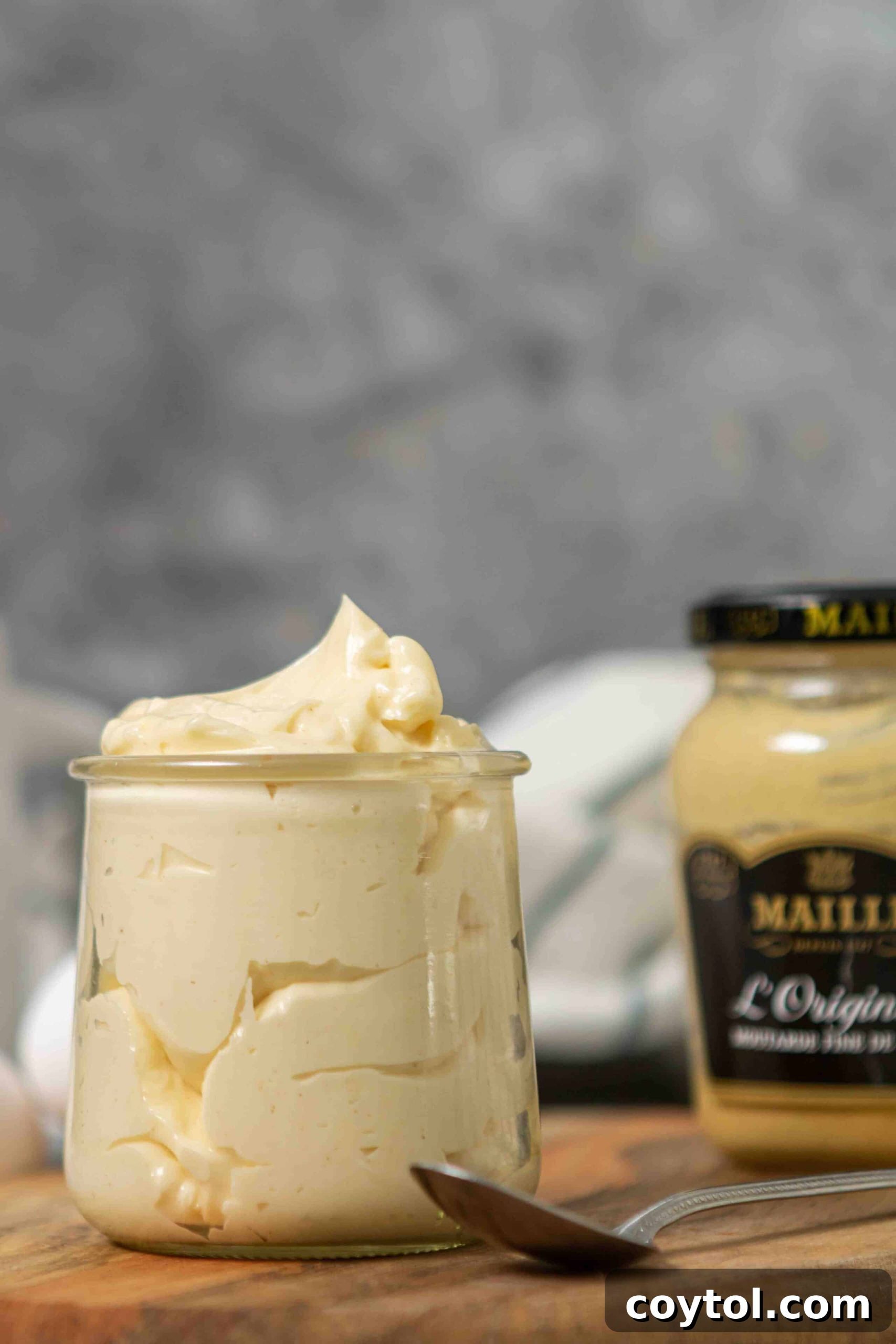
Mayonnaise holds a very special place in my heart, a love affair that began long before I understood the magic of homemade condiments. I still fondly recall childhood days at my grandmother’s house, where my cousin and I would conduct our culinary experiments. Our favorite creation? A simple yet profoundly satisfying “mayo sandwich” – just a slice of bread generously spread with mayonnaise and a dollop of ketchup. Yes, I might have been a slightly plump child, but when the joy of food is that powerful, what’s a little extra weight?
Looking back, those mayo sandwiches might seem a tad unusual, even to me. Yet, I completely understand my younger self’s devotion. Food is life, after all, and sometimes the simplest combinations bring the greatest comfort. This deep-seated affection for mayonnaise is precisely why I’m so excited to share this incredibly easy homemade mayonnaise recipe with you. It’s not just for fun; it’s for those moments when you crave fresh mayo but the thought of a grocery run seems like an insurmountable challenge.
Master the Art of Mayonnaise: Your Go-To Homemade Recipe Starts Here!
If the idea of making your own mayonnaise feels daunting, let me reassure you: it’s surprisingly simple. Forget the intimidating whispers of tricky emulsions; this recipe is designed for success. Beyond its ease, homemade mayonnaise offers a significant advantage over its store-bought counterparts: the absence of preservatives and unnecessary additives. You gain complete control over what goes into your food, resulting in a cleaner, fresher, and undeniably more delicious condiment.
In today’s world, convenience is king, but so is quality. Think about those days when the weather makes stepping outside feel like an Olympic sport, or when your schedule leaves no room for an extra trip to the store. Why endure the hassle of driving, parking, and waiting in line for a tub of mayo when you can whip up a fresh batch in minutes from the comfort of your kitchen? This recipe is your ticket to culinary self-sufficiency, ensuring you always have creamy, luscious mayonnaise on hand, ready to elevate any dish. You’ll thank yourself later!
Why This Food Processor Mayonnaise Recipe Is a Game-Changer
Homemade mayonnaise is a permanent fixture in my pantry, and for good reason. Once you experience the difference, there’s simply no going back. Here’s what makes this particular food processor mayonnaise recipe so beloved:
- Lightning Fast: You can go from zero to creamy mayo in genuinely less than 10 minutes. It’s quicker than most trips to the grocery store!
- Flavor Freedom: The taste is absolutely incredible, far surpassing anything from a jar. Plus, you have the power to tweak the flavor profile to perfectly match your preferences – a little more tang, a touch more salt, or a hint of spice.
- Pure Ingredients: Say goodbye to processed ingredients, artificial flavors, and unpronounceable preservatives. By making your mayo at home, you literally control every single component, ensuring a fresh and wholesome product.
- Rewarding & Delicious: Not only is it incredibly flavorful, but there’s a unique satisfaction in creating such a staple from scratch. It’s a fun, engaging process with a delicious reward.
Essential Ingredients for Perfect Homemade Mayo
Crafting your own creamy mayonnaise requires just a handful of basic ingredients, most of which you likely already have in your kitchen. The magic lies in how these simple components come together:
- Egg: The foundation of this glorious emulsion. A single large egg provides the necessary protein and lecithin to bind the oil and acid. While I typically use raw eggs, if you have concerns about consuming raw egg, opt for pasteurized eggs for peace of mind. Ensuring all ingredients are at room temperature is key for a successful emulsion.
- Mustard: Far from just a seasoning, mustard plays a critical role as an emulsifier. Its compounds help stabilize the mixture, preventing it from separating. You won’t taste a strong mustard flavor in the finished product; it’s there for function more than prominent taste, though it does add a subtle depth.
- Apple Cider Vinegar: The acidic kick from apple cider vinegar is essential. It not only contributes a lovely tang that brightens the overall flavor but also helps to further stabilize the emulsion, ensuring a thick and creamy texture. White vinegar can be used as a substitute if preferred.
- Salt: A touch of salt is crucial for seasoning and enhancing all the other flavors. Start with a quarter teaspoon and adjust to your palate at the end.
- Neutral Flavored Oil: This is the bulk of your mayonnaise, so choosing the right oil is paramount. A neutral-flavored oil is key to achieving that classic, smooth mayo taste without any overpowering notes.
- Lemon Juice (Optional): For an extra layer of brightness and a more pronounced tangy finish, a squeeze of fresh lemon juice can be added at the end. It’s a wonderful way to customize your mayo.
Selecting the Best Oil for Your Homemade Mayonnaise
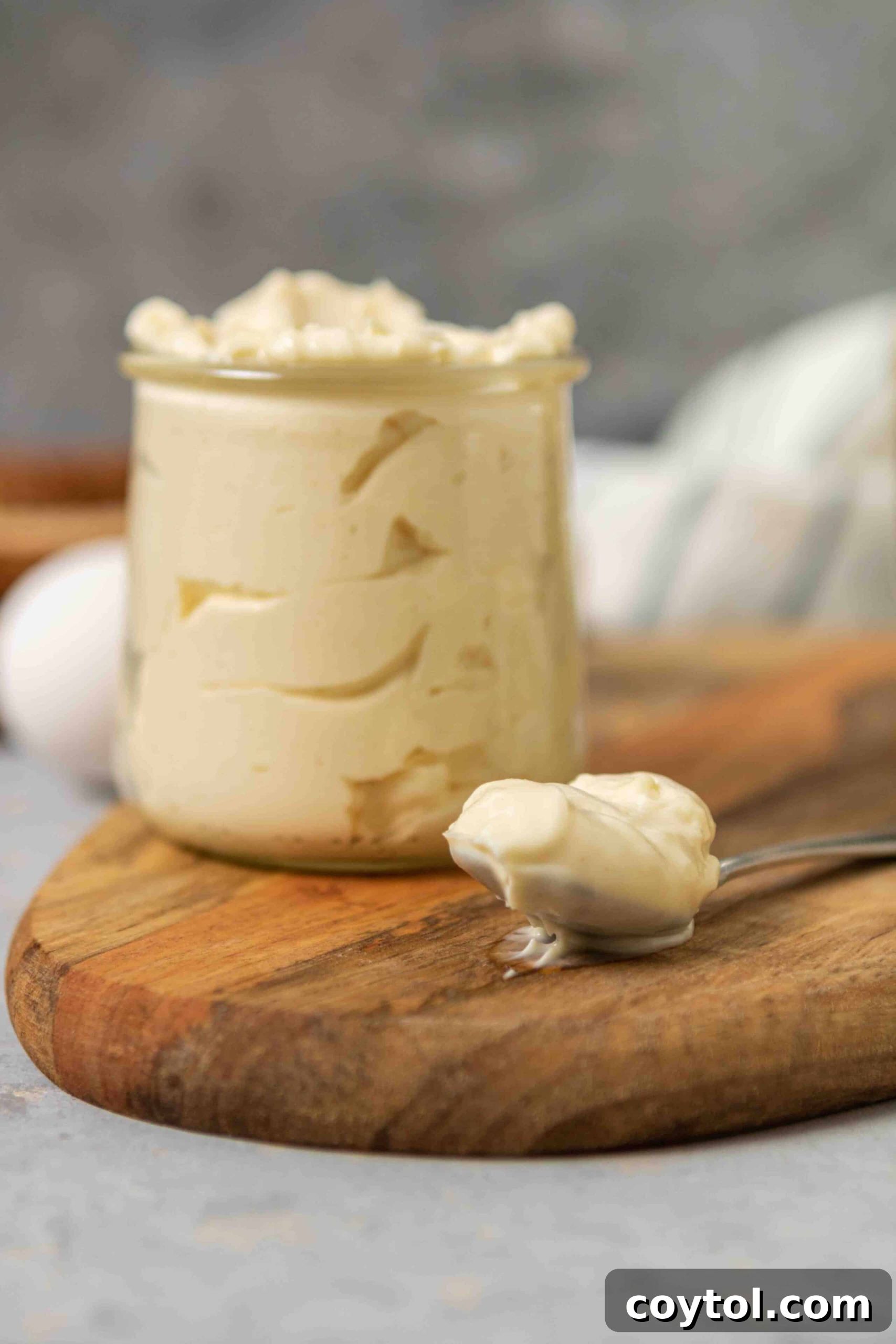
The type of oil you choose for your mayonnaise significantly impacts its flavor and texture. For a classic, universally appealing mayonnaise, a neutral-flavored oil is highly recommended. This allows the subtle tang of the vinegar and the richness of the egg to shine through without any competing tastes.
Here are some of the best neutral oils for homemade mayonnaise:
- Grapeseed Oil: Light, clean, and virtually flavorless, grapeseed oil is an excellent choice that produces a very smooth and mild mayonnaise.
- Canola Oil: Widely available and affordable, canola oil is another neutral option that works beautifully for homemade mayo.
- Sunflower Oil: Similar to grapeseed, sunflower oil offers a light flavor profile that won’t overpower your mayonnaise.
- Peanut Oil: While having a slightly nutty aroma, refined peanut oil is still considered neutral enough for many. Be mindful of allergies.
- Avocado Oil: A fantastic, heart-healthy option that is wonderfully neutral and produces a silky smooth mayonnaise.
- Olive Oil: You can use olive oil, but a word of caution: steer clear of extra virgin olive oil. Its robust, sometimes bitter flavor can easily overwhelm and make your mayonnaise taste unpleasant. If you choose olive oil, opt for light or pure olive oil, which have a much milder taste. Start by substituting only half of the neutral oil with light olive oil to test the flavor.
Understanding the Safety of Raw Eggs in Mayonnaise
The use of raw eggs in homemade mayonnaise often raises questions about safety, primarily concerning Salmonella. According to the USDA, consuming raw or undercooked eggs carries a risk. However, it’s important to put this risk into perspective. The Centers for Disease Control and Prevention (CDC) estimates that only about 1 in every 20,000 eggs may be contaminated with Salmonella. This means the odds of encountering a contaminated egg are relatively low.
From a personal standpoint, I’ve regularly enjoyed raw cookie dough, homemade mayonnaise, and other dishes containing raw eggs for years without ever experiencing an issue. Many home cooks and chefs share this experience.
To minimize any potential risk and ensure you’re making the healthiest mayonnaise possible, consider these practices:
- Source High-Quality Eggs: Purchase eggs from reputable local farms or grocery stores that prioritize freshness and humane practices. Fresher eggs are generally considered safer.
- Cleanliness: Always start with clean hands, clean equipment, and fresh, uncracked eggs.
- Temperature: Ensure your eggs are at room temperature before starting the recipe. This aids in emulsification and can make the process smoother.
- Pasteurized Eggs: For 100% peace of mind, especially if serving to children, the elderly, pregnant women, or those with compromised immune systems, opt for pasteurized eggs. These eggs have been gently heated to kill bacteria without cooking them, making them safe for raw consumption.
Foolproof Step-by-Step Guide to Homemade Mayonnaise
Making mayonnaise in a food processor is incredibly straightforward. Follow these steps carefully, and you’ll have a perfectly emulsified, creamy condiment every time:
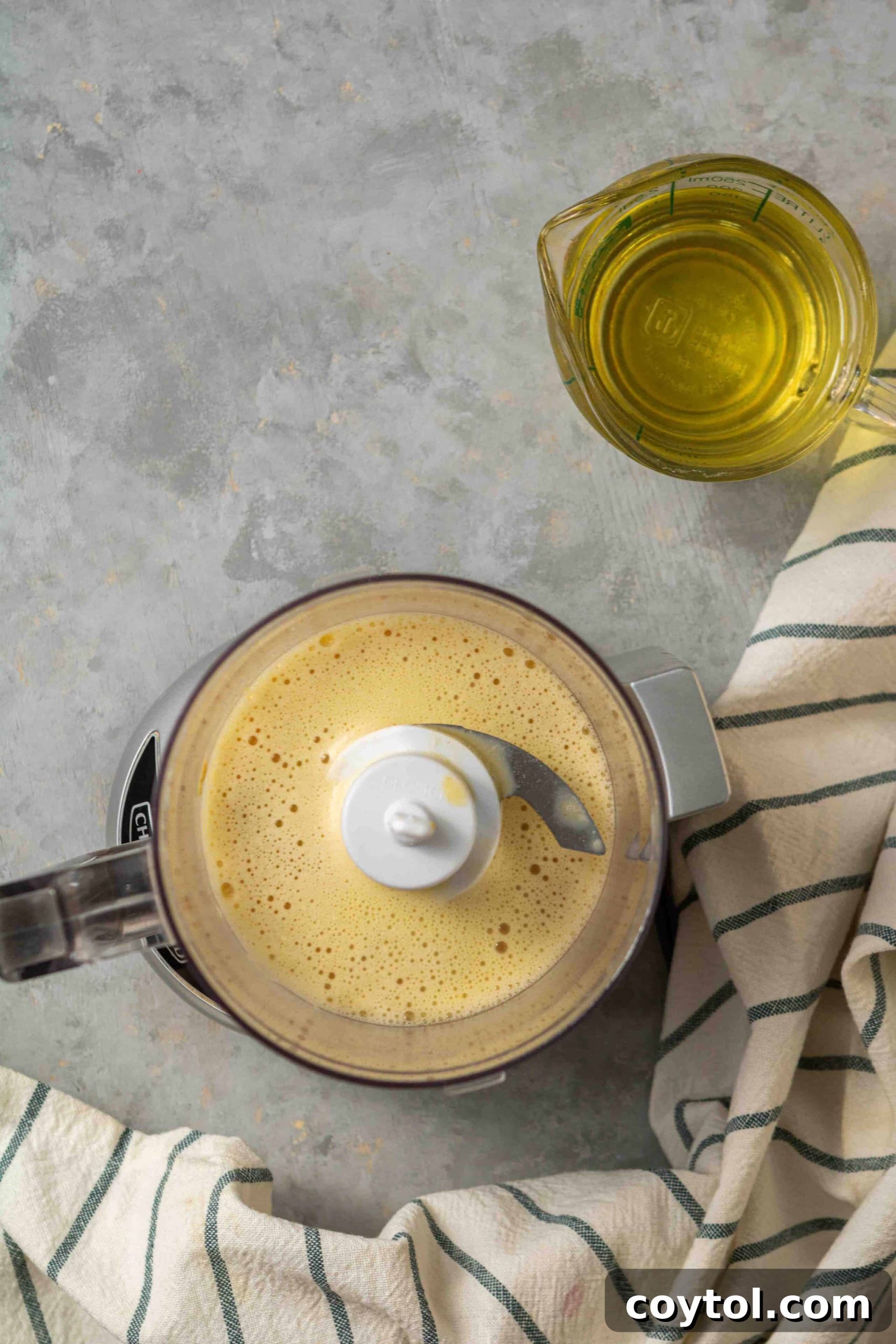
- Combine Base Ingredients: In the bowl of a small food processor (or using the small bowl attachment of your larger food processor), add one large room-temperature egg, 1/2 tablespoon of mustard, 1 tablespoon of apple cider vinegar, and 1/4 teaspoon of salt. Process these ingredients for a full 30 seconds. This step thoroughly combines them and begins to aerate the mixture.
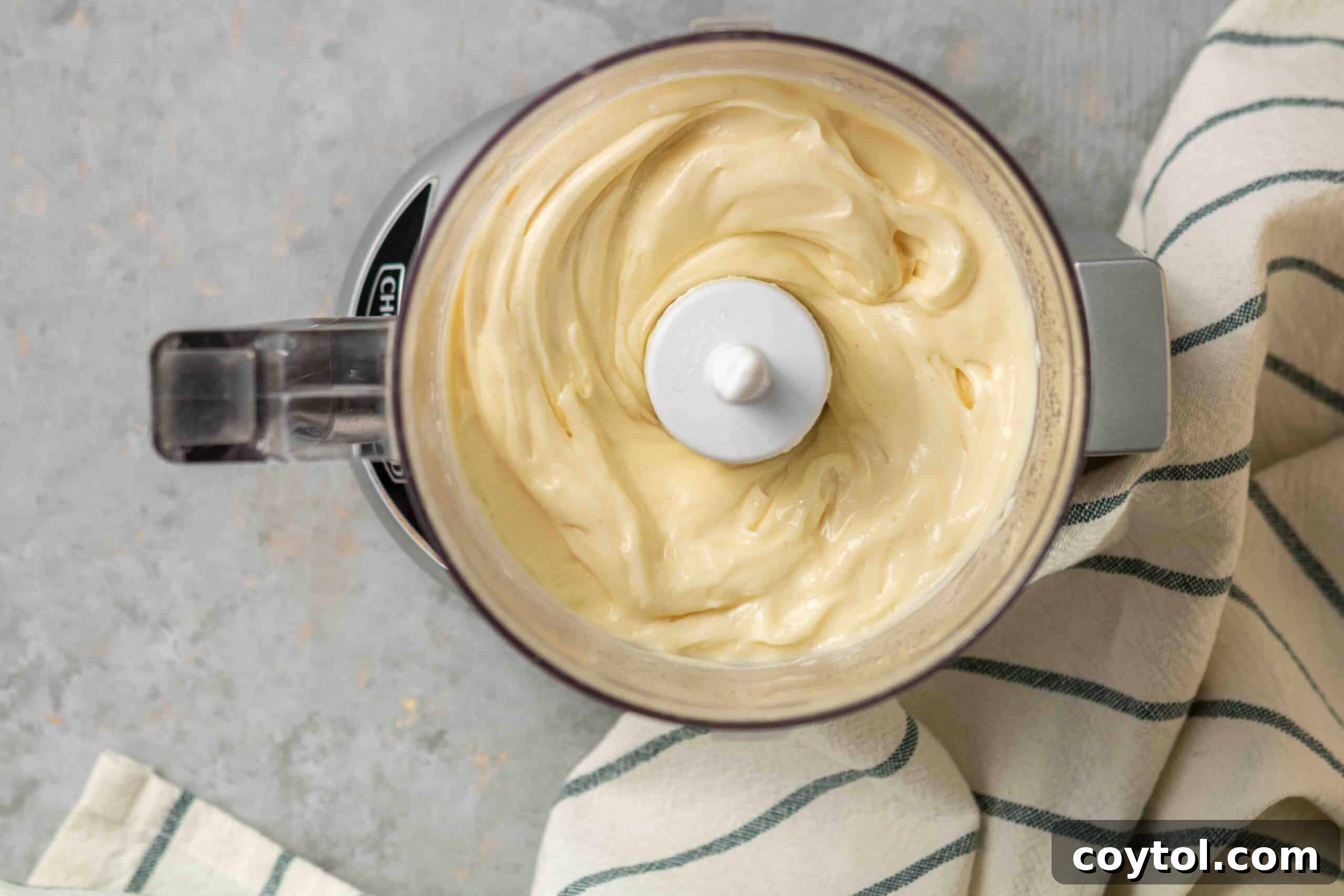
- Slowly Introduce Oil for Emulsification: Stop the food processor briefly to scrape down the sides of the bowl, ensuring all ingredients are incorporated. Turn the food processor back on and, using the feed tube, very slowly begin to drizzle in the neutral-flavored oil. The key here is patience; start with a thin, steady stream, almost drop by drop, allowing the egg mixture to gradually emulsify with the oil. This slow addition is crucial for creating a stable emulsion. As the mayonnaise mixture begins to visibly thicken and become creamy, you can gradually increase the speed of your oil pour to a slightly faster, but still controlled, stream.
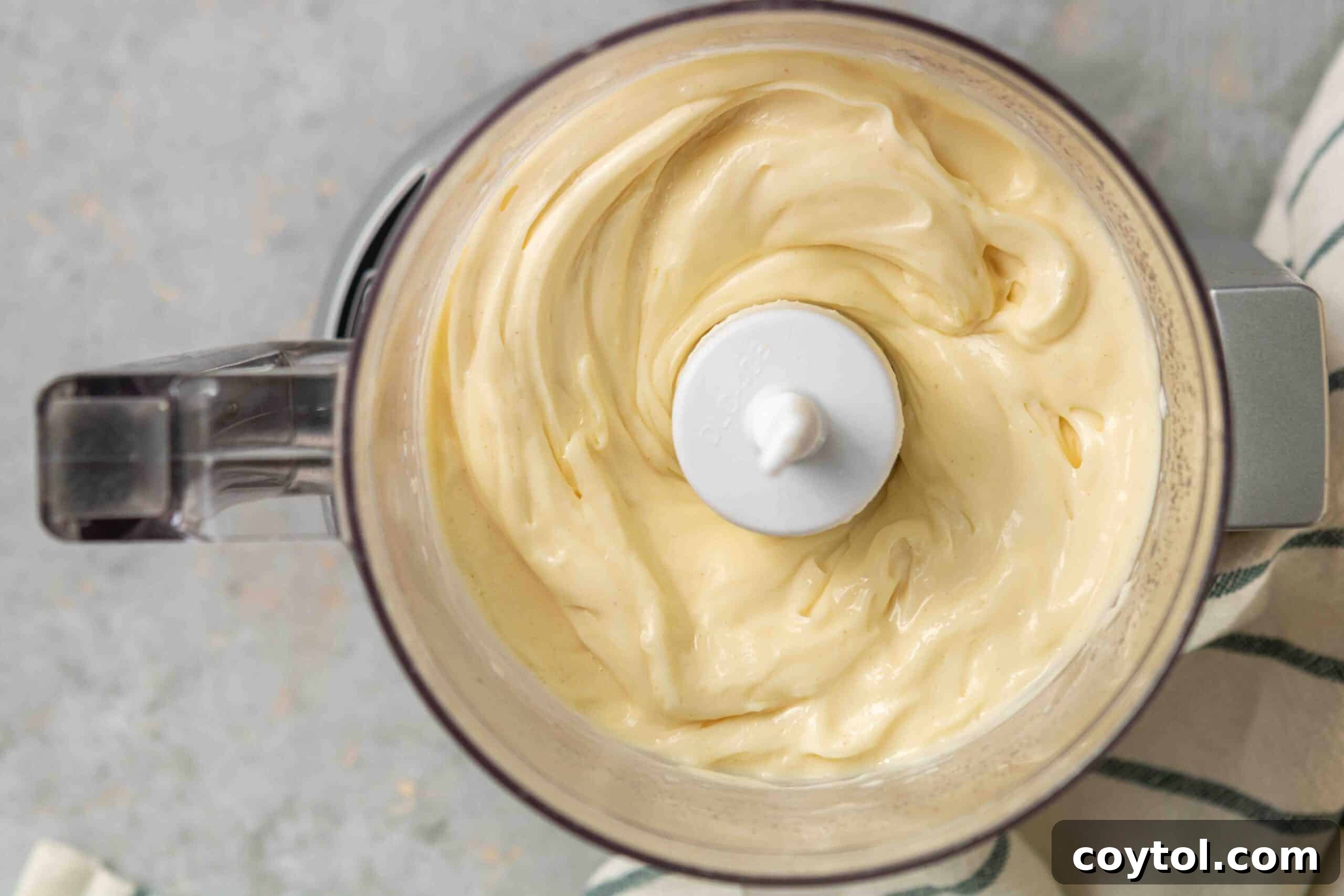
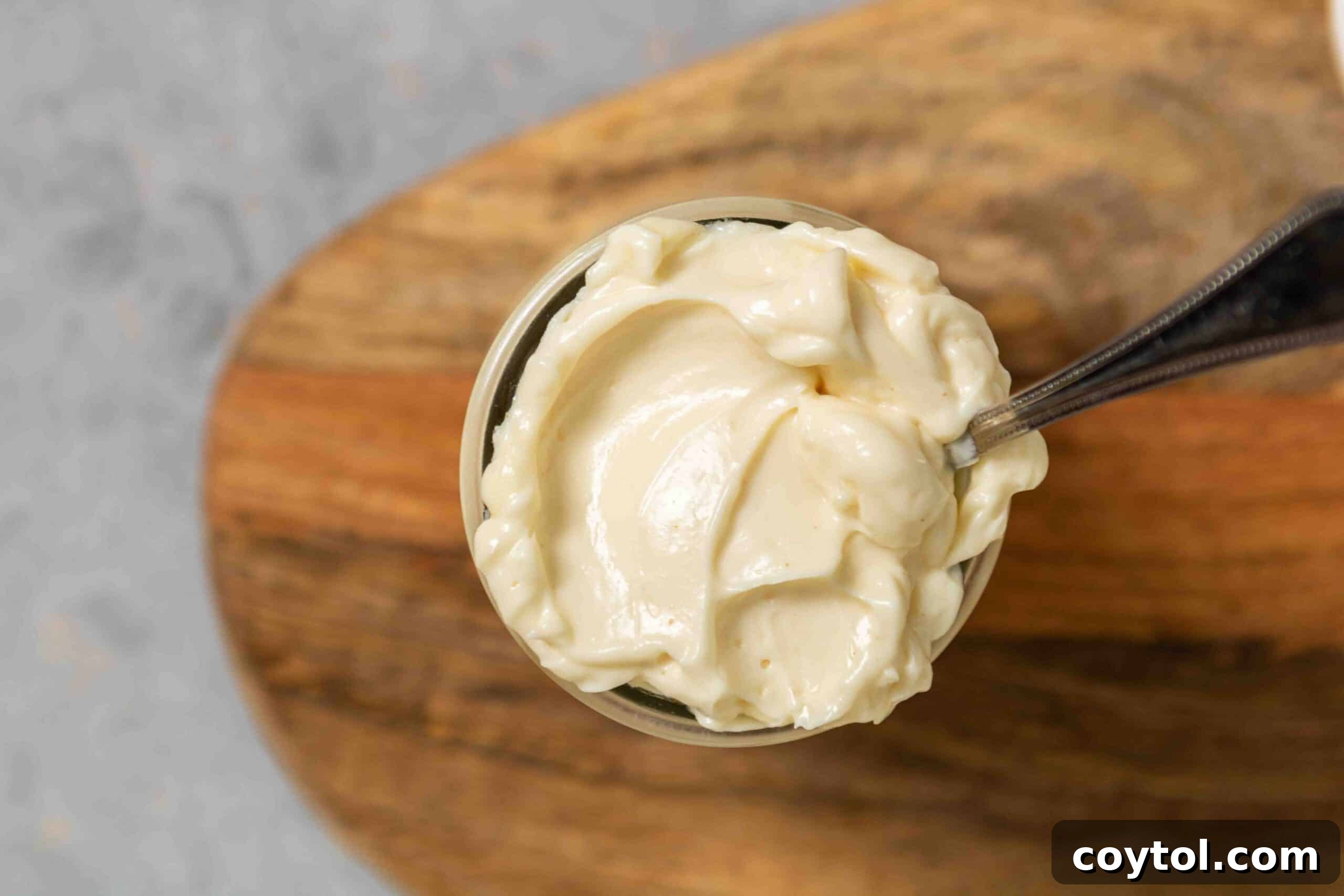
- Final Touches and Seasoning: Once all the oil has been incorporated and the mayonnaise is thick and smooth, continue processing for another 10 seconds to ensure everything is fully combined. Turn off the food processor, scrape down the sides one last time, and taste your freshly made mayonnaise. This is your chance to adjust the seasoning: add more salt if needed, or a splash of lemon juice for extra brightness and tang. Process for another 5-10 seconds to fully incorporate any added seasonings.
Can You Freeze Homemade Mayonnaise?
Unfortunately, freezing homemade mayonnaise is not recommended. The delicate emulsion created during the making process is sensitive to temperature changes. When mayonnaise is frozen and then thawed, the water and oil components separate, causing the emulsion to break. You’ll end up with a watery, oily, and unappetizing mess rather than the smooth, creamy texture you worked so hard to achieve. It’s best to enjoy homemade mayonnaise fresh and within its recommended shelf life.
Creative Homemade Mayonnaise Variations to Explore
This basic mayonnaise recipe is an incredible canvas for culinary creativity. Once you’ve mastered the classic, you can effortlessly transform it into a multitude of flavorful sauces and dips. Let your imagination run wild!
- Garlic Aioli: To create a rich and pungent garlic aioli, simply add one or two minced garlic cloves to the egg mixture at the very beginning of the process. The food processor will finely mince and incorporate the garlic, resulting in an incredibly flavorful sauce perfect for fries, sandwiches, or roasted vegetables.
- Spicy Sriracha Mayo: For a fiery kick, incorporate 1 to 3 teaspoons of sriracha (or more, if you’re feeling adventurous!) after your mayonnaise has thickened. Process for another 10 seconds to thoroughly combine the sriracha, yielding a vibrant, spicy mayo ideal for sushi, tacos, or as a dipping sauce.
- Fresh Herb Mayo: Stir in a tablespoon or two of finely chopped fresh herbs like chives, parsley, dill, or tarragon after the mayo is complete. This adds a beautiful freshness and aroma.
- Smoky Paprika Mayo: Add 1/2 to 1 teaspoon of smoked paprika during the initial blending of the egg mixture for a delicious smoky flavor that pairs wonderfully with grilled foods.
- Lemon Herb Mayo: Beyond the optional lemon juice, consider adding lemon zest along with your chosen fresh herbs for an extra bright and zesty mayo.
Essential Tips for Homemade Mayonnaise Success
While making mayonnaise is straightforward, a few key tips can ensure a perfect emulsion every time:
- Patience is a Virtue: The most critical step in mayonnaise making is the slow addition of oil. Drizzling the oil gradually, especially at the beginning, is absolutely essential for the egg and oil to emulsify properly. Rushing this step is the most common reason for a broken mayo.
- Room Temperature Ingredients: Ensure your egg and any other liquid ingredients (like mustard or vinegar) are at room temperature. Cold ingredients are more resistant to emulsification and can lead to a thinner or separated mayonnaise.
- Don’t Overmix (After Emulsification): Once your mayonnaise has thickened and formed a stable emulsion, avoid excessive processing. Overmixing can sometimes lead to a slightly thinner texture. Just process long enough to fully incorporate added seasonings or variations.
- Correct Equipment: A food processor or an immersion blender (using a narrow jar) are the easiest tools for homemade mayonnaise. A regular blender can work but requires more oil, and hand-whisking is possible but demands significant arm strength and patience.
Delicious Recipes to Elevate with Your Homemade Mayo
Once you have a fresh batch of homemade mayonnaise, the culinary possibilities are endless! Its superior flavor will instantly upgrade your favorite dishes:
- Delicious 5-Minute Tuna Sandwich: The rich, creamy texture of homemade mayo transforms a simple tuna sandwich into a gourmet experience.
- Easy Macaroni Salad: A staple for picnics and potlucks, macaroni salad benefits immensely from the fresh, vibrant taste of your homemade creation.
- Mayo Parmesan Chicken Breasts: Use it to create a tender, flavorful coating for baked chicken that locks in moisture and adds incredible taste.
- Creamy Potato Salad: A classic that demands the best mayo for a truly irresistible side dish.
- Homemade Ranch Dressing: Use your mayo as the base for a fresh, zesty homemade ranch.
- Crispy Fried Chicken Coating: Mix mayo with spices and use it as a binder for breading, leading to extra crispy and flavorful chicken.
Easy Homemade Mayonnaise in the Food Processor
If you enjoyed this homemade mayonnaise recipe, make sure to give it a 5-star rating by clicking on the 5 stars under the title and description to share your feedback with us!
No-Fail Food Processor Homemade Mayonnaise Recipe
Print Recipe
Equipment
Want to easily save this recipe for later or have it sent directly to your inbox? Join our newsletter to get access to exclusive recipe cards and meal plans!
Subscribe to Save
Ingredients
- 1 large egg (at room temperature)
- 1/2 tbsp Dijon mustard
- 1 tbsp apple cider vinegar (or white vinegar)
- 1/4 tsp salt
- 1 cup neutral flavored oil (like grapeseed, canola, or avocado oil)
- 1 tsp fresh lemon juice (optional, for extra tang)
Instructions
-
In a small food processor or using the small bowl attachment of your large food processor, add the room-temperature egg, Dijon mustard, apple cider vinegar, and salt. Process for 30 seconds until well combined.
-
Scrape down the sides of the food processor bowl. With the food processor running, slowly begin to drizzle in the neutral oil through the feed tube in a very thin, steady stream. It’s crucial to add the oil as slowly as possible, especially at the beginning, to allow the mayonnaise to properly emulsify and thicken. Once the mixture starts to visibly thicken, you can gradually increase the speed of the oil drizzle slightly.
-
After all the oil has been added and the mayonnaise is thick and creamy, wait about 10 seconds before turning off the food processor. Scrape the sides of the bowl once more, taste the mayonnaise, and adjust seasoning as needed. Add any additional salt or a splash of lemon juice to taste, then process for another 5-10 seconds to fully incorporate.
Nutrition
Carbohydrates: 1g |
Protein: 7g |
Fat: 229g |
Saturated Fat: 18g |
Cholesterol: 186mg |
Sodium: 738mg |
Potassium: 69mg |
Sugar: 1g |
Vitamin A: 270IU |
Calcium: 28mg |
Iron: 1mg
Nutrition information is automatically calculated, so should only be used as an approximation.
Frequently Asked Questions (FAQ) About Homemade Mayonnaise
- How long does homemade mayonnaise last? When stored properly in an airtight container in the refrigerator, homemade mayonnaise typically lasts for about 1 to 2 weeks. Since it contains raw egg, it’s important to consume it within this timeframe for freshness and safety.
- Can I make mayonnaise without a food processor? Yes, you can! An immersion blender is another excellent tool, often cited as even easier for foolproof mayo. You can also make it by hand with a whisk, but it requires significantly more effort, patience, and a steady stream of oil.
- What if my mayonnaise breaks or separates? Don’t despair! This can happen if the oil is added too quickly or ingredients are too cold. To fix it, start with a fresh egg yolk (or half a teaspoon of Dijon mustard) in a clean bowl. Slowly whisk in the broken mayonnaise, a teaspoon at a time, until it emulsifies again.
- Can I use a different type of vinegar? Absolutely! While apple cider vinegar adds a nice fruitiness, white vinegar, red wine vinegar, or even rice vinegar can be used. Each will impart a slightly different flavor profile, so feel free to experiment.
Thank you so much for exploring the wonderful world of homemade mayonnaise with us!
If you tried this fantastic homemade mayonnaise recipe and loved it as much as we do, please make sure to leave a comment below to let us know how your creamy creation turned out. In the meantime, don’t forget to follow us on Instagram for more delicious recipes and cooking tips.

Shop This Recipe
This post may contain affiliate links, meaning that at no additional cost to you, I will earn a small commission if you make a purchase through my links. Your support helps keep this blog running!
