
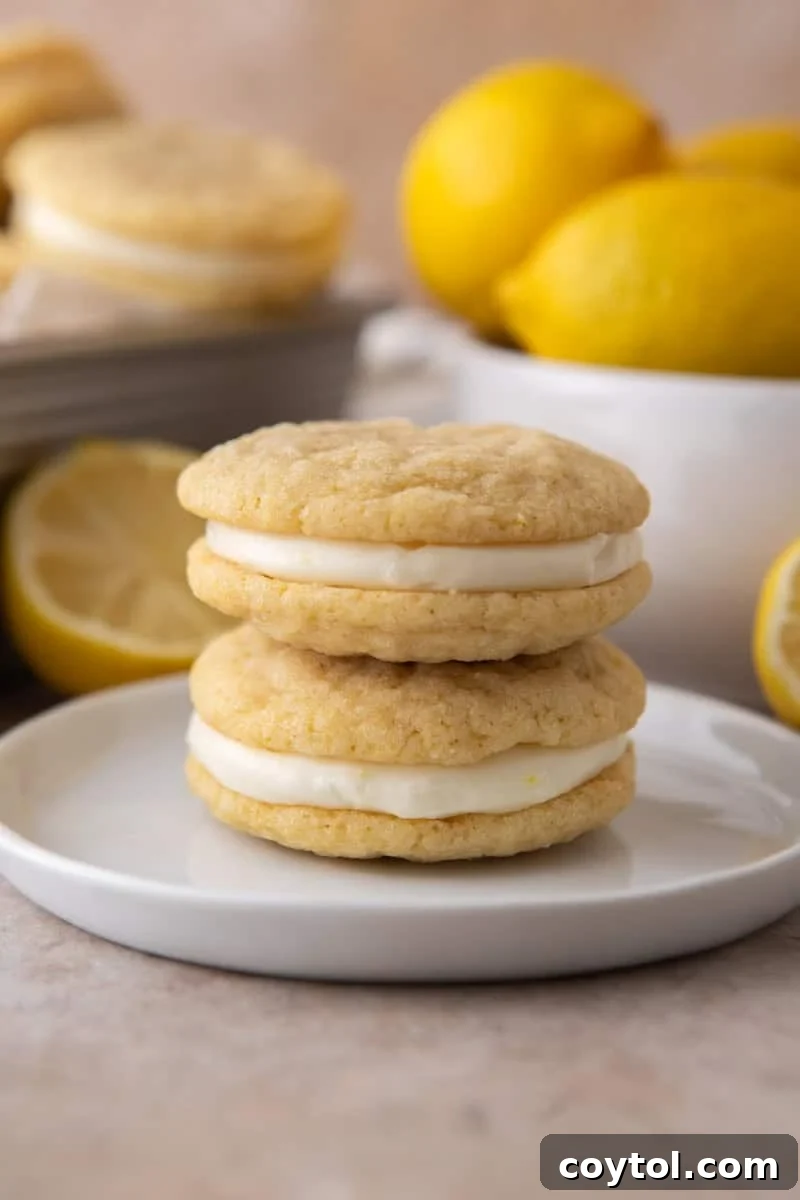
Lemon sandwich cookies began life as an attempt to make an ultra-soft lemon sugar cookie. The dough baked up soft, chewy, and buttery with slightly crisp edges, but the cookies spread and developed small cracks on top. Rather than fight the texture, I sandwiched two cookies together with a tangy cream cheese lemon frosting—and the result was far better than I expected. These sandwiches are soft, chewy, and bright with triple lemon flavor in every bite.
This post was sponsored by Plugrà Premium European Style Butter. All opinions are my own.
Let’s Chit Chat!
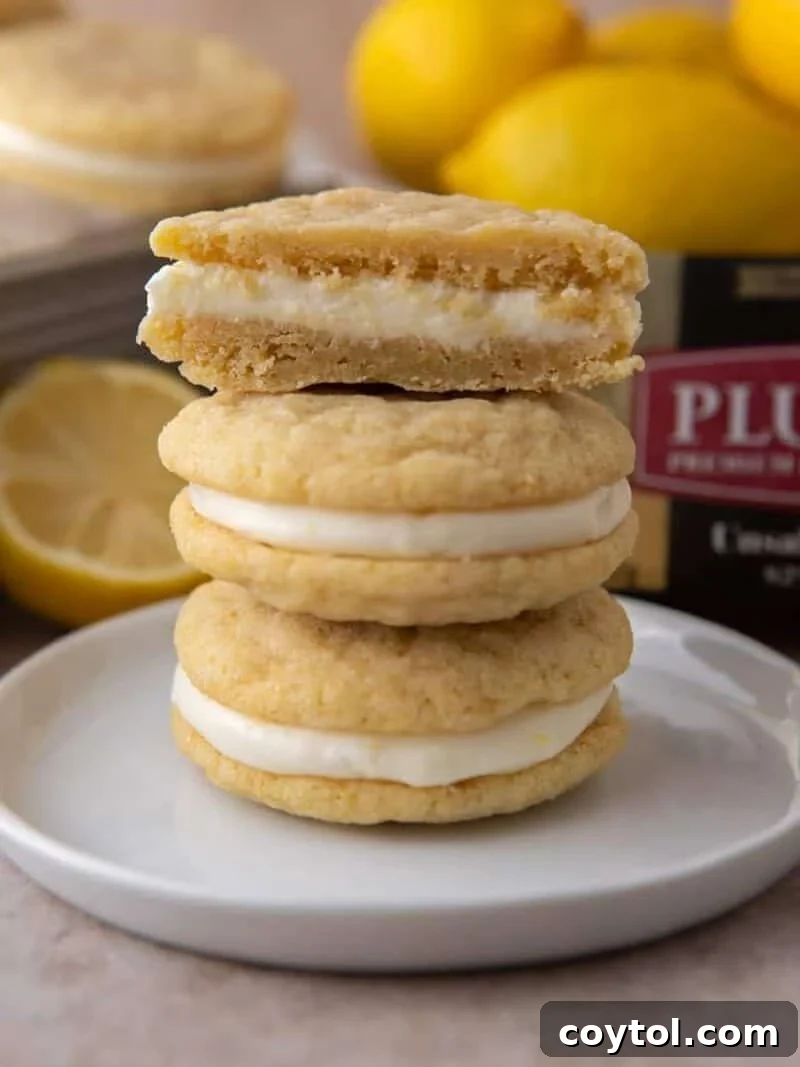
After three rounds of testing I realized these cookies were meant to be joined together. The first batch spread too much, the second cracked on top, and the third did both—but the texture was exactly what I wanted: tender and chewy with a delicate edge. Adding a cream cheese lemon frosting turned a cookie I thought was flawed into one of my favorites. If you enjoy bright, buttery lemon treats, these will not disappoint.
WHY YOU’LL LOVE THESE LEMON SANDWICH COOKIES
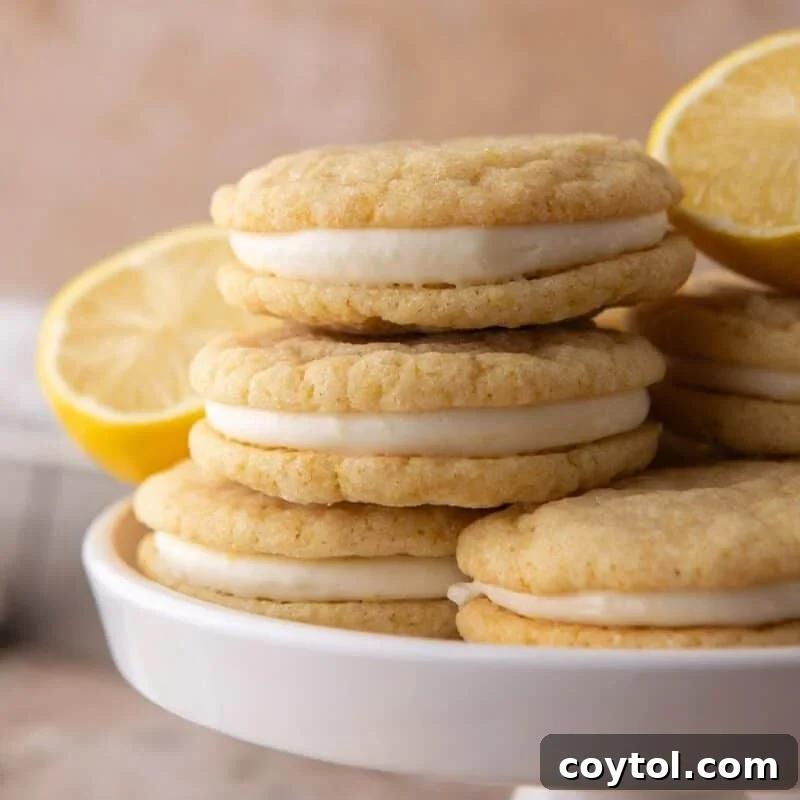
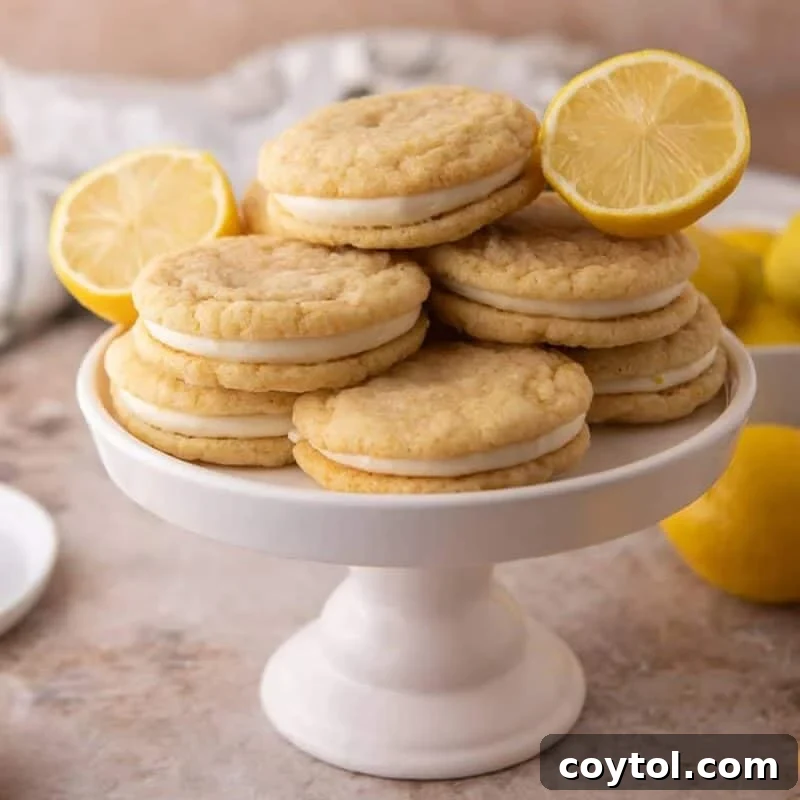
Sandwiching two soft lemon sugar cookies with a tangy cream cheese lemon frosting makes a truly delightful treat. Using lemon zest, juice, and lemon extract layers bright citrus through both cookie and filling. The dough yields cookies that stay soft and chewy, while the frosting adds a fresh tang that balances the sweetness.
INGREDIENTS YOU’LL NEED
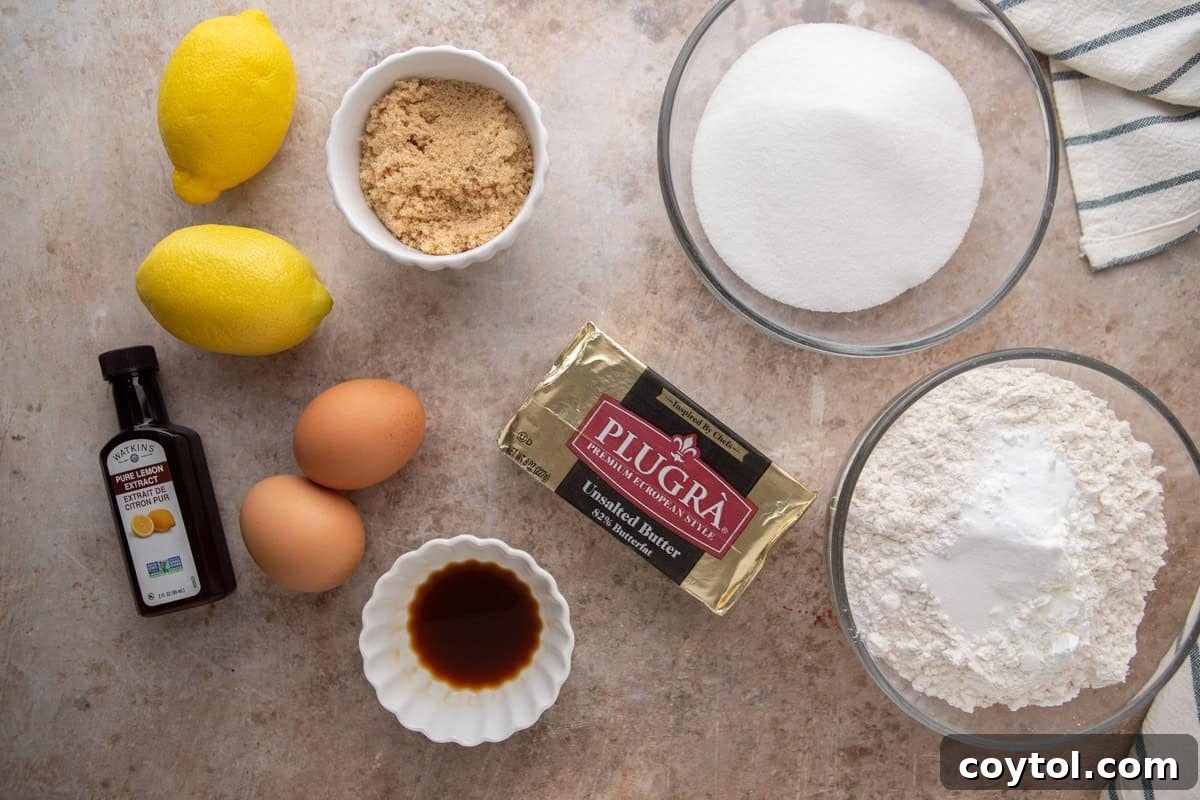
Key ingredients and why they matter:
- Plugrà butter—higher butterfat gives richer flavor and a more tender texture.
- Triple lemon (zest, juice, lemon extract)—layers fresh lemon flavor without relying on one source.
- Light brown sugar—adds moisture and chew for a soft cookie that keeps well.
- Cornstarch—improves tenderness and helps cookies hold a slightly thicker shape.
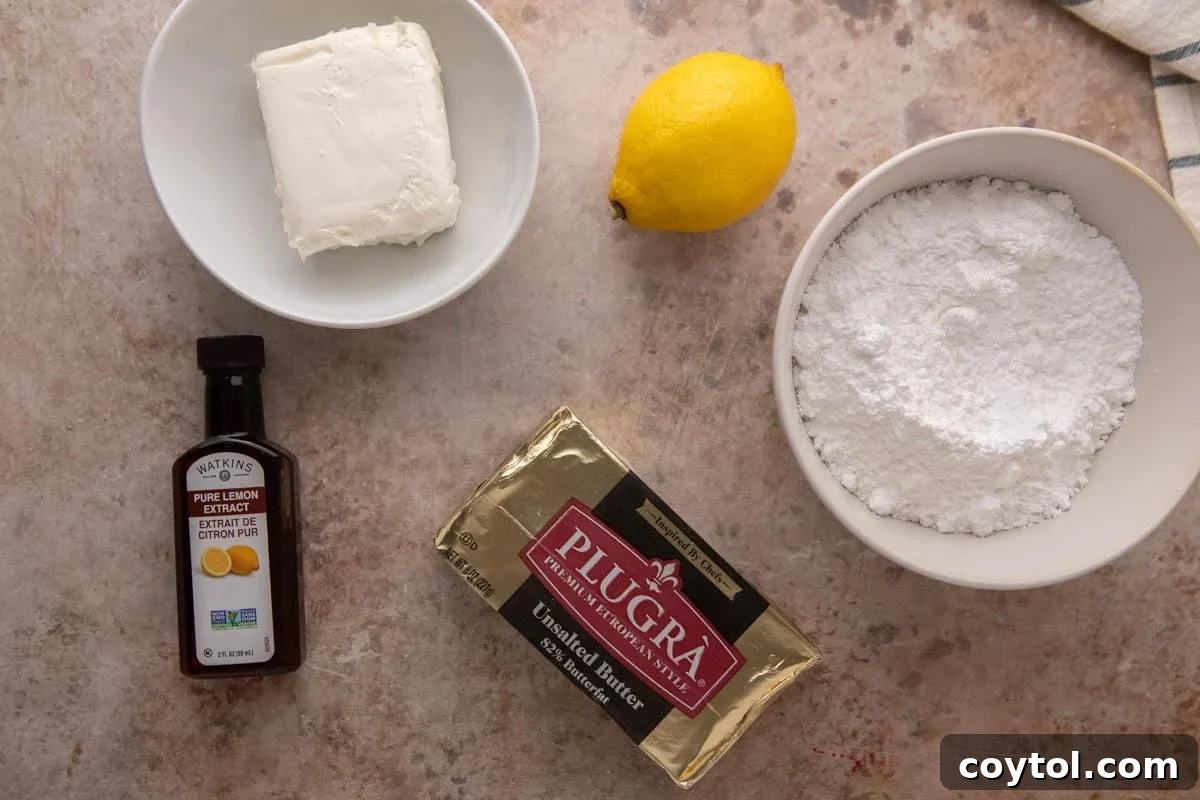
- Cream cheese in the frosting—adds tang to cut through the sweetness for a balanced filling.
Why I Use Plugrà Butter for These Cookies
Plugrà is a European-style, slow-churned butter with a higher butterfat percentage than standard American butter. That higher butterfat creates a dough that creams well with sugar, traps air effectively, and yields a cookie with richer flavor and a more tender crumb. The lower water content also helps keep the lemon flavor bright instead of muted.
When you cream Plugrà with sugar the mixture becomes light and airy and the dough behaves predictably when chilled and baked. For bakery-style texture and a clear lemon profile, I recommend using a high-quality European-style unsalted butter like Plugrà.
HOW TO MAKE LEMON SANDWICH COOKIES
- Whisk the dry ingredients together and set aside.
- Rub lemon zest into granulated sugar, then cream that mixture with butter and brown sugar until light and fluffy, about 3–4 minutes.
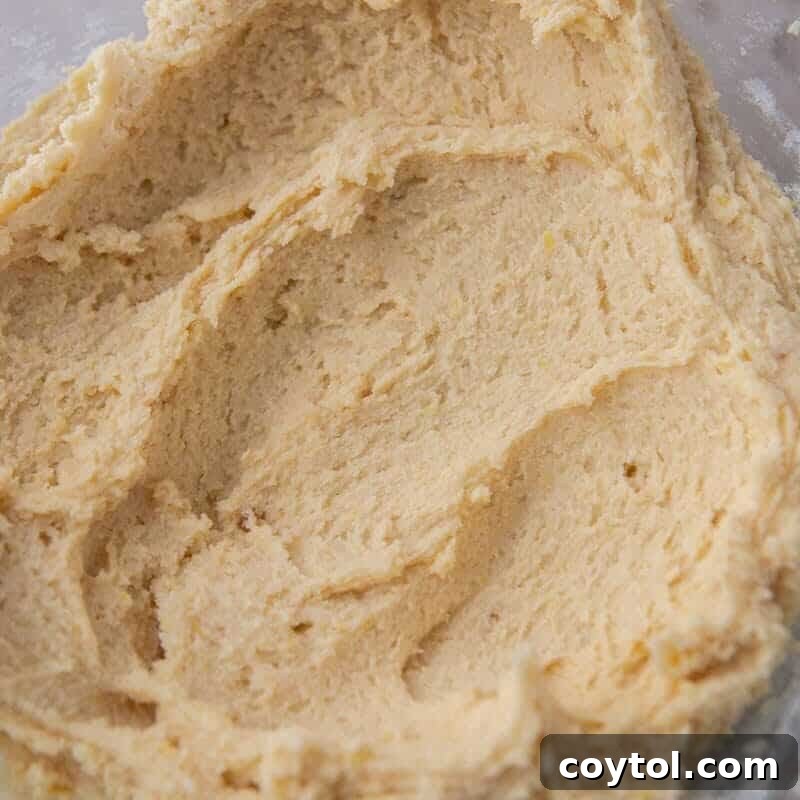
- Add the egg and egg yolk one at a time, then mix in lemon juice, lemon zest, lemon extract, and vanilla. Slight curdling is normal.
- Mix in the dry ingredients on low just until combined—do not overmix.
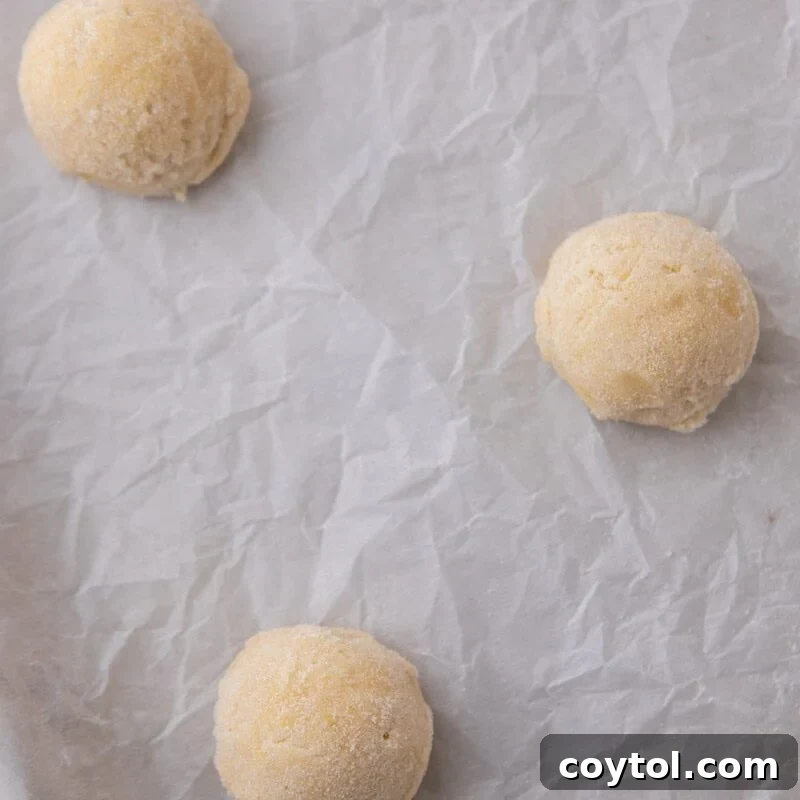
- Scoop the dough into 1.5-tablespoon balls, then chill the scooped balls for at least 2 hours. This helps them bake up thick and uniform.
- Roll chilled dough balls in granulated sugar and bake at 325°F for 10–11 minutes, until edges are set and centers look slightly underdone.
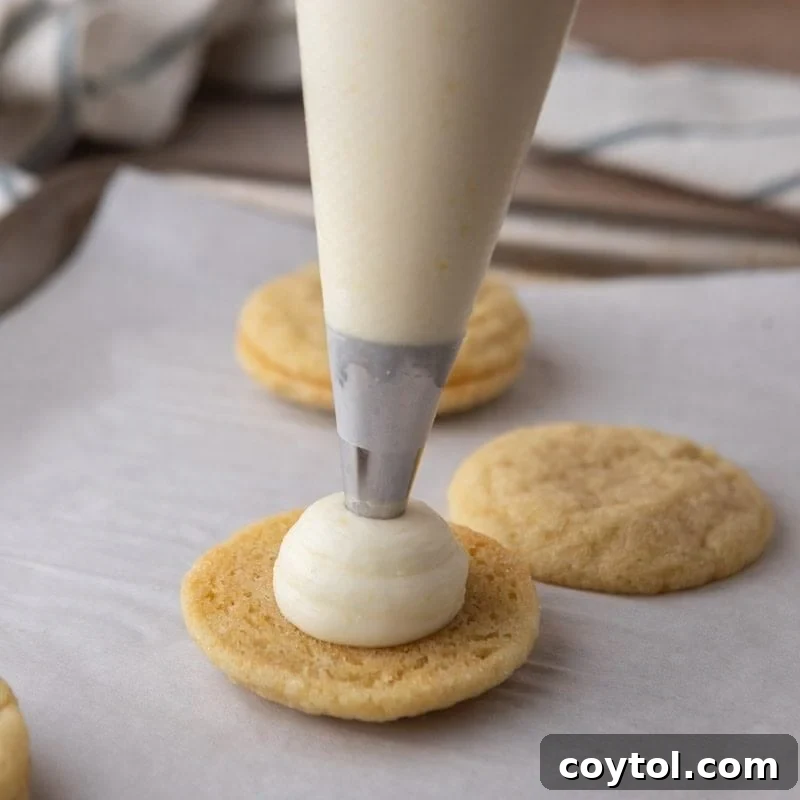
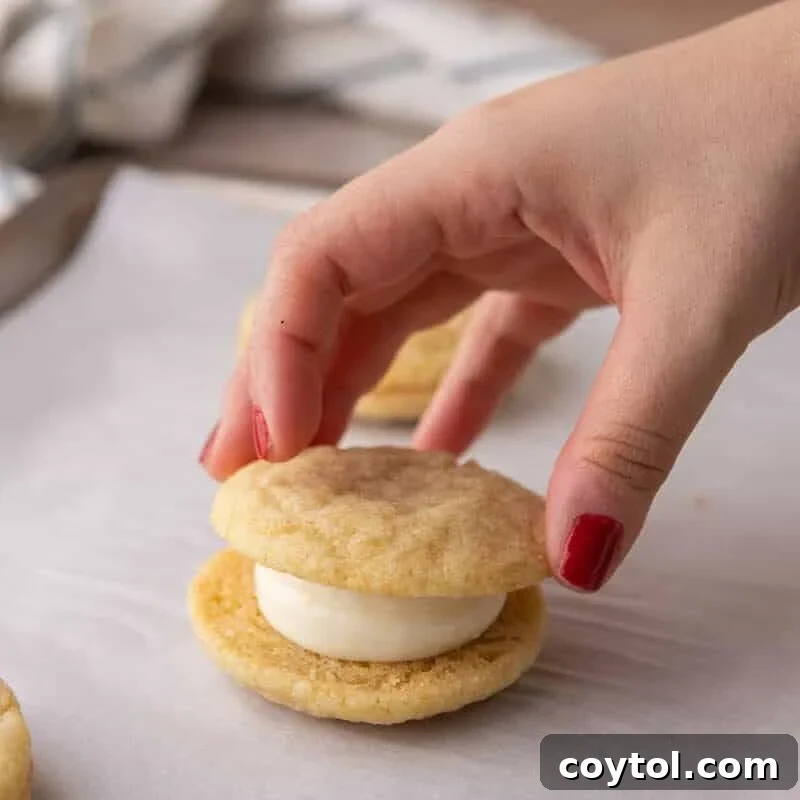
- Cool completely, then assemble sandwiches with the cream cheese lemon frosting and chill again.
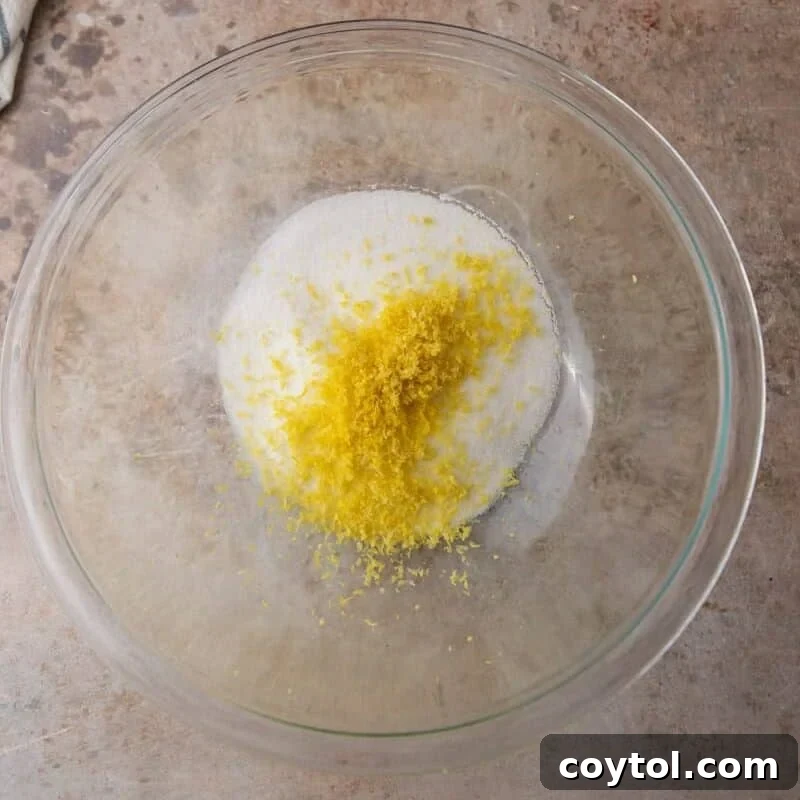
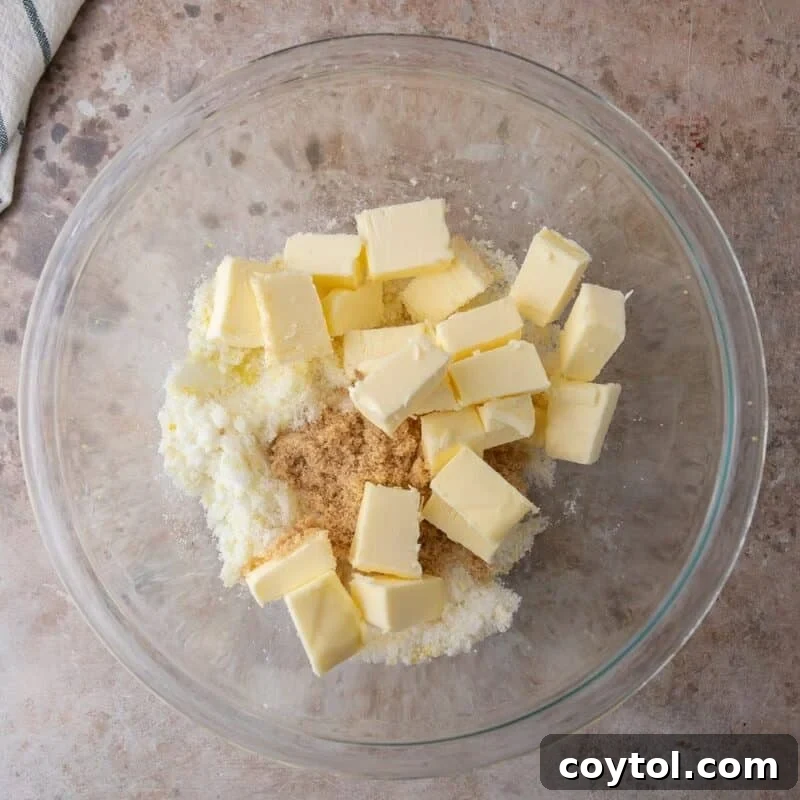
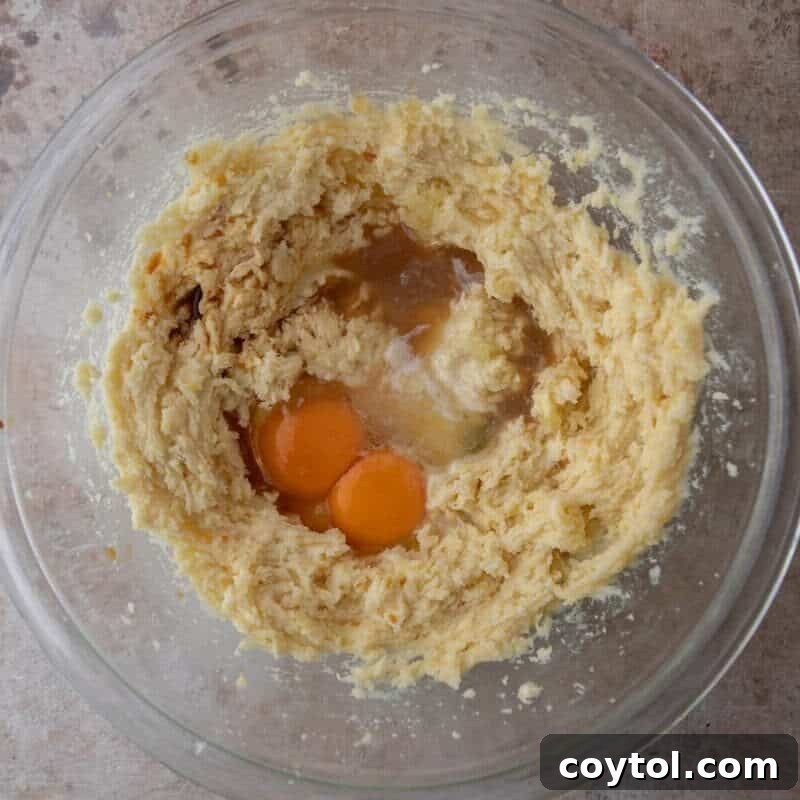
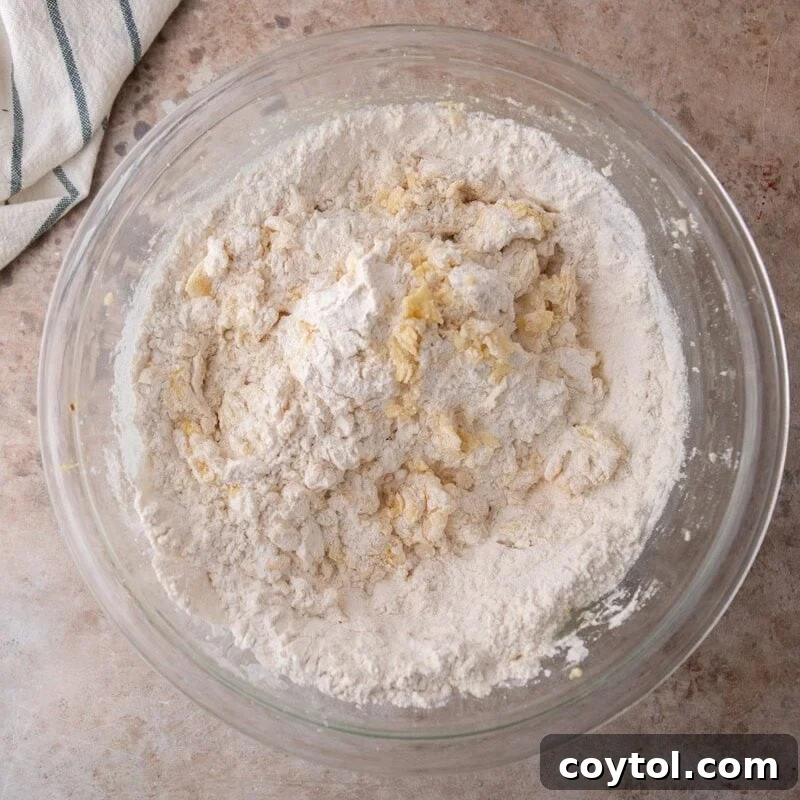
THE CHILLING TRICK THAT MAKES THE BEST COOKIE
Scooping the dough into individual balls before chilling makes the biggest difference. Scoop 1.5-tablespoon balls, place them on a tray, and chill for at least 2 hours or overnight. When ready, roll the chilled balls in granulated sugar and bake. Cookies scooped before chilling spread less and bake taller and more evenly.
If you already chilled the dough as a single mass, you can either scoop and re-chill for 20–30 minutes or bake and use the swish method if they spread too much.
THE SWISH METHOD
If a cookie spreads more than desired, place a larger round cookie cutter, the rim of a mug, or a small bowl over the hot cookie immediately after removing it from the oven and gently swirl. This pushes the edges back toward the center and restores a round, neat shape.
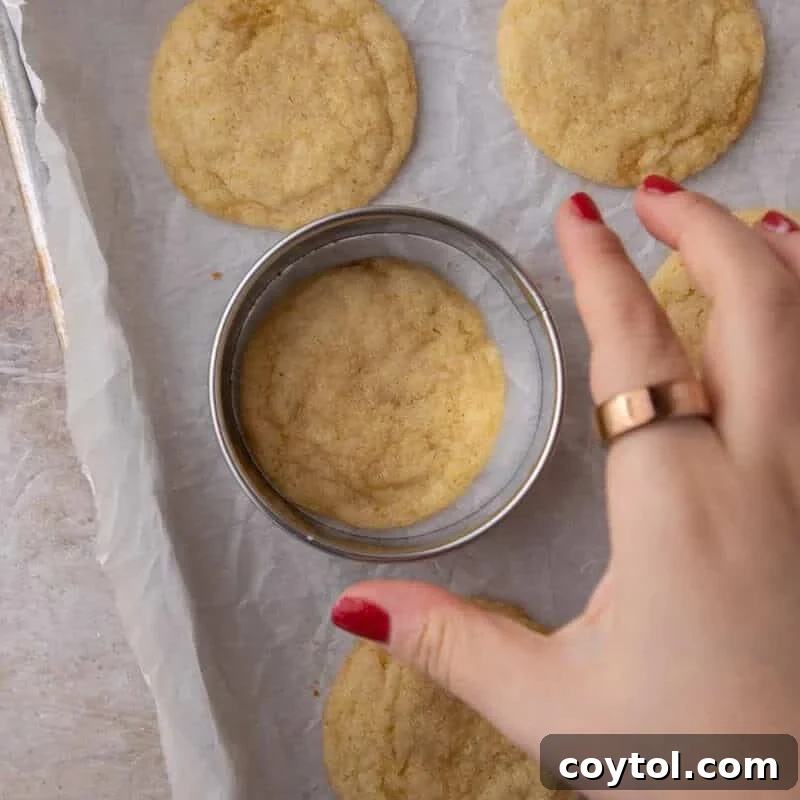
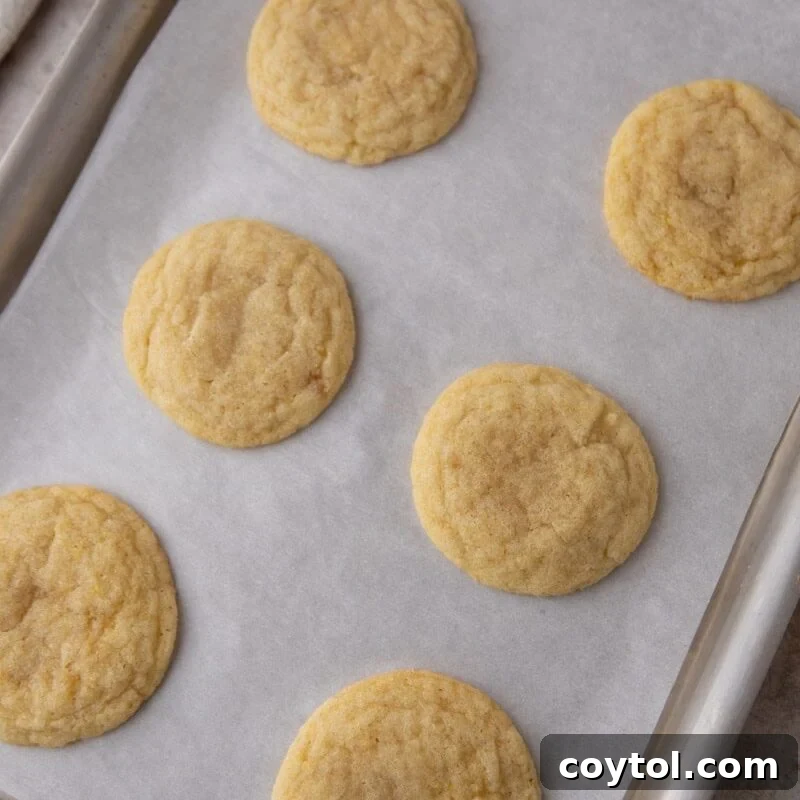
PARCHMENT VS SILICONE MAT
Cookies spread slightly more on parchment than on a silicone mat. I used parchment and found the spread ideal for sandwich cookies. If you bake on a silicone mat expect a slightly tighter, thicker cookie—either surface works; adjust expectations accordingly.
THE CHILL AFTER FILLING (DO NOT SKIP)
After filling and assembling the cookies, refrigerate them for a few hours or overnight. This firms the frosting, helps it adhere to the cookies so it doesn’t ooze, and lets the cookies soften into a bakery-style texture. These are best served cold or slightly softened—pull them out 10 minutes before serving if you prefer a milder chill.
Frequently Asked Questions About These Lemon Sandwich Cookies
Yes. Scoop and chill the dough up to 48 hours in advance or freeze for up to 3 months. The frosting can be made a day ahead and kept refrigerated. Assembled sandwiches benefit from an overnight chill.
You can, but reduce added salt in the dough to ¼ teaspoon. Unsalted European-style butter is recommended for control over seasoning.
Under-chilled dough or chilling the dough as one mass without re-chilling after scooping are common causes. Parchment also permits slightly more spread than silicone. Use the swish method if needed.
Yes. Freeze in a single layer until firm, then transfer to a sealed bag. Thaw overnight in the refrigerator.

Lemon Sandwich Cookies with Cream Cheese Lemon Frosting
Video
Notes
- Two chilling methods: Scoop then chill (recommended) or chill then scoop. Scooping first and chilling yields the thickest, most uniform cookies.
- The swish method: If cookies over-spread, immediately swish a round cutter or mug rim over hot cookies to tighten the edges.
- Chill time is essential: Skipping or shortening chill time will increase spread.
- Plugrà recommended: Use a high-quality European-style unsalted butter for the best flavor and texture.
- Make ahead: Baked cookies keep for up to 3 days before assembling. Scooped dough freezes up to 3 months; bake from frozen and add 1–2 minutes to bake time.
Nutrition
Nutrition information is automatically calculated and should be used as an approximation.