
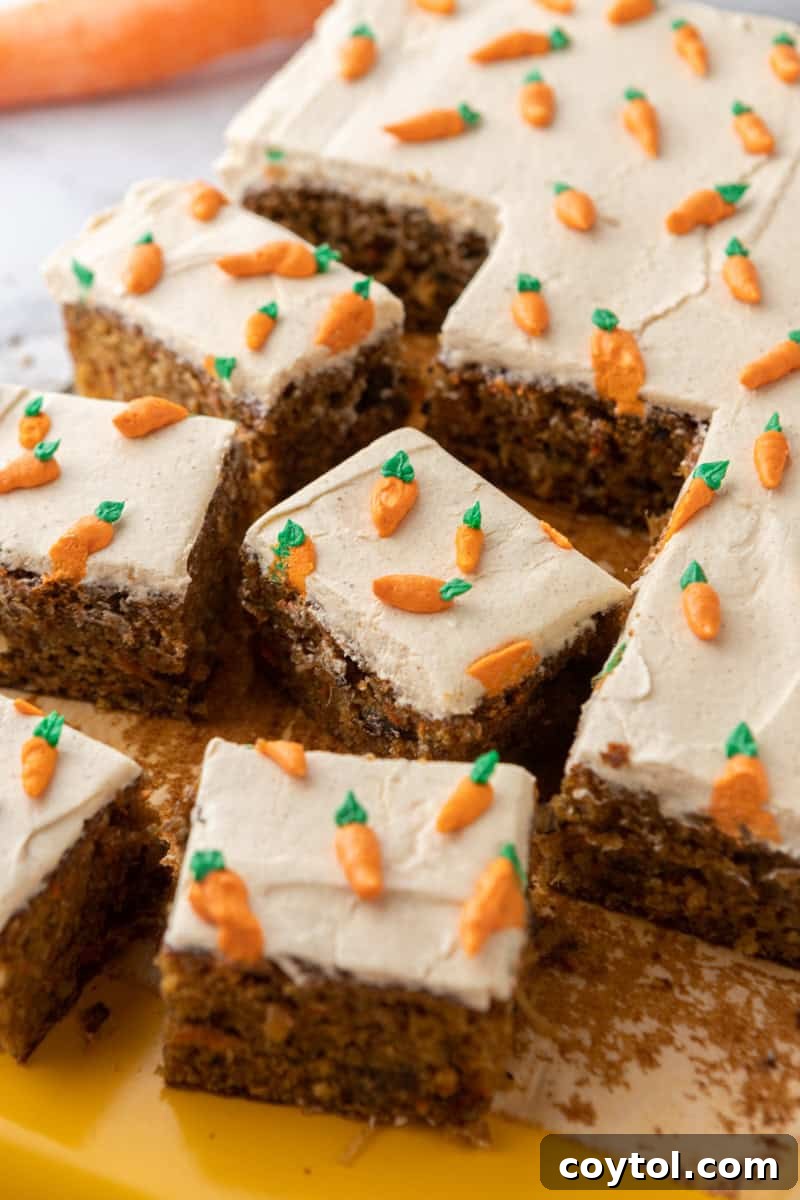
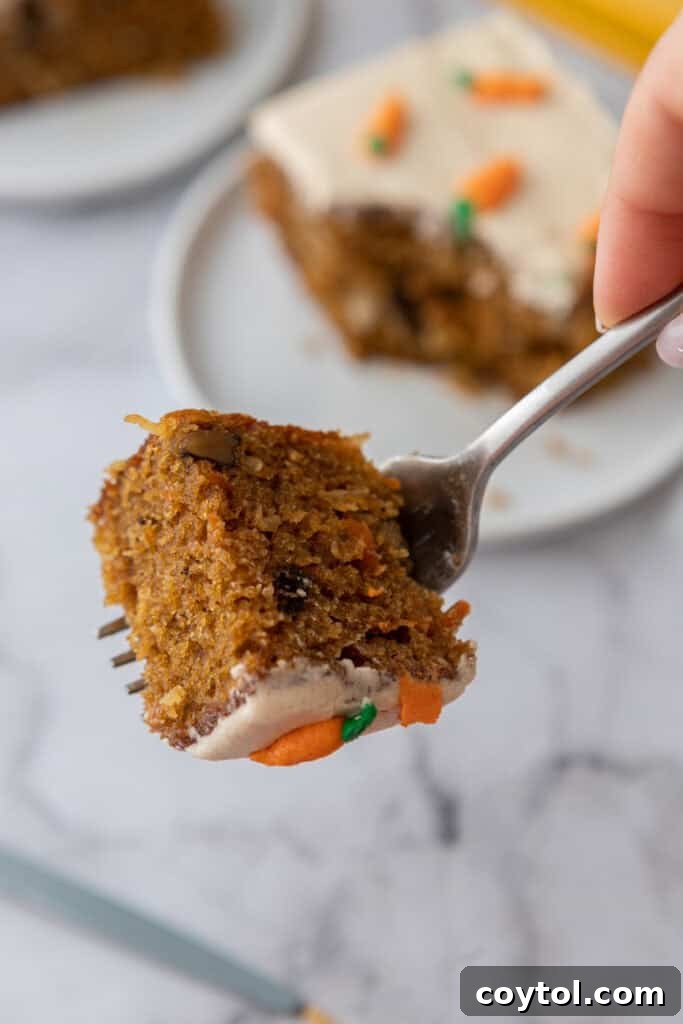
Prepare to elevate your dessert game with the ultimate Carrot Sheet Cake Recipe! This isn’t just any carrot cake; it’s a culinary masterpiece, perfected for special gatherings like Easter dinner, Mother’s Day brunch, or any springtime celebration. Imagine a cake that’s not only incredibly moist and tender but also boasts a light, fluffy crumb. It’s generously packed with finely shredded carrots, crunchy toasted walnuts, and the secret ingredient that takes it over the top: a truly incredible brown butter frosting. This recipe makes enough to graciously feed a crowd, ensuring everyone gets a generous slice of pure bliss.
As an avid baker, I can honestly say this is the finest carrot cake I’ve ever had the pleasure of tasting, let alone baking myself. Many cakes fall into one of two categories: either dense and moist, or light and airy but prone to dryness. This unique recipe defies that norm, achieving a perfect balance of a wonderfully light and fluffy texture, yet bursting with unparalleled moisture and deep, rich flavor. Every bite is a testament to thoughtful ingredient pairing and careful execution, making it a truly exceptional dessert experience.
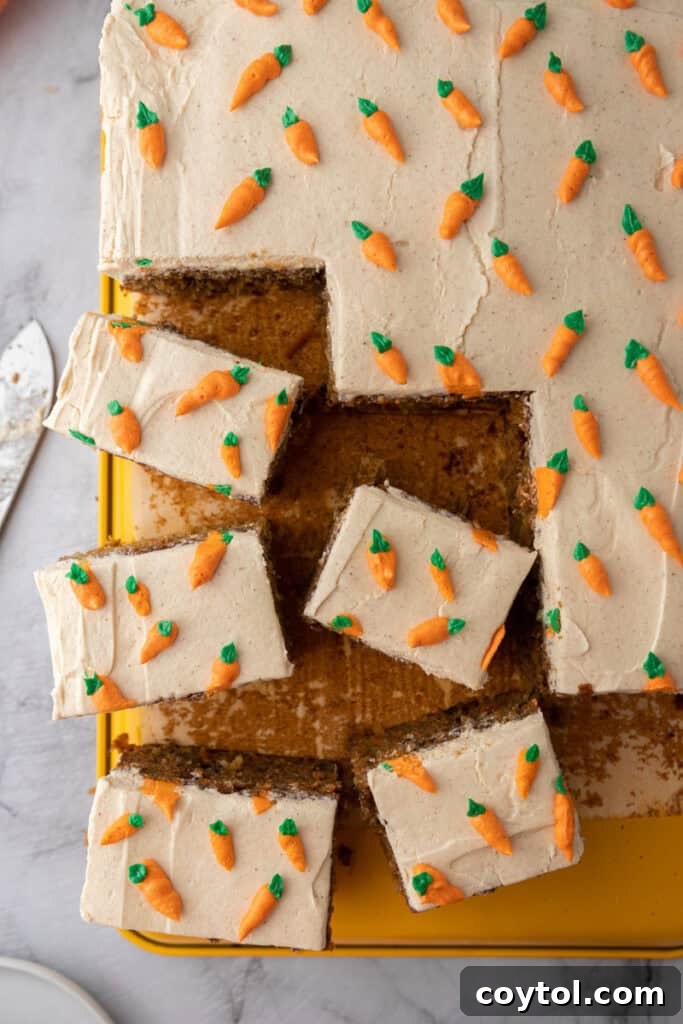
The magic behind this exceptionally moist carrot cake lies in the synergy of its key ingredients. This amazing recipe incorporates a symphony of moisture-contributing elements: fresh, finely shredded carrots, a generous amount of vegetable oil, tangy sour cream, rich dark brown sugar, and the unexpected star – crushed pineapple. These “wet” ingredients, when combined with precisely measured baking powder and baking soda, work in harmony to create a truly remarkable texture. As someone who has spent countless hours perfecting desserts, I confidently assure you that this homemade carrot cake will quickly become a cherished favorite. Be warned, though: mastering this recipe might just earn you the coveted title of “designated Easter brunch dessert baker” for years to come!
If you’re exploring new favorite recipes that tantalize your taste buds, you might also enjoy these other delightful treats. Check out this Crumbl Carrot Cake Cookies Recipe for a bite-sized indulgence, this Quick Carrot Loaf Cake Recipe for a simpler, yet equally delicious option, or these Easter Peanut Butter Eggs for a fun, festive confection.
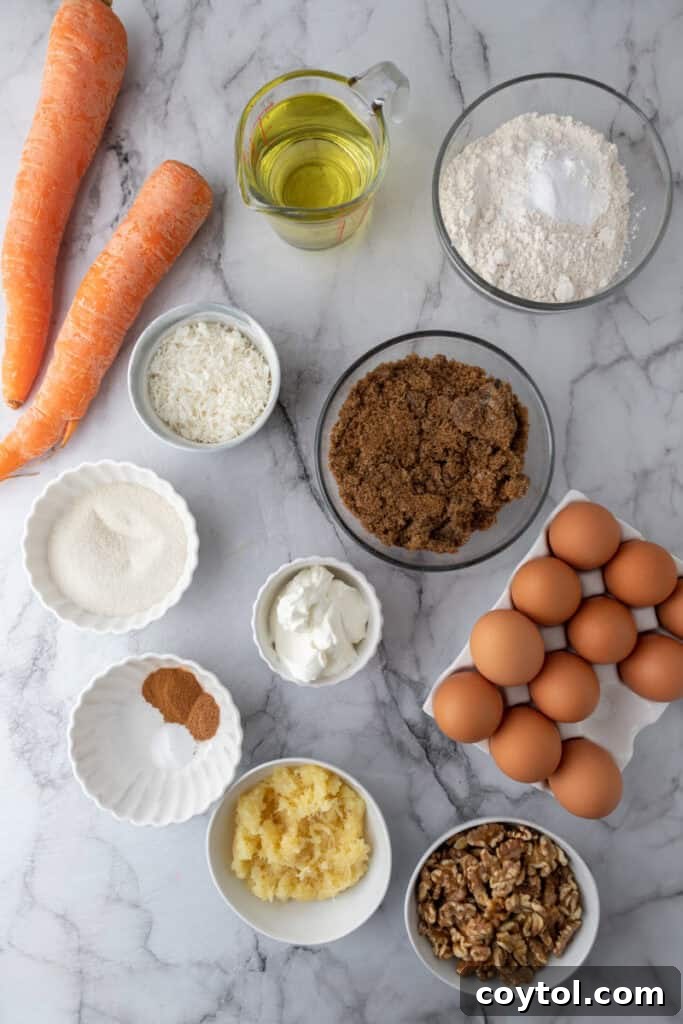
Essential Ingredients for Your Perfect Carrot Sheet Cake
Crafting the perfect carrot sheet cake starts with selecting the right ingredients. Each component plays a vital role in achieving that sought-after moist crumb and rich, spiced flavor profile. Here’s a detailed look at what you’ll need for this easy carrot cake recipe. For precise measurements, please refer to the comprehensive recipe card located at the bottom of this page.
- All-Purpose Flour: This forms the foundational structure of our cake, providing the necessary body and crumb. It ensures the cake has stability while remaining tender.
- Baking Powder and Baking Soda: These leavening agents are crucial for giving the cake its lift, reacting with the acidic ingredients to create air pockets, ensuring it’s beautifully light and fluffy, not dense.
- Ground Cinnamon and Nutmeg: These warm, aromatic spices are quintessential to carrot cake, infusing it with that classic, comforting flavor that everyone loves. They are the heart of the cake’s signature taste.
- Salt: A pinch of salt is essential! It doesn’t just add flavor; it balances the sweetness of the sugars and enhances all the natural flavors within the cake, making them pop and preventing the cake from tasting bland.
- Vegetable Oil: The key to an incredibly moist and tender cake. Unlike butter, oil remains liquid at room temperature, contributing to a softer texture that lasts longer and keeps the cake fresh for days. You can use any neutral-flavored oil like canola, sunflower, or grapeseed oil.
- Dark Brown Sugar: This isn’t just for sweetness; dark brown sugar brings a deep, molasses-rich flavor and significant moisture, contributing to the cake’s tender crumb and a beautiful golden color.
- Granulated Sugar: Works alongside brown sugar to ensure the cake is perfectly sweet, adding another layer of depth to the overall flavor without making it overly rich.
- Large Eggs: Eggs act as binders, holding all the ingredients together, and contribute to the cake’s structure, richness, and help with leavening. Ensure they are at room temperature for better emulsion with other ingredients and a smoother batter.
- Pure Vanilla Extract: A staple in baking, vanilla extract adds a sweet, fragrant note that beautifully enhances and complements the warm spices in the cake, creating a more complex flavor profile.
- Fresh Carrots: The star of the show! Freshly grated carrots not only provide natural sweetness but are also a significant source of moisture, keeping the cake tender and preventing it from drying out. Always grate them yourself for the best texture and flavor.
- Sour Cream: This ingredient adds a delightful tang and a creamy richness to the batter. Its acidity also helps activate the baking soda, contributing to a lighter cake. Ensure it’s at room temperature for optimal mixing.
- Crushed Pineapple: Often considered the secret ingredient, well-drained crushed pineapple is a powerhouse of moisture, ensuring an exceptionally soft and tender crumb. Don’t skip this step – it makes a noticeable difference in the cake’s luscious texture!
- Chopped Pecans or Walnuts: (Optional) For those who love a textural contrast, toasted chopped pecans or walnuts add a wonderful crunch that complements the soft cake crumb beautifully, providing a delightful surprise in every bite.
- Shredded Coconut (optional): If you enjoy a hint of tropical flavor and extra texture, shredded coconut pairs perfectly with the pineapple and warm spices, adding another layer of complexity to this already fantastic cake.
For the Decadent Brown Butter Frosting:
While a classic cream cheese frosting is always an option, this brown butter frosting takes our carrot sheet cake to an unparalleled level of flavor and sophistication. The nutty aroma and caramelized notes of brown butter perfectly complement the cake’s warm spices, creating an irresistible topping.
- Unsalted Butter (browned): Browning the butter creates a rich, nutty, and complex flavor profile that transforms a simple buttercream into something extraordinary. This needs to be browned and then chilled until semi-solid to incorporate properly into the frosting.
- Unsalted Butter (softened): Used alongside the browned butter, softened butter provides the classic creamy base for our frosting, ensuring a smooth and spreadable consistency that’s easy to work with.
- Powdered Sugar (sifted): Essential for a smooth, lump-free frosting. Sifting prevents any grittiness and allows for seamless incorporation, resulting in a velvety finish.
- Vanilla Extract: Enhances the overall sweetness and complements the nutty notes of the brown butter, adding a fragrant depth to the frosting.
- Salt: Crucial for balancing the sweetness of the powdered sugar and enhancing the depth of flavor in the frosting, preventing it from being overly sweet.
- Heavy Cream: Added gradually, heavy cream helps achieve the perfect light, fluffy, and spreadable consistency for your buttercream. It allows you to adjust the thickness to your preference.
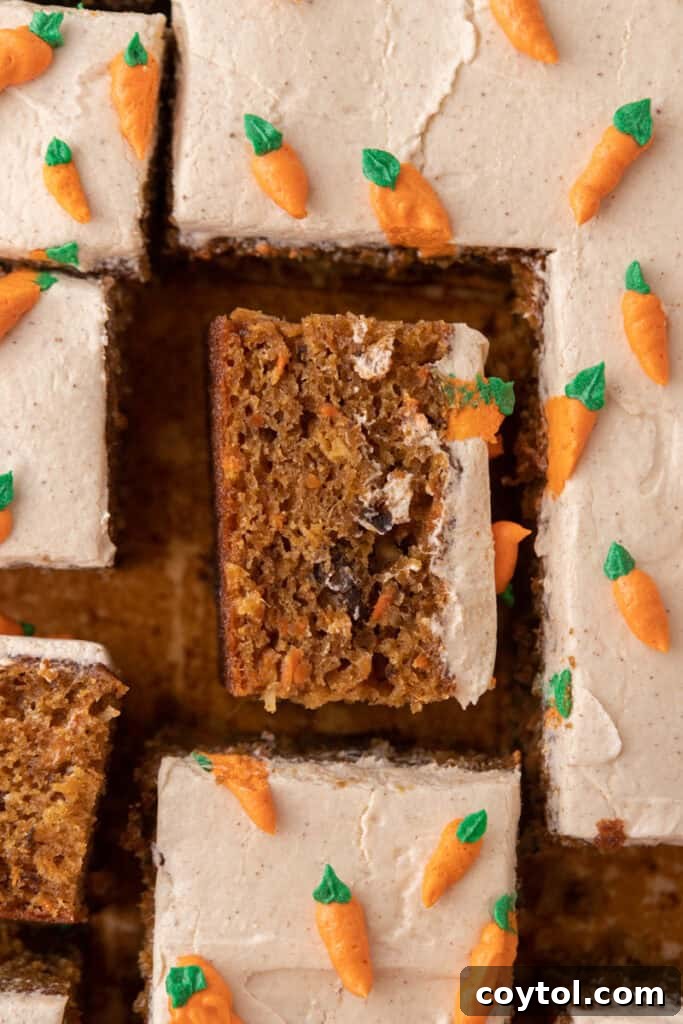
Crafting Your Delicious Carrot Sheet Cake: A Step-by-Step Guide
Follow these detailed instructions to create this remarkably moist and flavorful carrot sheet cake. The key to success lies in careful preparation and gentle handling of the batter. For precise oven temperatures, exact bake times, and a full, printable step-by-step guide, please refer to the comprehensive recipe card at the very end of this post.
First, Prepare Your Brown Butter (for the Frosting):
- In a light-colored saucepan, melt 3/4 cup of unsalted butter over medium heat. Continue cooking, stirring occasionally, until the butter turns a rich golden-brown color and releases a fragrant, nutty aroma. Watch it carefully to prevent burning! Immediately transfer the browned butter to a heatproof bowl and chill it in the refrigerator until it solidifies but remains soft, which usually takes about an hour. This step is vital for the unique flavor of the frosting.
Now, Let’s Bake the Carrot Cake:
- Prepare Your Pan: Preheat your oven to 350°F (175°C). Lightly grease and flour a 9×13-inch baking pan to prevent sticking. Alternatively, line it with parchment paper, leaving an overhang on the sides, for effortlessly easy cleanup after baking.
- Combine Dry Ingredients: In a medium-sized bowl, whisk together the all-purpose flour, baking powder, baking soda, ground cinnamon, ground nutmeg, and salt. Whisk until all ingredients are thoroughly combined and no lumps remain. This ensures even distribution of leavening and spices. Set this mixture aside.
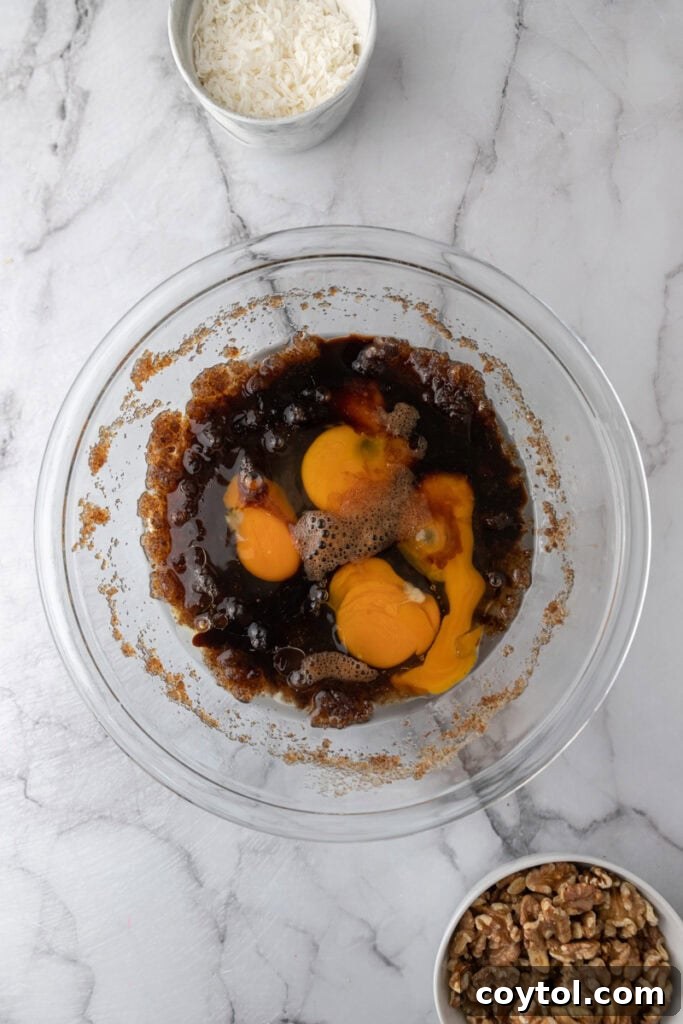
- Mix Wet Ingredients (Sugars & Oil): In a separate large bowl, combine the vegetable oil with both the dark brown sugar and granulated sugar. Whisk vigorously until the mixture is smooth, well blended, and the sugars begin to dissolve. This creates a moist foundation for the cake.
- Incorporate Eggs & Vanilla: Add the large room-temperature eggs, one at a time, to the sugar and oil mixture, whisking well after each addition until fully incorporated. Stir in the pure vanilla extract. This ensures a uniform and rich base for your cake and helps with emulsification.
- Add Moisture Boosters: Next, gently stir in the freshly grated carrots, room-temperature sour cream, and the well-drained crushed pineapple. Ensure the pineapple is thoroughly drained to prevent excess moisture from making the batter too wet, which could lead to a gummy texture.
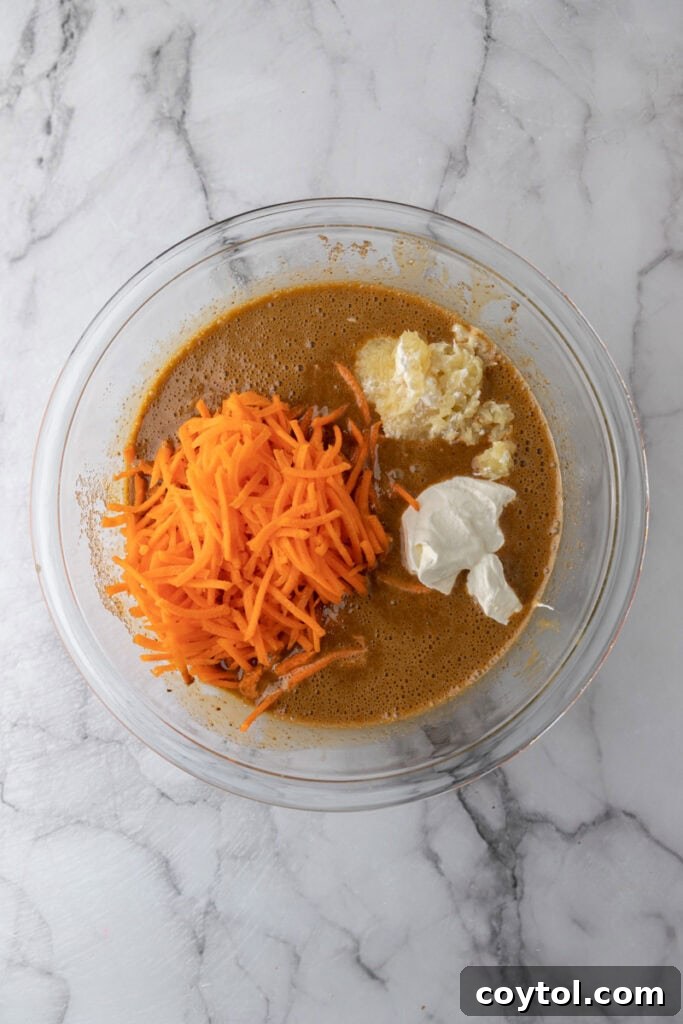
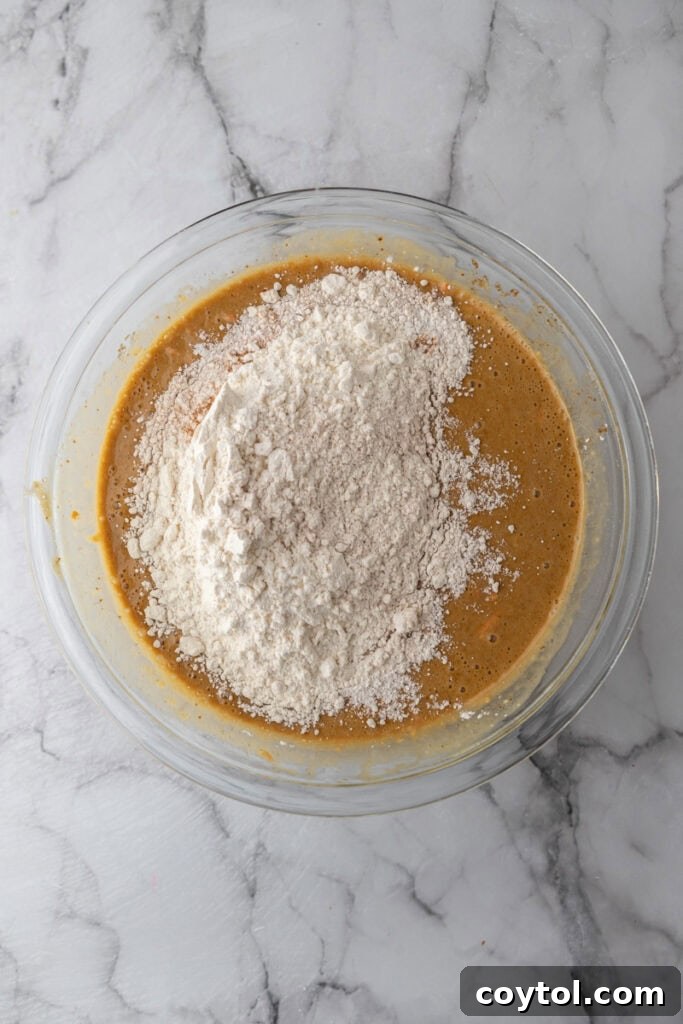
- Combine Wet and Dry: Gradually add the dry ingredient mixture to the wet mixture. Stir gently with a whisk or a rubber spatula just until everything comes together and no streaks of flour are visible. Be very careful not to overmix the batter, as this can lead to a tough, dense cake. If you’re including nuts and coconut, gently fold them in at this stage to evenly distribute them without overworking the batter.
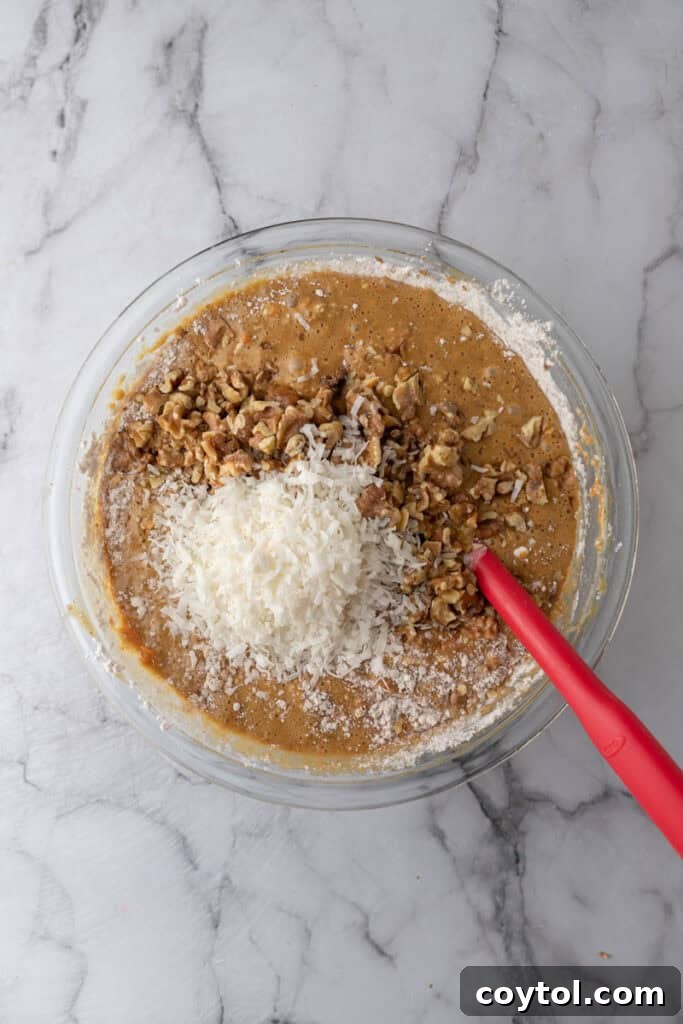
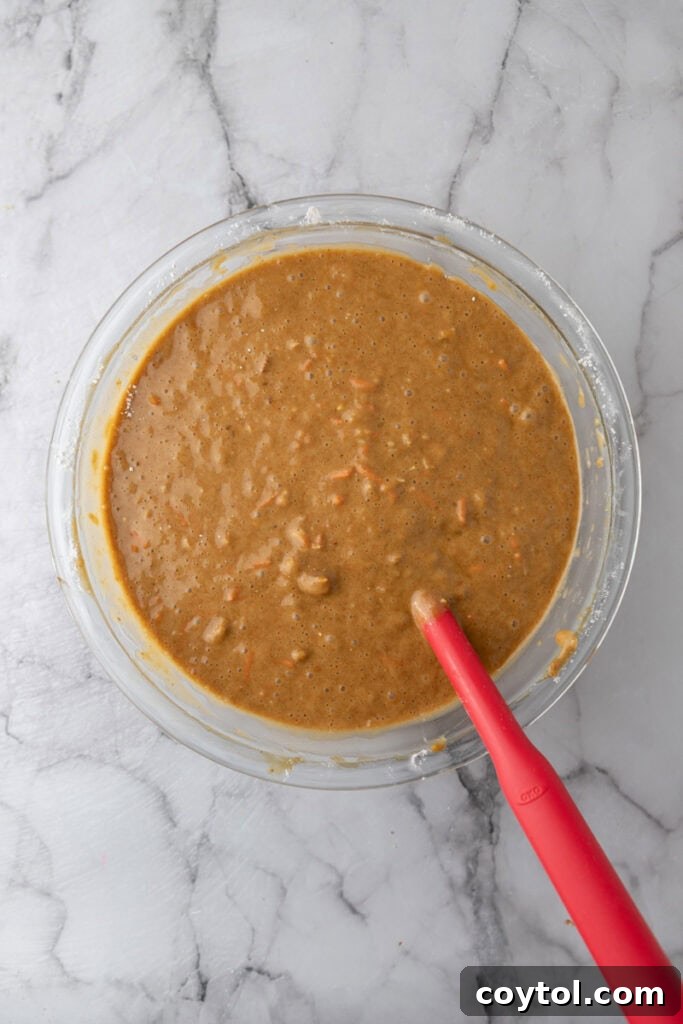
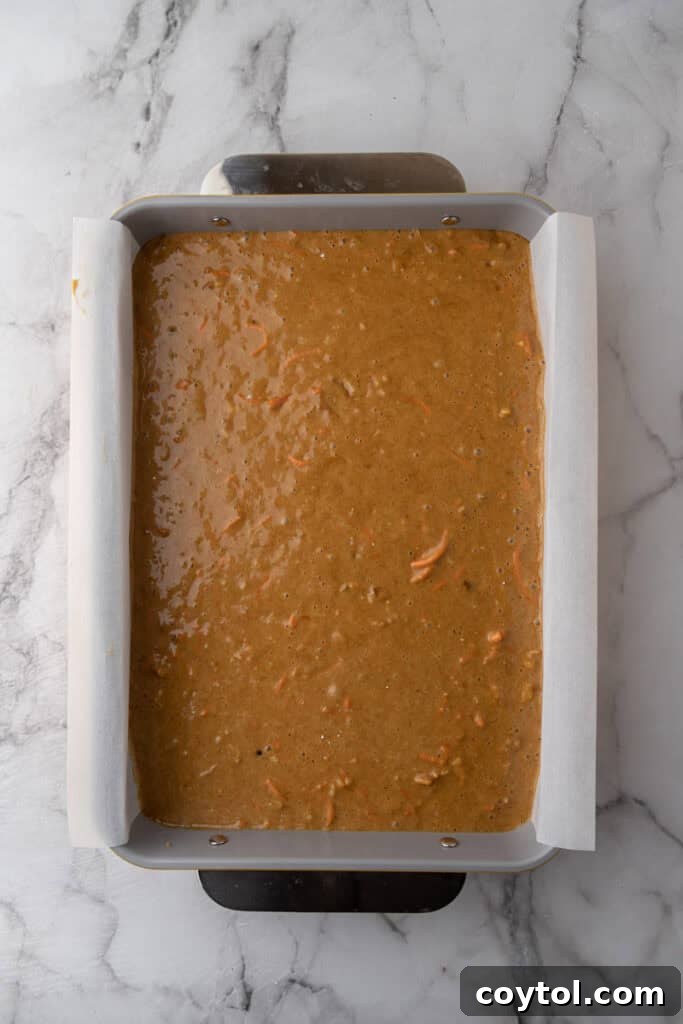
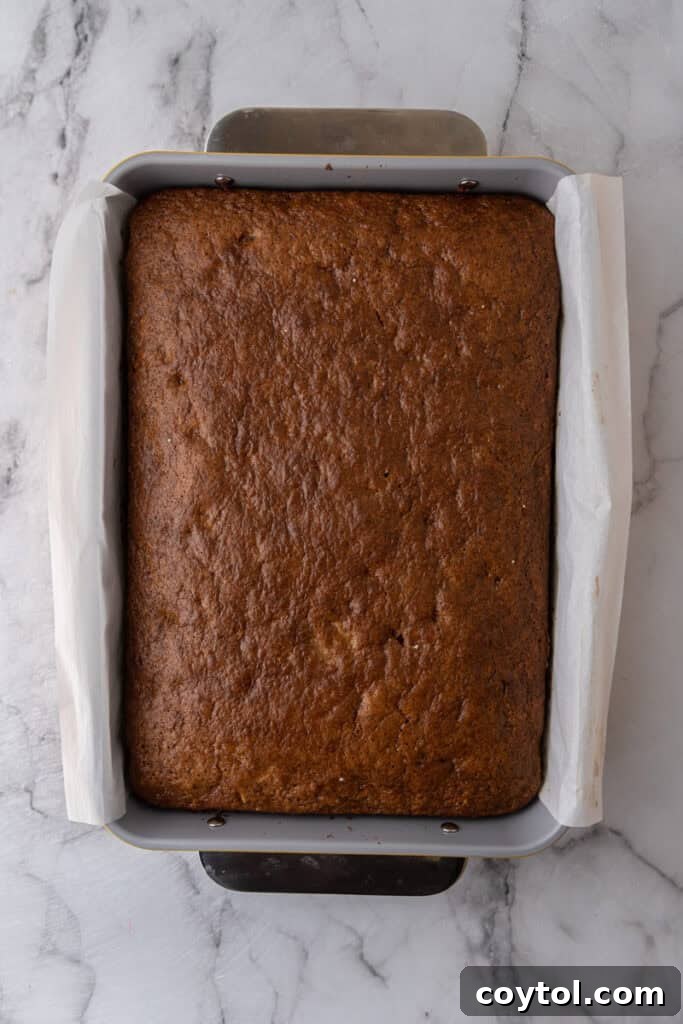
- Bake to Perfection: Pour the prepared batter into your greased and floured baking pan, smoothing it out into an even layer with a spatula. Bake for approximately 28-30 minutes, or until a wooden skewer or toothpick inserted into the center of the cake comes out mostly clean, with just a few moist crumbs clinging to it. The top of the cake should be beautifully golden brown and spring back when lightly touched.
- Cool Completely: This is a crucial step! Allow the carrot cake to cool completely to room temperature within the sheet pan before attempting to frost it. Rushing this step will result in your luscious brown butter frosting (or any cream cheese frosting) melting and sliding off, creating a messy rather than magnificent dessert. Patience here will be rewarded, yielding a beautifully frosted cake!
Time for the Brown Butter Frosting:
- Whip the Butter: In the bowl of a stand mixer fitted with a flat beater attachment (or a large bowl with a hand mixer), beat the solidified brown butter together with the softened regular unsalted butter until the mixture is light, creamy, and well combined. This ensures a smooth base for your frosting.
- Add Remaining Ingredients: Gradually add the sifted powdered sugar, pure vanilla extract, and salt to the butter mixture. Beat on low speed until combined, then increase to medium-high and beat until light and fluffy. Make sure to scrape down the sides of the bowl periodically.
- Achieve Perfect Consistency: With the mixer running on low, slowly drizzle in 5-6 tablespoons of cold heavy cream, one tablespoon at a time, until your frosting reaches the ideal fluffy and spreadable consistency. Be careful not to add too much; you want it rich and firm enough to hold its shape beautifully.
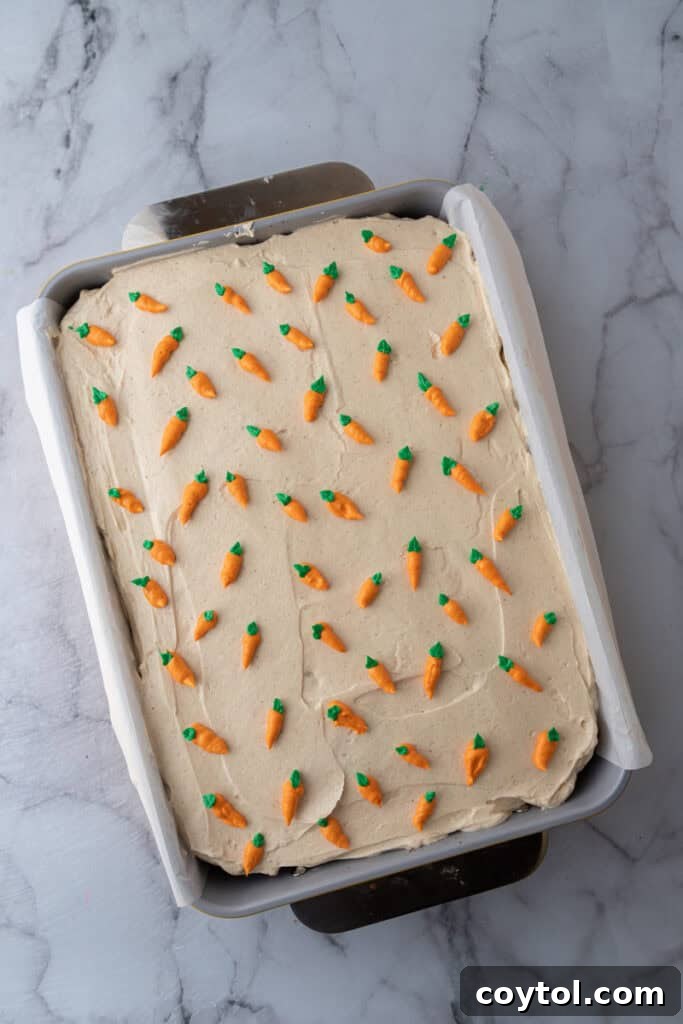
- Frost the Cake: Once your carrot cake is completely cool, generously spread the decadent brown butter frosting evenly over the top using an offset spatula or the back of a spoon. Aim for a smooth, inviting layer that covers the entire surface.
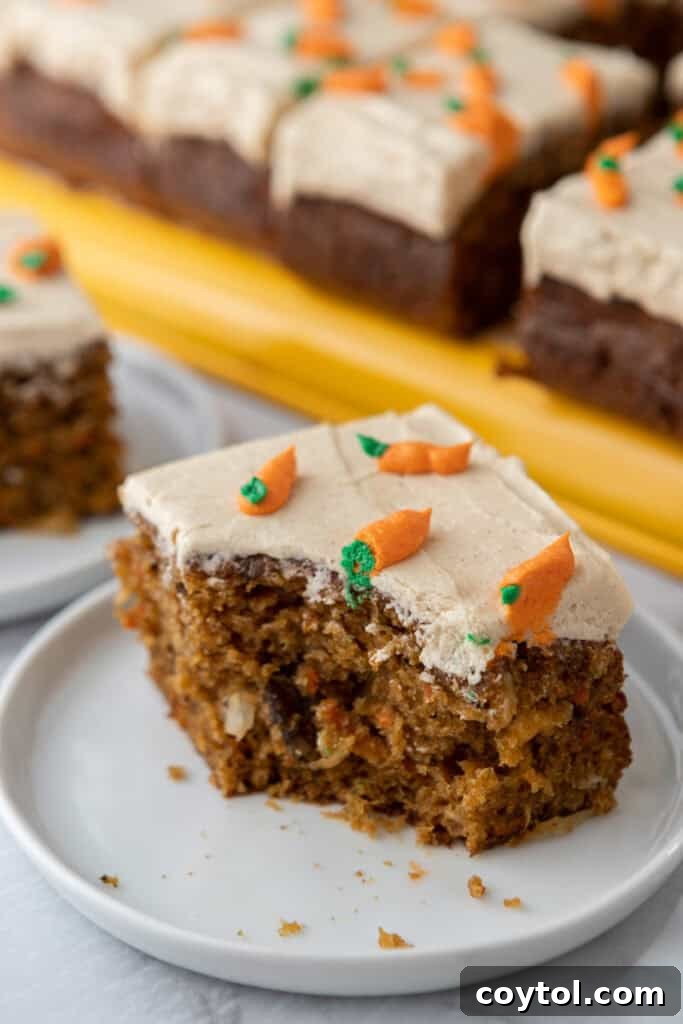
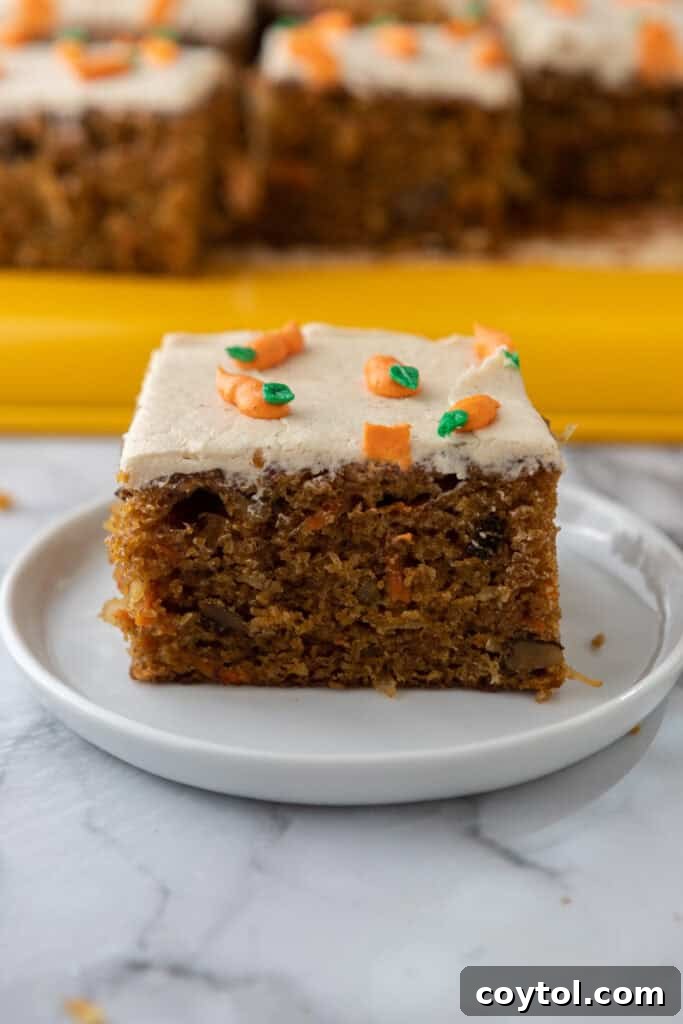
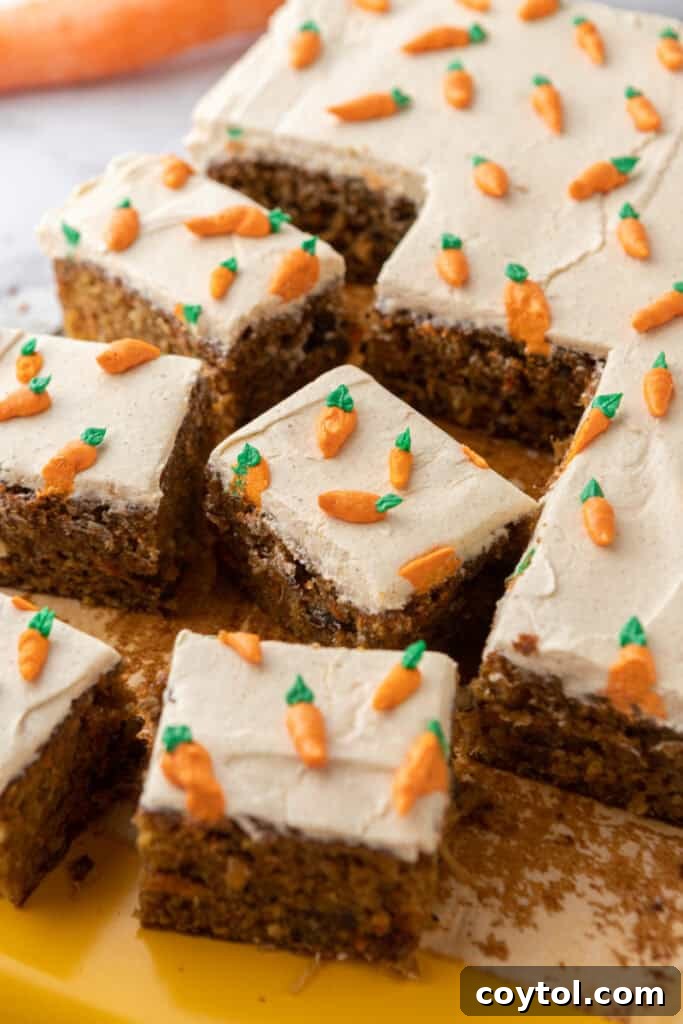
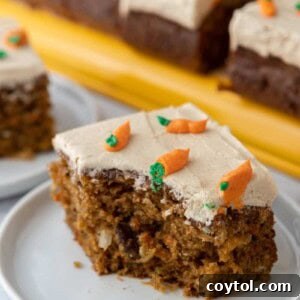
- Optional Decorative Touch: For an extra festive and charming finish, set aside about 2-4 tablespoons of frosting before adding it to the cake. Tint a small portion orange with gel food coloring for the carrot bodies and a tiny bit green for the leaves. Using a small round piping tip for the carrots and a mini leaf piping tip for the greens, pipe adorable little carrots all over the frosted cake. This delightful detail makes the cake even more appealing for Easter or spring gatherings!
Expert Tips & Tricks for Carrot Cake Perfection
- Drain Pineapple Thoroughly: This tip cannot be emphasized enough! Excess liquid from the crushed pineapple will make your batter too wet, leading to a gummy cake that lacks the desired light texture. To properly drain, place the pineapple in a fine-mesh sieve set over a bowl or cup. Use the back of a spoon or a spatula to press down firmly, extracting as much juice as possible. This ensures optimal moisture without compromising the cake’s structure.
- Toast Nuts and Coconut: If you’re incorporating pecans, walnuts, or shredded coconut, take a few extra minutes to toast them lightly before adding them to the batter. Simply spread them in a single layer on a baking sheet and toast in a preheated oven at 300°F (150°C) for 5-7 minutes, or gently toast them in a dry skillet over medium-low heat until fragrant. This simple step significantly enhances their flavor, adds a deeper nuttiness, and provides a delightful crunch to your cake. Allow them to cool completely before folding into the batter.
- Measure Ingredients Accurately: Precision is paramount in baking. While measuring cups are common, using a kitchen scale to weigh your dry ingredients, especially flour, will yield much more consistent and accurate results. Different measuring techniques can pack flour more or less densely, affecting the final texture of your cake. This small effort makes a big difference in consistency.
- Room Temperature Ingredients: Always ensure your cold ingredients, such as eggs and sour cream, are brought to room temperature before mixing. Room temperature ingredients emulsify more easily, creating a smoother, more uniform batter and a finer, more tender crumb in your finished cake. Set them out on the counter about 30-60 minutes before you start baking.
- Avoid Overmixing: Once you add the dry ingredients to the wet, mix only until just combined and no streaks of flour are visible. Overmixing develops the gluten in the flour, which can result in a tough, chewy, and dense cake. For this recipe, I highly recommend mixing by hand with a whisk or rubber spatula to better control the mixing process and prevent over-agitation. However, for the frosting, a stand mixer is perfect for achieving that light and fluffy consistency.
- Freshly Grated Carrots are Best: While pre-shredded carrots from the grocery store might seem convenient, they tend to be drier, thicker, and coarser, which can affect both the moisture and texture of your cake. Freshly grating your own carrots ensures maximum moisture, a delicate texture that blends seamlessly into the batter, and superior flavor.
- Cool the Cake Completely: This bears repeating! Attempting to frost a warm or even slightly warm cake will lead to a melty, runny disaster where your frosting slides right off. The cake must be thoroughly cooled to room temperature, which can take a couple of hours, for the frosting to adhere properly and maintain its beautiful texture.
- Use Quality Spices: The warm, inviting aroma of carrot cake comes from its spices. Ensure your ground cinnamon and nutmeg are fresh and high-quality for the best flavor impact. Old, stale spices will diminish the overall taste of your cake.
Why This Will Be Your Go-To Carrot Sheet Cake Recipe
There are countless reasons why this easy carrot sheet cake recipe deserves a permanent spot in your baking repertoire. It’s more than just a dessert; it’s an experience waiting to happen:
- Perfect for Any Occasion: Its generous size and universally loved flavor make it the ideal dessert for feeding a crowd at special events. From festive Easter gatherings and elegant Mother’s Day brunches to vibrant springtime birthdays and casual family get-togethers, this cake always impresses and garners compliments.
- Simple, Wholesome Ingredients: You won’t need to hunt for obscure items. This recipe relies on simple, fresh ingredients readily available at any local grocery store. This makes it accessible for bakers of all skill levels, from beginners to seasoned pros.
- Unmatched Flavor and Texture: The unique combination of classic spices, fresh carrots, and a touch of crushed pineapple creates an extraordinary balance of flavor and an incredibly moist, yet light, texture that truly stands apart from other carrot cakes. The brown butter frosting adds an irresistible depth that elevates every bite to pure indulgence.
- A Guaranteed Crowd-Pleaser: Based on personal experience, this isn’t just one of my favorite cakes I’ve ever made; it consistently receives rave reviews from everyone who tries it. I confidently guarantee it will become one of your absolute favorites too! It’s the kind of cake that generates recipe requests and fond memories long after the last slice is gone.
- Visually Stunning: With its golden-brown crust, speckles of vibrant orange carrot, and a luscious layer of brown butter frosting, this sheet cake is as beautiful to behold as it is delicious to eat. Optional decorative piping turns it into a true centerpiece that will impress your guests.
- Great for Make-Ahead: This cake actually tastes better the next day, making it perfect for preparing in advance for your events. This reduces stress on the day of your gathering, allowing flavors to deepen and meld beautifully.
Frequently Asked Questions (FAQ) about Carrot Sheet Cake
Here are answers to some common questions you might have when baking this delightful carrot sheet cake:
Can I use pre-shredded carrots for this recipe?
While convenient, I generally do not recommend using pre-shredded carrots for the best results. Pre-shredded carrots tend to be drier, thicker, and often lack the vibrant flavor and moisture that freshly grated carrots impart. The difference in moisture content can subtly alter the cake’s final texture, potentially making it less moist than intended. However, if you are truly short on time or fresh carrots are unavailable, bagged and pre-shredded carrots can be used in a pinch, but be aware the cake might be slightly less moist and flavorful. Aim for the finest shred you can find if using pre-shredded.
Can I use this carrot cake batter for carrot cupcakes or a layer cake?
Absolutely! This versatile carrot cake batter works beautifully for both cupcakes and layer cakes with minor adjustments. For carrot cake cupcakes, simply divide the batter among 24 standard cupcake liners, filling each about two-thirds full. Bake them at 350°F (175°C) for approximately 18-24 minutes, or until a toothpick inserted into the center comes out clean. For a stunning two-layer cake, divide the batter evenly between two greased and floured 8-inch round cake pans. Bake until a toothpick inserted into the center of each layer comes out clean. Baking times will vary depending on your oven and pan size, so keep a close eye on them, starting to check around 25-30 minutes for layer cakes.
How do I store my leftover carrot cake sheet cake?
To keep your delicious carrot cake fresh, place any leftover slices in an airtight container and store them in the refrigerator. The cake, especially with a cream cheese or butter-based frosting, will remain wonderfully moist and flavorful for at least 3 to 4 days. If you wish to extend its shelf life, you can freeze individual slices. Wrap each slice tightly in plastic wrap, then place them in a freezer-safe bag or container. They will keep well in the freezer for about one to two months without significant loss of quality. Thaw frozen slices in the refrigerator overnight or at room temperature for a few hours before serving.
Can I make this cake ahead of time?
Yes, absolutely! Making this carrot cake ahead of time is actually a fantastic idea. Carrot cakes, much like many spiced cakes, often taste even better the day after they’re baked, as the warm spices and flavors have more time to meld and deepen. Simply bake and frost the cake as directed, then cover it tightly with plastic wrap or aluminum foil and store it in the refrigerator. Take it out about an hour before serving to allow the frosting to soften slightly and the cake to come to a more enjoyable temperature.
Can I make this recipe gluten-free?
You can certainly attempt to make this recipe gluten-free. The best approach is to substitute the all-purpose flour with a high-quality 1:1 gluten-free all-purpose flour blend. Brands like Bob’s Red Mill Gluten-Free 1-to-1 Baking Flour or King Arthur Gluten-Free Measure for Measure Flour are generally reliable choices for such substitutions. While the cake should still turn out delicious, please be aware that the texture might differ slightly from the original, as gluten-free flours can absorb liquids differently and may result in a slightly denser or more crumbly cake. Some experimentation may be needed to achieve your desired consistency.
What kind of frosting should I use?
For this specific recipe, I’ve highlighted a rich and nutty brown butter frosting, which perfectly complements the cake’s warm spices and unique moisture. Its caramelized notes add a sophisticated depth. However, if you prefer a more traditional touch, a classic cream cheese frosting is always an excellent and popular choice for carrot cake. Its tangy sweetness provides a wonderful contrast to the spiced cake. You could also explore a simple vanilla buttercream or even a citrus-flavored glaze if you desire a less intense flavor or a lighter topping.
Common Carrot Cake Mistakes to Avoid
To ensure your carrot cake is nothing short of perfection, here are a few common pitfalls to steer clear of:
- Undrained Pineapple: As mentioned, this is a big one! Don’t let excess moisture from the pineapple dilute your batter, which can lead to a heavy, wet cake instead of a light, moist one.
- Overmixing the Batter: This is a cardinal sin in baking. Overmixing develops gluten, leading to a tough, chewy, and dry cake. Mix just until the ingredients are combined – a few lumps are fine!
- Cold Ingredients: Using cold eggs and sour cream can result in a lumpy batter and a less emulsified, less tender cake. Always bring them to room temperature for the best results.
- Improper Pan Preparation: A sticky cake is a sad cake. Always grease and flour your pan thoroughly, or use parchment paper, especially for sheet cakes, to ensure easy release.
- Cutting While Warm: The cake needs to cool completely to set properly and prevent crumbling, especially when frosting. Patience is key for clean slices and beautifully spread frosting.
- Stale Spices: Old spices lose their potency and flavor. Ensure your ground cinnamon and nutmeg are fresh to truly capture that classic carrot cake aroma and taste.
Carrot Sheet Cake Recipe with Brown Butter Frosting
30
30
1
18 servings
Print Recipe
Equipment
Ingredients
Cake Ingredients
- 2 cups all-purpose flour
- 1 teaspoon baking powder
- 1 teaspoon baking soda
- 1 & 1/2 teaspoon ground cinnamon
- 1/2 teaspoon ground nutmeg
- 1/2 teaspoon salt
- 1 cup vegetable oil
- 1 1/4 cups brown sugar packed (dark brown is best)
- 1/2 cup granulated sugar
- 4 large eggs at room temperature
- 2 teaspoons pure vanilla extract
- 2 cups grated carrots freshly grated
- 1/2 cup sour cream at room temperature
- 1/2 cup crushed pineapple drained well
- 1 cup chopped pecans or walnuts toasted, optional
- 1/2 cup shredded coconut optional
Brown Butter Frosting Ingredients
- 3/4 cup unsalted butter browned
- 1/4 cup unsalted butter softened
- 3 cup powdered sugar sifted
- 1 teaspoon vanilla extract
- 1/4 teaspoon salt
- 5-6 tablespoons heavy cream
Green and Orange Gel Food Coloring
Instructions
Brown Butter Preparation
-
In a saucepan, melt 3/4 cup of unsalted butter over medium heat. Cook until golden brown and nutty-smelling, stirring occasionally. Transfer to a bowl and chill until solid but soft (about 1 hour).3/4 cup unsalted butter
Cake Recipe
-
Preheat your oven to 350°F (175°C). Grease and flour a 9×13-inch baking pan or line with parchment paper for easy cleanup.
-
In a medium bowl, whisk together the flour, baking powder, baking soda, cinnamon, nutmeg, and salt. Set aside.2 cups all-purpose flour, 1 teaspoon baking powder, 1 teaspoon baking soda, 1 & 1/2 teaspoon ground cinnamon, 1/2 teaspoon ground nutmeg, 1/2 teaspoon salt
-
In a large bowl, whisk together the vegetable oil, brown sugar, and granulated sugar until smooth. Add the eggs and the vanilla extract and mix well to combine.1 cup vegetable oil, 1 1/4 cups brown sugar, 1/2 cup granulated sugar, 4 large eggs, 2 teaspoons pure vanilla extract
-
Stir in the grated carrots, sour cream, and crushed pineapple (drained well).2 cups grated carrots, 1/2 cup sour cream, 1/2 cup crushed pineapple
-
Gradually mix the dry ingredients into the wet mixture, stirring until just combined. Be careful not to overmix. Fold in nuts and coconut if using.1 cup chopped pecans or walnuts, 1/2 cup shredded coconut
-
Pour the batter into your prepared pan and spread it evenly. Bake for 28-30 minutes, or until a toothpick inserted into the center comes out clean (with a few moist crumbs). The cake should be golden brown and spring back lightly when touched.
-
Let the cake cool completely to room temperature before frosting with your brown butter frosting. This is essential for a beautiful, non-melting frosting.
Brown Butter Frosting Recipe
-
Beat the solidified browned butter with the softened butter in a stand mixer fitted with a flat beater until creamy. Gradually add the sifted powdered sugar, vanilla, and salt.1/4 cup unsalted butter, 3 cup powdered sugar, 1 teaspoon vanilla extract, 1/4 teaspoon salt
-
Mix in 5–6 tablespoons of cold heavy cream, 1 tablespoon at a time, until the frosting is fluffy and spreadable to your desired consistency.5-6 tablespoons heavy cream
-
Spread the frosting generously on your cooled-down cake using an offset spatula.
Optional Carrot Decorations
-
Set aside 2 tablespoons of frosting and tint it orange for the carrot body, and 1 tablespoon tinted green for the leaves. Use a small round piping tip for the orange carrots and a mini leaf piping tip for the green leaves to create charming decorations on top of the cake.
Nutrition
Calories: 518Calories
|
Carbohydrates: 56g
|
Protein: 4g
|
Fat: 32g
|
Saturated Fat: 12g
|
Polyunsaturated Fat: 11g
|
Monounsaturated Fat: 7g
|
Trans Fat: 0.5g
|
Cholesterol: 72mg
|
Sodium: 216mg
|
Potassium: 162mg
|
Fiber: 2g
|
Sugar: 42g
|
Vitamin A: 2850IU
|
Vitamin C: 2mg
|
Calcium: 60mg
|
Iron: 1mg
Nutrition information is automatically calculated, so should only be used as an approximation.
Like this? Leave a comment below!
We hope you enjoy baking and sharing this exceptional Carrot Sheet Cake. Its unique blend of moisture, spice, and the rich brown butter frosting is sure to make it a cherished favorite for years to come. Happy Baking!